
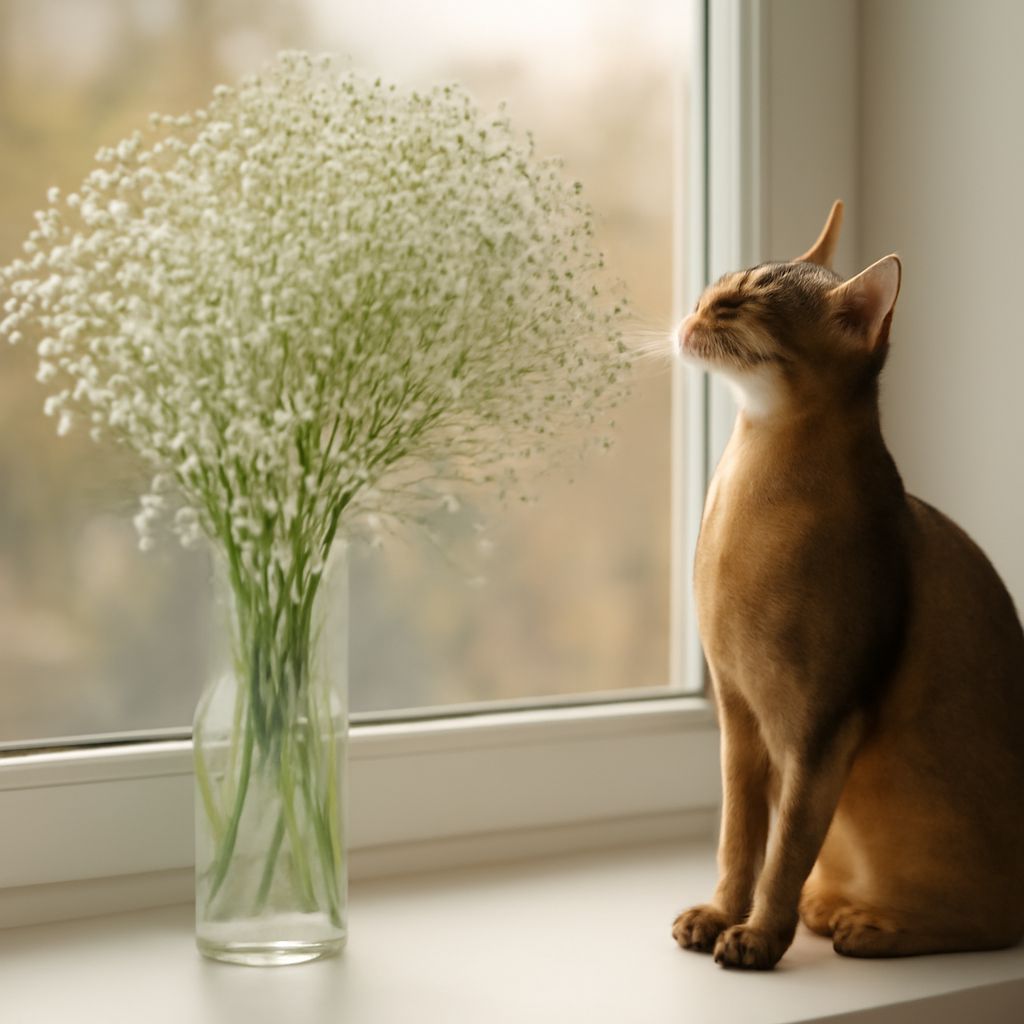
Imagine you’re curled up on the couch with your beloved feline, thinking about the many joyful years you’ve shared together. You can’t help but wonder, do cats live longer than dogs, and what secrets lie behind their longevity? Understanding cat lifespan indoor is key to grasping how your furry friend’s life expectancy might differ from their canine counterparts. Let’s dive into the intriguing world of feline longevity and explore why a cat’s life expectancy indoors might just surprise you.
Understanding Cat Lifespan Indoor
Indoor cats often enjoy a significantly longer lifespan compared to their outdoor counterparts. While outdoor cats face numerous risks such as traffic, predators, and diseases, indoor cats are sheltered from these hazards, contributing to their extended life expectancy. This controlled environment allows for better monitoring of their health and ensures a safer, longer life.
Additionally, the lifestyle of an indoor cat tends to be less stressful. They have consistent access to food, water, and shelter, which supports their general wellbeing. When considering cat lifespan, indoor living provides a stable and secure environment, which is a crucial factor in longevity.
Do Cats Live Longer Than Dogs? The Comparison
When comparing the lifespans of cats and dogs, it’s essential to understand the variations within each species. Generally, cats tend to have a longer life expectancy than dogs. While the average cat may live anywhere from 12 to 20 years, the lifespan of a dog can vary significantly based on breed, with smaller breeds typically living longer than larger ones.
One reason cats often surpass dogs in lifespan is their independent nature and the relatively manageable health issues they face. Cats are less prone to certain diseases that commonly afflict dogs and are generally more self-sufficient, reducing stress-related illnesses.
Why Do Cats Live Longer Than Dogs?
The longevity of cats can be attributed to several factors. First, their size plays a role; smaller animals tend to live longer than larger ones, and most domestic cats fall into the smaller size category compared to many dog breeds. Furthermore, cats have a lower metabolic rate and tend to conserve energy more efficiently, which may contribute to their extended lifespan.
Another reason is their genetic makeup. Cats have evolved to be stealthy hunters with heightened senses and agility, traits that have been refined over millennia. This evolutionary path has likely equipped them with robust health mechanisms, helping them live longer lives.
Factors Influencing Cat Life Expectancy Indoor
Several factors influence the life expectancy of an indoor cat. Diet is crucial, as cats require a balanced intake of nutrients to maintain health and vitality. Regular veterinary check-ups are also important, allowing for early detection and treatment of potential health issues.
Moreover, mental and physical stimulation is vital for an indoor cat’s longevity. Engaging toys, climbing structures, and interactive play help maintain a cat’s mental acuity and physical fitness, which are essential for a long and healthy life.
Tips for Maximizing Indoor Cat Life Expectancy
To maximize your indoor cat’s life expectancy, focus on providing a balanced diet suited to their age, weight, and health needs. Ensure they have regular veterinary care to catch any health concerns before they become serious issues. Encourage physical activity through play and offer mental stimulation with toys and puzzles to keep their minds sharp.
Creating a safe and enriched environment is also crucial. Provide areas for climbing, scratching posts, and cozy places to rest. These elements help reduce stress and support your cat’s overall wellbeing, contributing to a longer, happier life.
Next steps: To ensure your indoor cat lives a long and healthy life, regularly review their diet and health needs with your veterinarian and adjust as necessary. Keep their living environment engaging and give them plenty of love and attention. With these practices, your furry friend can enjoy many joyful years by your side.