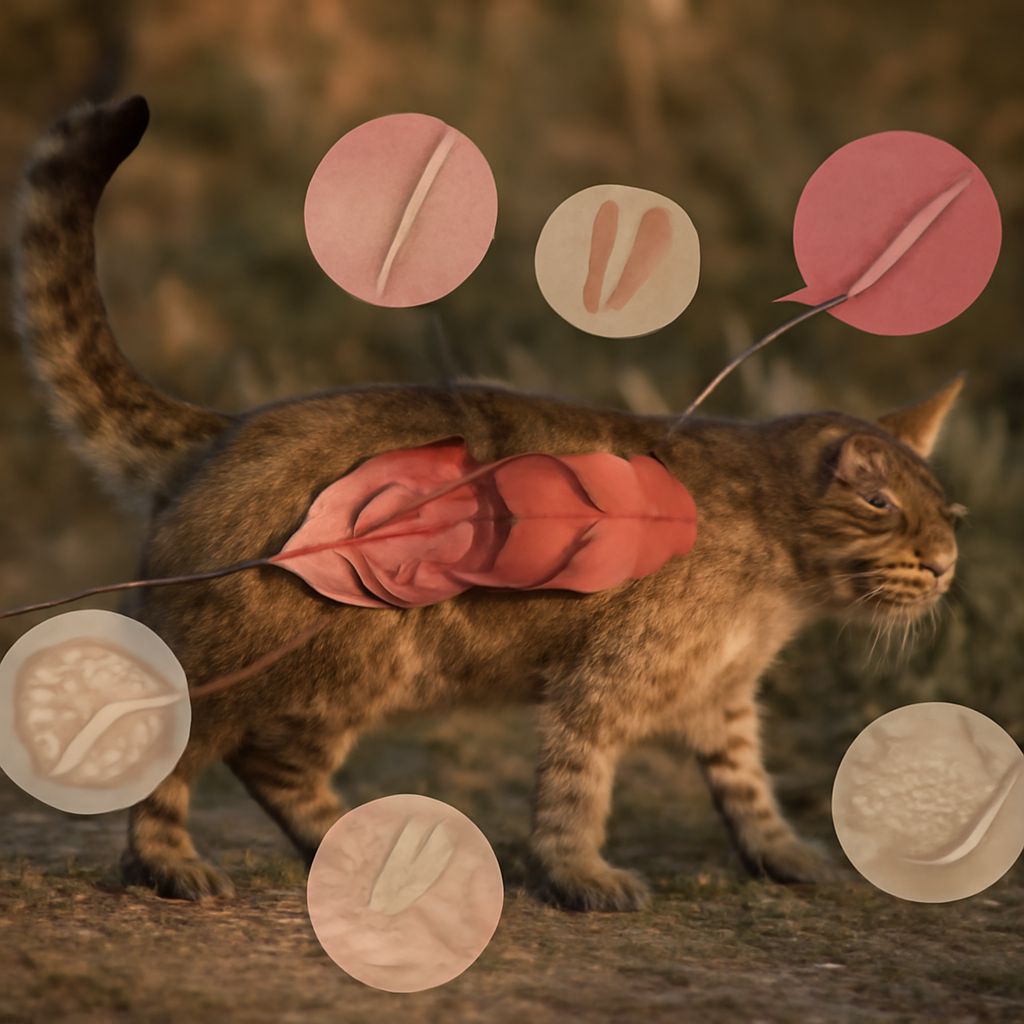
Imagine you’re relaxing on the couch with your feline companion, a warm purr vibrating through the room. Suddenly, you find yourself wondering, “Do cats get heartworms?” It’s a question many cat owners overlook, believing heartworm disease is primarily a concern for dogs. However, understanding heartworm in cats is crucial for your pet’s health. Recognizing the signs of heartworm in cats early on can prevent serious complications and ensure your cat remains a happy, healthy member of your family.
Understanding Heartworm in Cats
Heartworm in cats is a parasitic disease caused by the Dirofilaria immitis worm, transmitted through mosquito bites. While heartworms can affect both dogs and cats, the disease manifests differently in felines. Cats are not the usual hosts for heartworms, making diagnosis and treatment more challenging. However, this doesn’t lessen the potential severity of heartworm disease in cats, which can lead to respiratory issues, heart problems, and even death if left untreated.
Do Cats Get Heartworms?
Yes, cats can indeed get heartworms, even though they are less susceptible than dogs. The presence of heartworms in cats is often underestimated due to their smaller size and atypical symptoms. Cats can host adult worms, but often in smaller numbers compared to dogs. This can make detection difficult, as traditional heartworm tests are designed primarily for canines. However, the impact on a cat’s health can still be significant, stressing the importance of vigilance and regular vet check-ups.
Recognizing Heartworm Symptoms in Cats
Recognizing heartworm symptoms in cats can be tricky, as they often mimic other common feline ailments. Symptoms may include coughing, vomiting, and lethargy. In some cases, heartworm disease can lead to severe respiratory distress or sudden death. It’s crucial to note that some cats may show no symptoms until the disease is advanced. Therefore, any unusual behavior or persistent symptoms should prompt a visit to your veterinarian for a thorough evaluation.
Signs of Heartworm in Cats: What to Watch For
When monitoring your cat for potential heartworm infection, watch for specific signs such as persistent coughing or difficulty breathing. Other indicators might include decreased appetite, weight loss, or general malaise. Since symptoms can vary widely, they’re often mistaken for other conditions such as asthma or gastrointestinal issues. Keeping a close eye on your feline friend and maintaining open communication with your vet can aid in early detection and improve outcomes.
Preventing Heartworm in Cats
Prevention is the best strategy when it comes to heartworms in cats. Several preventive medications are available, designed to be administered monthly. These medications can significantly reduce the risk of heartworm transmission. Regular veterinary visits play a crucial role, allowing for tailored advice based on your cat’s lifestyle and risk factors. Additionally, minimizing exposure to mosquitoes through environmental controls and indoor living can further decrease the risk of infection.
Safety Recap: Regular use of preventive medications and routine vet check-ups are key to safeguarding your cat’s health from heartworm disease. Always follow your vet’s recommendations to ensure both safety and efficacy in prevention strategies.