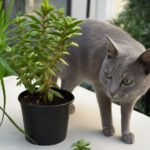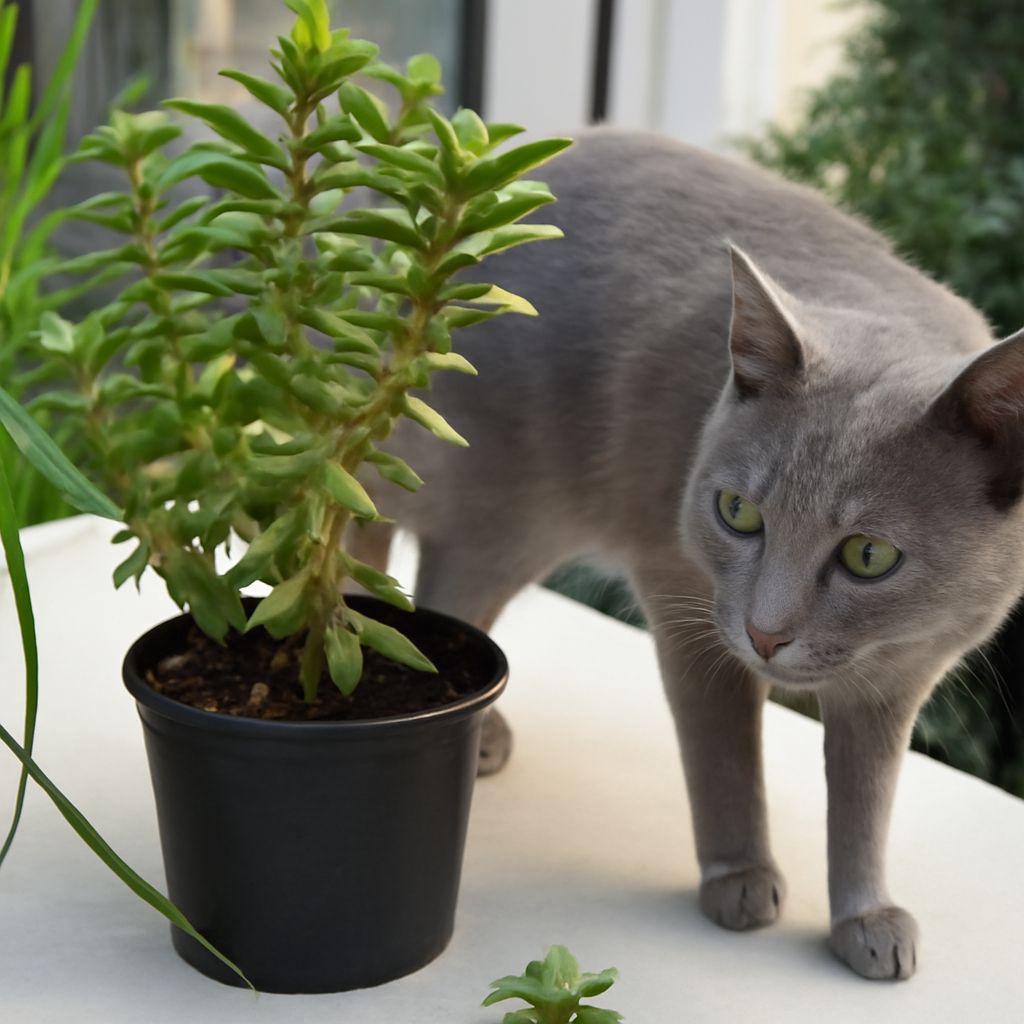
Imagine you’re at home, sipping tea with your cat purring contentedly by your side. You admire the lush, green foliage of your beloved money tree, its leaves catching the light beautifully. As you consider whether the money tree is safe for cats, your feline friend playfully swats at its leaves. Your heart skips a beat, and you wonder, “Are money trees poisonous to cats?” Understanding the potential risks is crucial for a pet owner’s peace of mind and the safety of their furry friends.
Understanding the Money Tree Plant
The money tree, scientifically known as Pachira aquatica, is a popular houseplant due to its ease of care and attractive braided trunk. It is often associated with good luck and prosperity, which makes it a frequent choice for both homes and offices. The plant thrives in indirect sunlight and requires minimal watering, making it an ideal choice for those without a green thumb.
While it is aesthetically pleasing, the question of whether the money tree is safe for cats often arises. Many pet owners seek houseplants that complement their décor without posing a threat to their pets. Understanding the characteristics of the money tree helps in making informed decisions about its placement within a home shared with animals.
Is the Money Tree Toxic to Cats?
The concern about whether money trees are poisonous to cats is common among pet owners. According to the ASPCA, the money tree is generally considered non-toxic to cats. However, it is essential to note that while the plant itself is not directly harmful, any plant material ingested by a curious cat can potentially lead to digestive upset.
Even non-toxic plants can cause mild symptoms if a cat consumes them in large quantities. Therefore, while the money tree is not inherently dangerous, pet owners should still monitor their cats’ interactions with the plant to prevent any possible issues.
Symptoms of Money Tree Poisoning in Cats
While serious poisoning is unlikely due to the money tree’s non-toxic nature, cats may exhibit mild symptoms if they ingest the plant. These can include vomiting, diarrhea, or mild stomach upset. Typically, these symptoms are temporary and resolve on their own without the need for medical intervention.
If a cat shows persistent symptoms or if you suspect they have ingested a large amount of the plant, consulting a veterinarian is advisable. Veterinary professionals can provide guidance on managing any adverse reactions and ensure the health and safety of your pet.
Keeping Cats Safe Around Money Trees
Even though money trees are not toxic to cats, taking a few precautionary measures can ensure your pet stays safe. Position the plant out of reach of your cat, perhaps on a high shelf or in a room your pet does not frequent. Training your cat to avoid certain areas can also be beneficial.
Additionally, providing your cat with alternative stimuli, such as interactive toys and scratching posts, can divert their attention from your plants. Regularly observing your cat’s behavior around houseplants helps in identifying any potential issues early on.
Alternatives to Money Trees for Cat Owners
If you are concerned about any possible risk or simply wish to explore other options, numerous cat-friendly plants can enhance your home’s aesthetic without worry. Cat grass, for instance, provides a safe and stimulating option for your feline friend.
Spider plants, Boston ferns, and certain palms are also known to be non-toxic to cats and can be excellent alternatives to money trees. Incorporating these plants into your home not only maintains a safe environment but also contributes to the well-being and happiness of your pets.
Choosing the right plant for your home involves considering both aesthetics and safety. By opting for plants that are both attractive and non-toxic, you can create a harmonious space for both you and your feline companion.
Key takeaways: While money trees are generally considered non-toxic to cats, ingesting the plant may cause mild digestive upset. It’s essential to monitor your pet’s interactions with houseplants and consider alternatives if necessary. Always consult a veterinarian if in doubt about your pet’s health.