You’ve probably noticed that your cat ignores the fresh water bowl you’ve set out but enthusiastically drinks from a dripping faucet. So — do cats like water? The relationship between felines and water is genuinely complicated and deeply rooted in their evolutionary history. Understanding it helps you keep your cat properly hydrated even if they seem indifferent to their water bowl.
Knowing how much water should cats drink daily is one of the most practical things a cat owner can learn, because chronic mild dehydration is a major contributor to kidney disease and urinary problems — the leading health concerns in domestic cats. The relationship between cats and water intake changes based on diet, age, and individual preference. Whether you’re wondering how much water do cats drink under normal circumstances or trying to figure out exactly how much water does a cat need based on body weight, this guide covers it all.
Do Cats Like Water? Understanding Feline Hydration Instincts
The answer to whether cats like water is nuanced — most cats are indifferent to drinking it, actively prefer moving water over still water, and have evolved to obtain most of their hydration from food rather than free-standing water sources.
Why Cats Evolved as Low-Water Drinkers Domestic cats descended from desert-dwelling African wildcats (Felis silvestris lybica), which obtained the majority of their hydration from prey — typically small rodents with 70–80% water content. This evolutionary history means cats have a relatively low thirst drive and may not seek out water proactively even when mildly dehydrated. Their kidneys evolved to concentrate urine efficiently as a water conservation mechanism — an adaptation that also makes them susceptible to kidney disease over time when chronically underhydrated.
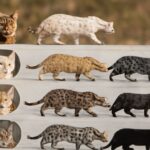
Cats That Like Water: Breed and Individual Exceptions While most domestic cats prefer to avoid water, individual variation is significant. Some cats actively enjoy playing with water, splashing in their bowls, or joining their owners in the bathroom. Certain breeds are notably more water-tolerant or water-enthusiastic: Maine Coons, Norwegian Forest Cats, Turkish Vans, and Bengals are among the breeds most likely to show active interest in water. The Turkish Van in particular is sometimes called the “swimming cat” for its unusual affinity for water.
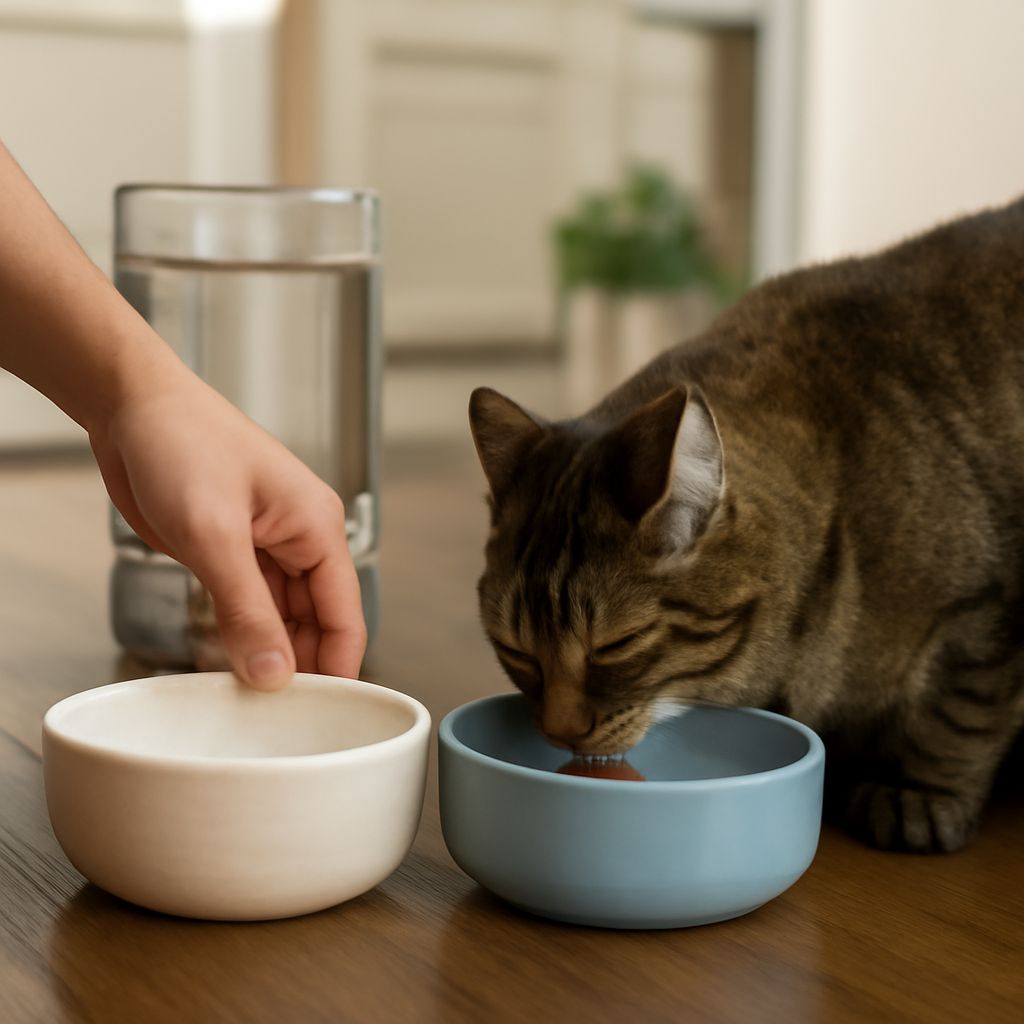
Running Water vs. Still Water: Why Cats Prefer Movement Many cats ignore still water bowls while drinking enthusiastically from a dripping tap. This preference is thought to relate to both instinct (moving water in nature is typically fresher and safer than stagnant pools) and sensory preference (the sound and movement of running water is more stimulating). This behavioral quirk has driven the enormous popularity of cat water fountains, which provide continuous circulation.
How Much Water Should Cats Drink?
There are clear guidelines for daily feline water intake, though actual intake varies significantly based on diet composition.
Daily Water Requirements by Body Weight A general guideline is that cats require approximately 3.5–4.5 ounces (100–130 ml) of water per 5 pounds of body weight per day from all sources combined. A 10-pound cat therefore needs roughly 7–9 ounces of water daily. This sounds like a modest amount, but it includes water from food — which dramatically changes how much a cat needs to drink separately depending on what they eat.
How Food Type Affects Daily Water Intake
This is the most important variable in feline hydration. Wet food contains approximately 70–80% water by weight, meaning a cat eating exclusively wet food may meet most or all of its daily water needs through food alone with minimal drinking. Dry kibble contains only about 10% water — meaning a kibble-fed cat must consume significantly more water from its bowl to stay hydrated. Cats fed dry food exclusively are chronically mildly dehydrated compared to wet-fed cats, which directly correlates with higher rates of urinary and kidney disease in kibble-fed populations.
Signs Your Cat May Not Be Drinking Enough
Indicators of insufficient water intake include: dark yellow or concentrated-smelling urine, infrequent urination, dry or tacky gums, lethargy, and reduced skin elasticity (the “skin tent” test — gently pinching the skin at the scruff; slow return to position indicates dehydration). Cats with kidney disease, diabetes, or hyperthyroidism may need increased water intake and should be monitored closely.
Encouraging Your Cat to Drink More Water
Most cat owners can meaningfully improve their cat’s hydration through simple environmental and dietary adjustments.
Water Fountain Benefits for Feline Hydration
Cat water fountains reliably increase water intake in most cats compared to still water bowls. The circulation keeps water fresher, the movement attracts cats’ attention, and the flow mimics the running water cats instinctively prefer. Choose a fountain with replaceable filters for cleanliness. Place it away from the food bowl — cats instinctively avoid drinking near their food source in nature (where prey carcasses can contaminate water).
Food and Supplemental Water Strategies
The most impactful change you can make is switching from dry to wet food, or at minimum supplementing dry food with wet meals. Adding a small amount of water or low-sodium broth to wet food increases fluid intake further. Offer multiple water bowls in different locations — cats prefer variety and may drink more when water is available throughout their territory.
When Low Water Intake Becomes a Veterinary Concern
A sudden decrease in drinking — especially when accompanied by other symptoms — requires veterinary evaluation. Kidney disease, diabetes, and hyperthyroidism can all alter drinking patterns. Annual wellness bloodwork for cats over 7 years includes kidney function panels that can identify early changes before they become clinically apparent.