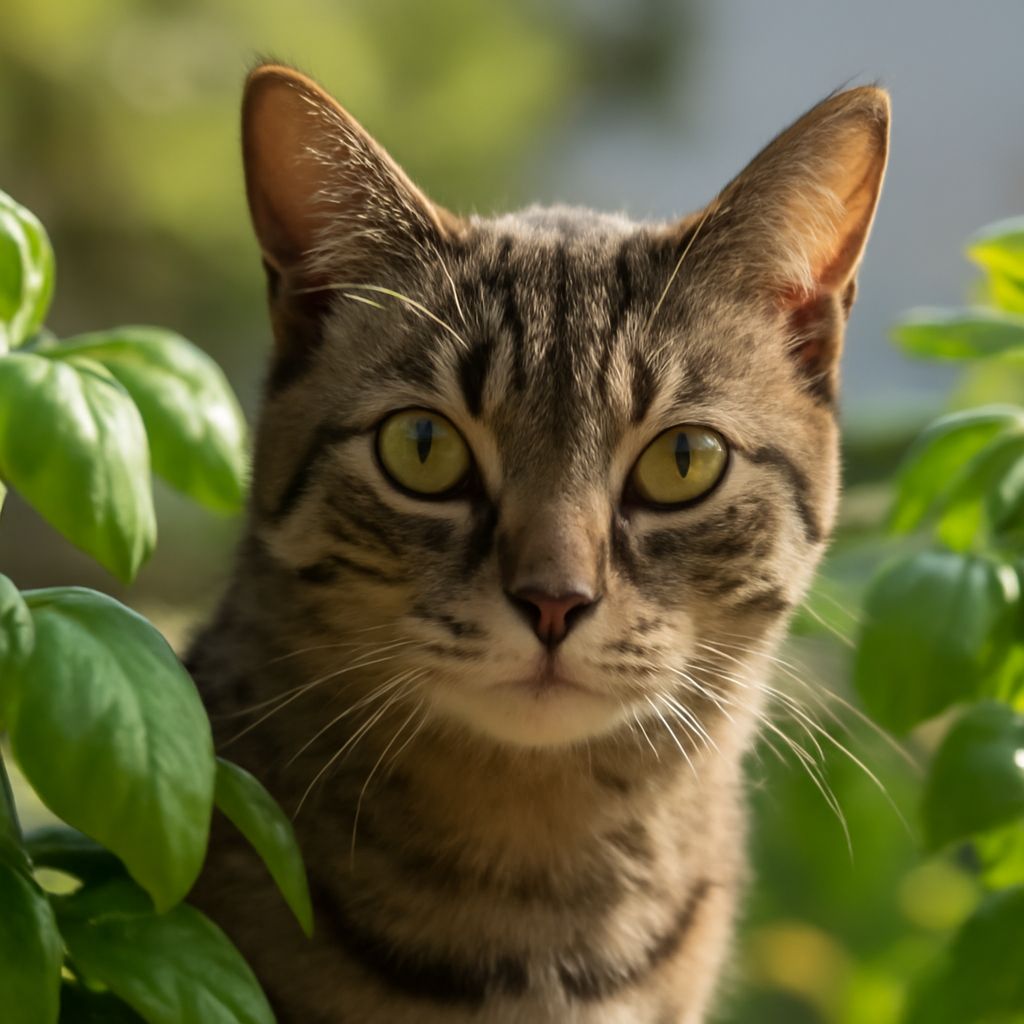
Picture this: It’s a sunny afternoon, you’re in the kitchen preparing a fresh basil pesto, and your curious cat is weaving through your legs, trying to get a taste of the delightful aroma. You start to wonder, “Is basil safe for cats?” As a loving pet owner, you’re eager to ensure that your furry friend enjoys not just a tasty treat, but also a safe one. Understanding which herbs are safe for your cat can help you make informed decisions about their diet, ensuring their health and happiness.
As you ponder these thoughts, you realize it’s not just about basil and cats; it’s about exploring a variety of herbs that could complement your cat’s diet. From mint to parsley, you begin to wonder about the nutritional benefits and potential risks of these herbs. Your journey to discover herbs safe for cats starts here.
Understanding Basil and Its Impact on Cats
What Is Basil?
Basil is a fragrant herb commonly used in cooking, known for its sweet and slightly spicy flavor. It’s a staple in many cuisines, especially Italian, where it is often used fresh or dried. Basil contains essential oils, vitamins, and antioxidants, making it not only a culinary delight but also a potential source of nutritional benefits.
Is Basil Safe for Cats?
When it comes to basil and cats, the good news is that basil is generally safe for feline consumption. Unlike some other plants, basil does not contain harmful toxins that can adversely affect cats. However, moderation is key, as too much basil can lead to digestive upset. While basil is safe, it’s always wise to introduce it gradually into your cat’s diet.
Nutritional Benefits of Basil for Cats
Basil offers some nutritional benefits that can be advantageous for your cat. It contains antioxidants, which support immune health and reduce inflammation. Additionally, basil has essential oils that may have mild antimicrobial properties. While these benefits are promising, they should not replace a balanced diet designed specifically for cats.
Potential Risks of Basil for Cats
Although basil is non-toxic, excessive consumption can lead to gastrointestinal issues such as vomiting or diarrhea. Cats have sensitive stomachs, and introducing any new food can cause temporary digestive discomfort. To mitigate risks, it is crucial to monitor how your cat reacts when you offer them basil.
Other Herbs Safe for Cats
List of Safe Herbs for Cats
Beyond basil, there are several herbs that are safe for your feline friends, such as catnip, mint, and parsley. These herbs not only provide variety in your cat’s diet but also offer distinct benefits. For instance, catnip is known for its euphoric effect on cats, while parsley can aid in digestion and freshen breath.
How to Introduce Herbs to Your Cat
When introducing new herbs to your cat, start with small amounts to observe their reaction. Sprinkle a pinch of dried herbs over their food or offer a fresh leaf as a treat. Gradual introduction allows you to assess their preference and tolerance, ensuring they enjoy the addition without adverse effects.
Monitoring Your Cat’s Reaction to Herbs
After offering herbs, watch for any signs of distress or allergic reactions, such as scratching, swelling, or gastrointestinal upset. If your cat shows any negative symptoms, discontinue the herb immediately. Regular monitoring is key to ensuring that the new addition is both safe and enjoyable for your pet.
Practical Tips for Feeding Basil to Cats
How Much Basil Can Cats Eat?
When it comes to feeding basil, moderation is crucial. A leaf or two occasionally as a treat is sufficient. Basil should never replace a complete and balanced diet formulated for cats. Ensuring the portion size is small helps prevent any digestive issues.
Signs Your Cat Enjoys Basil
Observing your cat’s behavior can give you clues about their preferences. If your cat eagerly sniffs, licks, or nibbles the basil, these are good signs they enjoy it. On the other hand, if they walk away or show disinterest, it might not be to their liking.
Alternatives to Basil for Cats
If your cat isn’t fond of basil, consider other feline-friendly herbs like catnip, which many cats find irresistible. Mint and thyme are also good options, offering a different flavor profile and set of benefits. Exploring various herbs can add excitement to your cat’s diet.
Bottom line: While basil is safe for cats in moderation, it’s important to observe your pet’s reaction when introducing any new herb. A variety of herbs can enhance your cat’s diet, but always prioritize their health and consult with a veterinarian for personalized advice.