Imagine this: You notice something unusual about your feline friend. It’s been 2 days, and your cat hasn’t pooped. Naturally, you begin to worry. You think back and realize that it might even be closer to 3 days since your cat last visited the litter box. Panic sets in as you wonder why your cat isn’t pooping and what could possibly be wrong. Understanding the underlying causes and knowing how to respond can help ease your mind and get your beloved pet back to its regular bathroom habits.
In this article, we’ll explore the common reasons why this issue might occur, as well as practical steps you can take if your cat hasn’t pooped in 3 days. By the end, you will have a clearer understanding of how to monitor your cat’s bathroom habits and ensure their health and well-being.
Understanding Why Cat Hasn’t Pooped in 2 Days Happens
Common Reasons for Constipation
When a cat hasn’t pooped in 2 days, it’s usually a sign of constipation. Various factors can contribute, such as dehydration, which makes stools harder and difficult to pass. Cats that aren’t drinking enough water, especially those on dry food diets, are more susceptible. Stress and changes in their environment can also lead to irregular bowel movements.
Health Issues That Cause Irregular Bowel Movements
Several health conditions can cause a cat not to poop regularly. For instance, intestinal blockages, often from ingesting foreign objects, can prevent normal defecation. An underlying health issue like inflammatory bowel disease or hypothyroidism could also be a reason for your cat’s bathroom troubles. Identifying these health issues early is essential for effective treatment.
Dietary Factors Affecting Bowel Movements
Your cat’s diet plays a significant role in its overall intestinal health. A lack of fiber can lead to constipation, as fiber helps to keep the digestive system moving. Additionally, sudden changes in diet can disrupt their gastrointestinal balance, causing your cat to abstain from pooping. Ensure your pet’s food is well-balanced and contains sufficient fiber to promote healthy digestion.
Steps to Take if My Cat Hasn’t Pooped in 3 Days Occurs
When to Call the Vet
If your cat hasn’t pooped in 3 days, it’s time to consult a veterinarian. Persistent constipation can lead to more severe health problems. The vet may need to perform tests to rule out more serious conditions and suggest appropriate treatment options, such as medications to stimulate bowel movements or manual removal of impacted stools.
Home Remedies for Cat Constipation
Before heading to the vet, some home remedies might help stimulate your cat’s bowel movements. Increasing their water intake is crucial; consider adding water to their food or using a pet fountain. Additionally, try feeding your cat a diet rich in fiber or include pumpkin puree, which can aid in digestion. Gentle abdominal massages may also encourage movement in their digestive tract.
Preventive Tips to Avoid Future Constipation
Preventing constipation involves consistent care of your cat’s diet and environment. Ensure they have a balanced diet with enough fiber, maintain regular feeding schedules, and provide fresh water at all times. Regular exercise is also important, as it helps stimulate their digestive system. Keeping a stress-free environment will further promote regular bowel movements.
How to Monitor Your Cat’s Bathroom Habits
Signs Your Cat’s Bathroom Habits Need Attention
Being observant of your cat’s behavior can alert you to potential problems. Look for signs such as straining in the litter box, vocalizing in discomfort, or avoiding the litter box entirely. These behaviors might indicate constipation or other underlying issues requiring attention.
Using Litter Box Insights for Cat Constipation
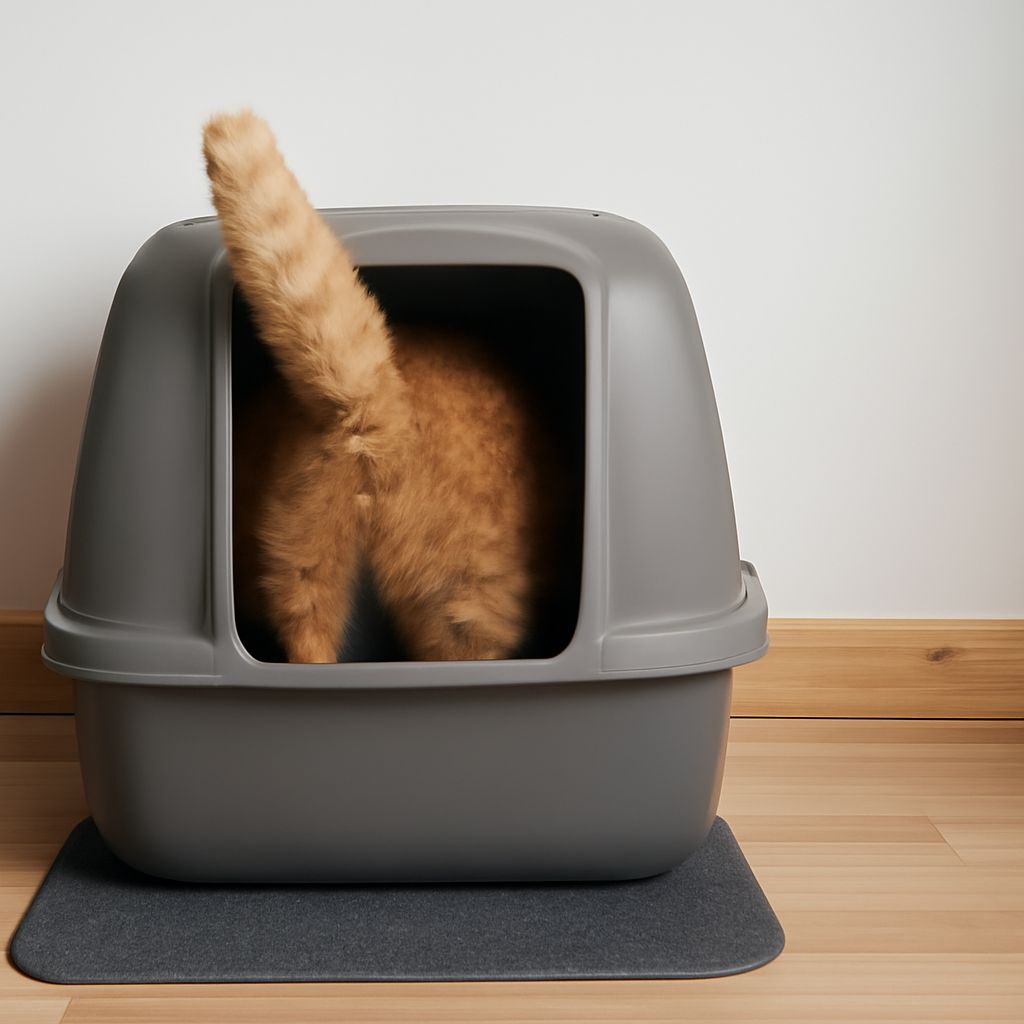
Paying attention to your cat’s litter box habits can offer valuable insights into their health. Regularly check the litter box for changes in frequency and consistency of stools. Cats that bury their waste may require closer inspection. Keeping a log of their bathroom habits can help identify patterns, making it easier to communicate concerns with your veterinarian.
Next steps: Regular monitoring and maintaining a balanced diet are crucial to preventing constipation in your cat. Keep a watchful eye on their habits and ensure they have access to plenty of water. If problems persist, consult your vet to explore further diagnostic tests and treatments. By taking proactive measures, you can help your cat maintain regular and healthy bathroom habits.