Imagine you’re sitting on your favorite chair, a warm cup of tea in hand, watching your kitten play energetically with a bundle of yarn. As the playful creature bounds around, you notice something small and white on the carpet. Upon closer inspection, you realize it’s a tiny tooth. Just like that, you’re faced with questions about whether cats lose baby teeth and how their dental journey unfolds. As your kitten grows, understanding feline dentition becomes essential, not just for their comfort but also for their overall health.
Much like human babies, kittens go through a teething process that replaces their deciduous teeth with adult ones. This moment marks the beginning of adulthood for your furry friend, and staying informed about the teething timeline can help you provide better care and make the transition smoother for them. So, do cats teeth as they mature, and what should you expect during this developmental phase?
Understanding Feline Tooth Development
When Do Cats Lose Baby Teeth?
Kittens, much like humans, are born without teeth. The journey of feline tooth development begins at around two to three weeks old when they start growing their initial set of teeth. These are known as baby teeth or deciduous teeth. Typically, kittens lose their baby teeth between three and six months of age. The process of shedding these teeth and the eruption of adult cat teeth is a natural phase of growth.
The Timeline of Kitten Teething
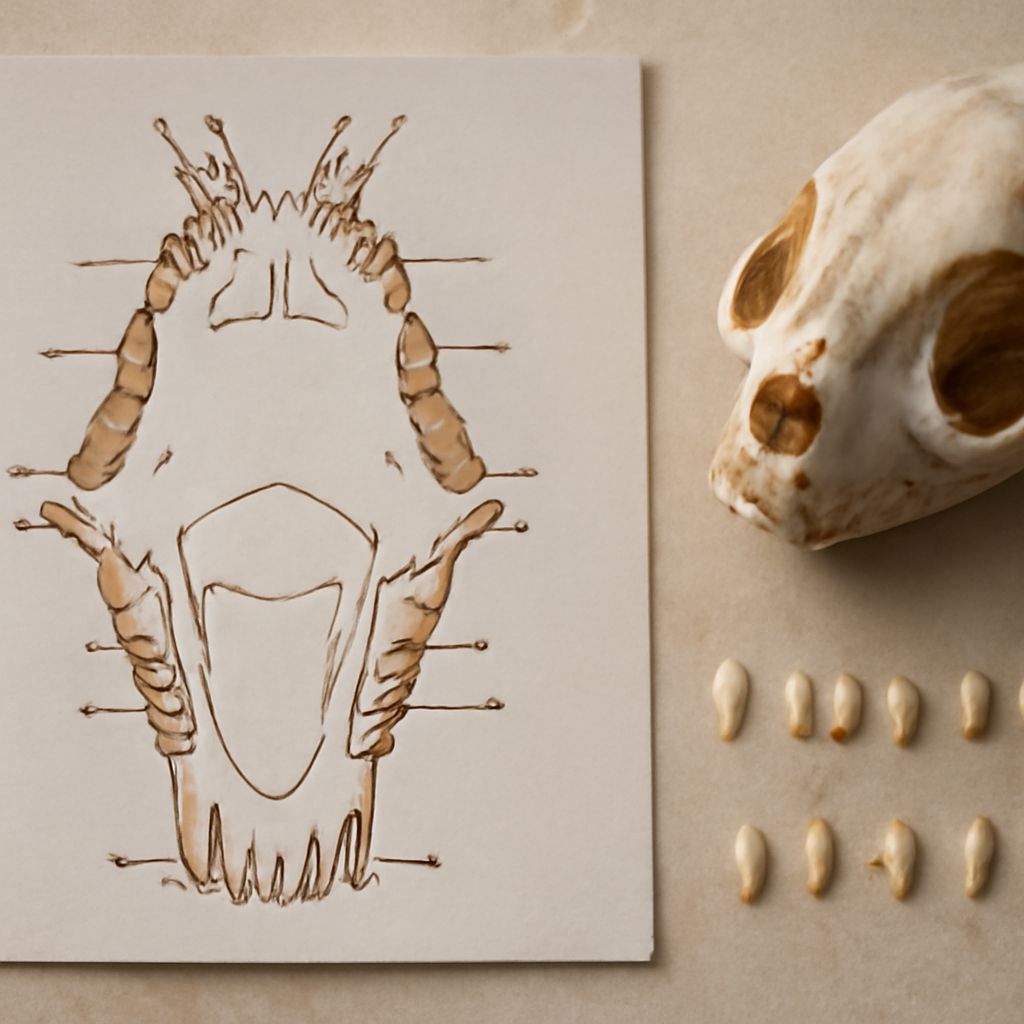
Teething in kittens follows a somewhat predictable pattern. At about three weeks, the incisors begin to emerge. By four weeks, the canines follow, and by six weeks, the premolars start appearing. The loss of baby teeth typically begins around three months, as the adult teeth start pushing through. By six months, most kittens have transitioned completely to adult cat teeth.
Signs of Teething in Kittens
As your kitten progresses through the teething stage, you might notice certain behaviors. Teething kittens often chew more vigorously on toys or other objects as a way to relieve discomfort. You may spot drooling or notice a kitten’s reluctance to eat hard food. Occasionally, a dropped tooth will be found, signaling the shedding of baby teeth. These signs are normal and typically subside as the adult teeth fully emerge.
The Transition to Adult Cat Teeth
Once kittens lose their baby teeth, they develop a set of strong adult teeth designed to last a lifetime. Adult cat teeth are more robust and better suited for the dietary needs of a mature cat. This phase signifies not just physical maturity but an important milestone in feline health, where regular dental care becomes crucial.
Common Questions About Cat Dentition
Do Cats Teethe Like Humans?
While cats do experience a teething process, it differs from human teething. Kittens lose their deciduous teeth and grow adult ones but typically endure less discomfort than human infants. The process occurs relatively quickly, and while there may be some irritation, kittens generally manage without significant distress.
Differences Between Kitten and Adult Cat Teeth
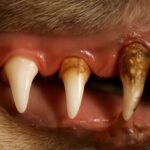
Kitten teeth are small and sharp, designed for a diet that includes milk and soft foods. As they mature, adult cat teeth become larger and stronger, enabling them to eat a more varied diet, including kibble. The primary differences lie in the structure and durability of the teeth as they adapt to the needs of an adult cat.
How to Care for Your Cat’s Teeth
To ensure your cat maintains good dental health, regular care is essential. Start by introducing dental-friendly toys that help massage gums and clean teeth. Incorporating dental treats or chews can aid in reducing plaque buildup. Regular brushing with cat-specific toothpaste is recommended, along with professional dental cleanings as advised by your veterinarian.
Maintaining Your Cat’s Dental Health
Importance of Regular Dental Checkups
Routine dental checkups play a vital role in preventing oral health issues. During these visits, your veterinarian can identify potential problems such as tartar build-up or gingivitis early. Early detection allows for timely interventions, ensuring your cat enjoys a pain-free and healthy life.
Tips for Cleaning Your Cat’s Teeth
Cleaning your cat’s teeth might seem challenging, but with patience, it can become a part of your routine. Use a cat-specific toothbrush and toothpaste to gently brush their teeth, focusing on both the outer and inner surfaces. Regular brushing helps in maintaining oral hygiene and preventing dental diseases.
Preventing Dental Issues in Cats
Prevention is key to managing dental health in cats. Provide a balanced diet that supports dental health, and offer toys that promote chewing. Avoid sugary treats that can lead to tooth decay. Establishing a consistent dental care routine can significantly reduce the risk of dental problems.
Bottom line: Cats do lose baby teeth as they grow, and understanding this process helps ensure their dental health stays on track. By providing appropriate care and regular checkups, you can support your feline friend through their teething phase and beyond, ensuring they maintain strong and healthy adult cat teeth for years to come.