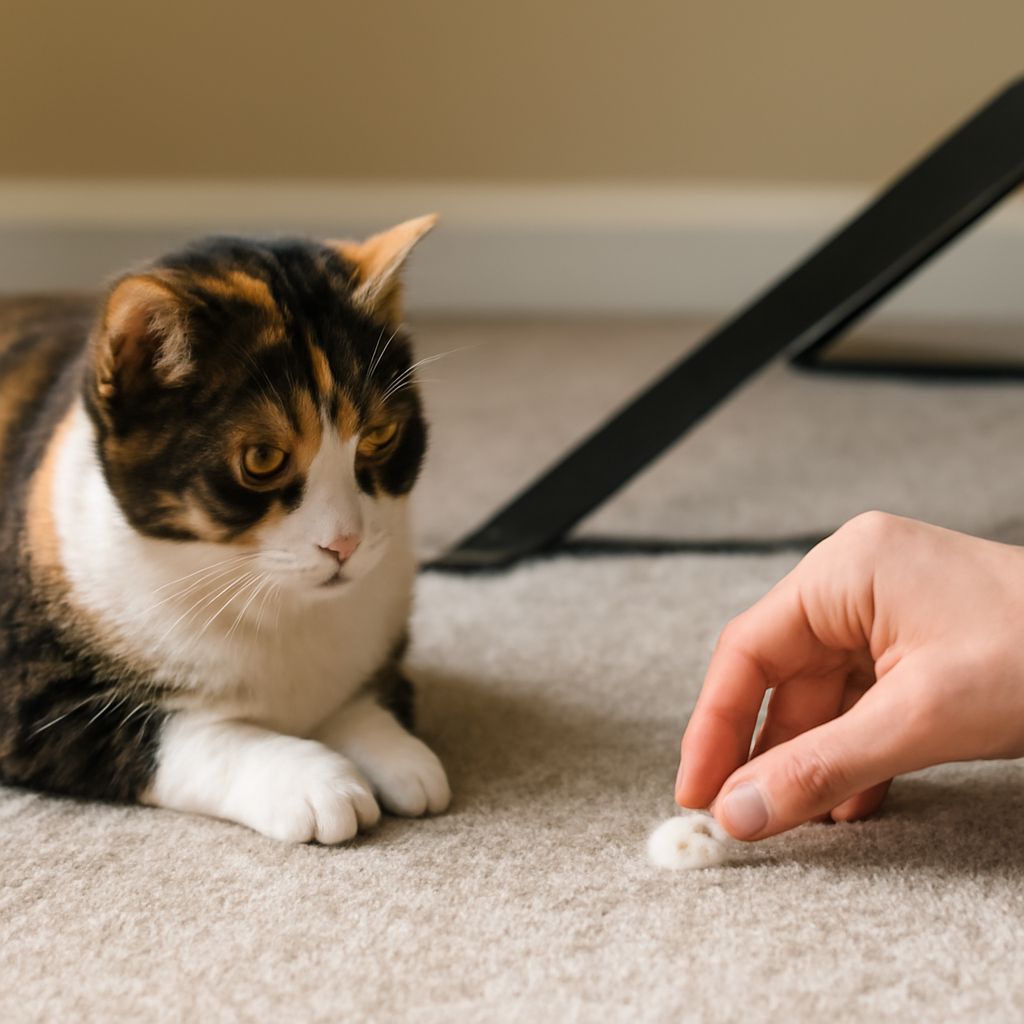
Imagine this: you’re sipping your morning coffee when you suddenly hear the unmistakable sound of your cat throwing up brown liquid on the kitchen floor. Panic sets in as you wonder what could be causing your cat to regurgitate undigested food so frequently. Could it be something they ate, or is there a deeper medical issue at hand? Understanding the reasons behind cat vomiting brown liquid can be crucial in providing the right care for your feline companion. As you search for answers, remember that identifying symptoms and suitable treatment options can make all the difference.
Common Causes of Cat Regurgitation
Diet and Feeding Habits
One of the primary factors contributing to cat regurgitation is diet and feeding habits. Cats may regurgitate if they consume food too quickly or ingest items that aren’t part of their regular diet. This act of throwing up light brown liquid may indicate that your cat’s stomach is struggling to process certain foods. Switching to easily digestible meals or implementing slow feeding techniques can help mitigate these dietary issues.
Medical Conditions
Beyond dietary habits, various medical conditions can lead to regurgitation in cats. Gastrointestinal problems or infections may cause your cat to vomit brown liquid. Additionally, conditions such as liver disease or pancreatitis can result in frequent vomiting. Monitoring your cat’s behavior and consulting with a veterinarian can provide insights into any underlying health issues.
Symptoms and Diagnosis of Brown Liquid Vomiting
Identifying Vomit Color and Texture
Understanding what your cat’s vomit looks like can be critical in diagnosing the issue. The light brown liquid often seen during regurgitation may range in consistency from watery to foamy. Identifying the color and texture of your cat’s vomit can offer clues into their digestive health and help in determining potential causes.
Diagnostic Tests
If your cat continues to vomit brown liquid, a veterinarian may recommend diagnostic tests to uncover the root cause. Blood work, X-rays, and ultrasound are some tools used to evaluate your cat’s internal health. These tests can help identify any gastrointestinal obstructions or infections that may be responsible for your cat’s symptoms.
Treatment and Prevention Strategies
Dietary Adjustments
Addressing dietary causes of regurgitation often involves modifying what and how your cat eats. Feeding smaller, more frequent meals or introducing high-quality, easily digestible food can help reduce instances of vomiting. Consider using puzzle feeders to slow down your cat’s eating speed, minimizing the risk of them throwing up.
Veterinary Care Options
When dietary changes aren’t enough, veterinary care becomes essential. A vet might prescribe medications to manage nausea or dietary supplements to support digestive health. Regular check-ups can also help catch any emerging health issues early, ensuring your cat remains in peak condition.
When to Consult a Veterinarian
Signs of Serious Health Issues
While occasional regurgitation can be normal, persistent vomiting may signal serious health problems. Symptoms such as lethargy, weight loss, or blood in the vomit necessitate immediate veterinary attention. Understanding these signs can help you provide timely care for your feline friend.
Preparing for the Vet Visit
Before visiting the vet, gather information on your cat’s recent diet, behavior, and any symptoms observed. This preparation can facilitate a more accurate diagnosis and streamline the consultation process. Being proactive in collecting these details can make all the difference in your cat’s treatment plan.
Key takeaways: Cat regurgitation can result from dietary habits or underlying medical conditions. Identifying symptoms and seeking timely veterinary advice are crucial in managing your cat’s health. Regular monitoring and appropriate dietary adjustments can prevent regurgitation and ensure your cat’s well-being.