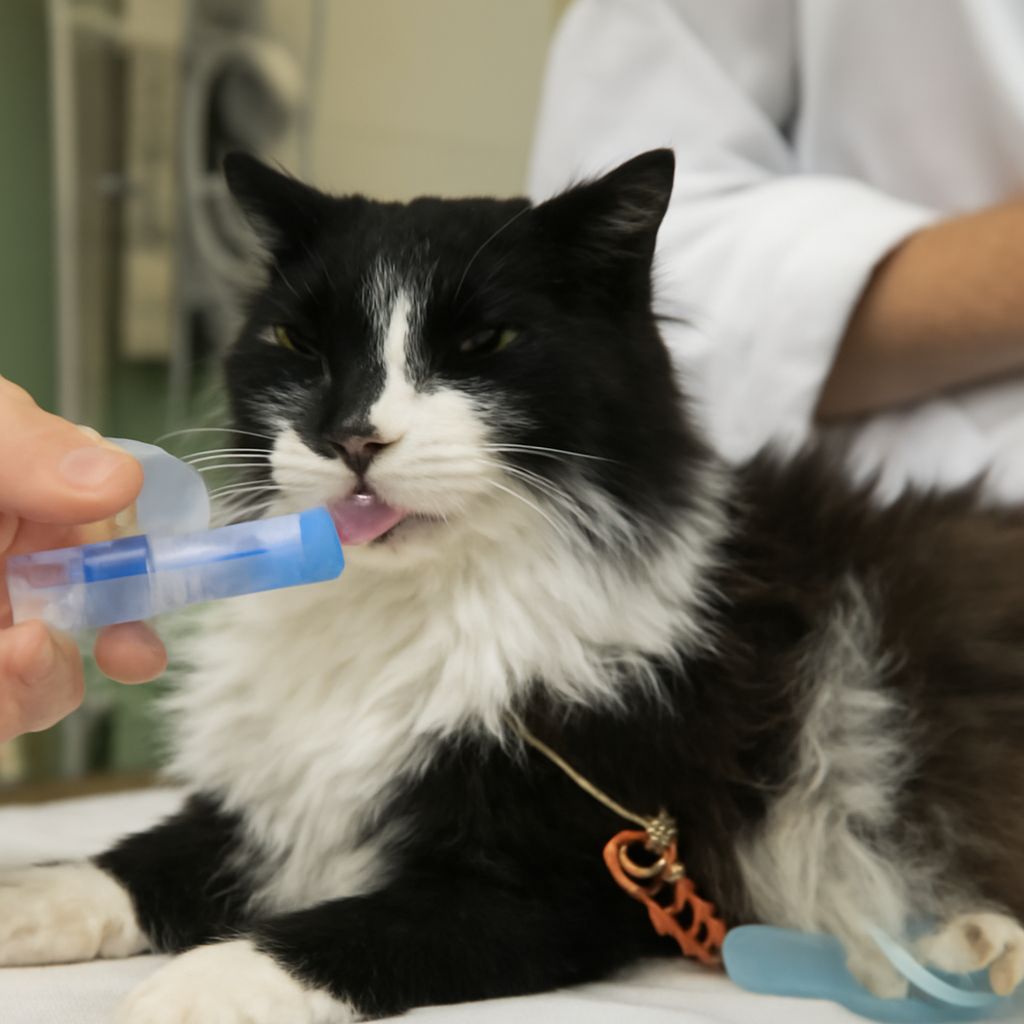
You notice your beloved feline friend, Whiskers, is making unusual noises. “Why is my cat wheezing?” you wonder, as the sound of her labored breathing fills the room. Cat wheezing when breathing is unsettling, and you quickly realize that understanding the potential causes is crucial to ensuring her well-being. Whether it’s a simple cold or something more complex, knowing how to address cat respiratory issues can make all the difference.
Common Causes of Wheezing in Cats
Allergies and Environmental Factors
Environmental factors such as dust, pollen, and smoke can trigger allergic reactions, leading to wheezing in cats. A change in the household environment, like introducing new cleaning products or bringing in plants that produce pollen, can exacerbate respiratory problems. Identifying and minimizing these allergens may prevent wheezing episodes.
Respiratory Infections
Respiratory infections, including feline viral rhinotracheitis and feline calicivirus, can cause significant respiratory difficulties. These infections often lead to symptoms such as sneezing, discharge from the eyes or nose, and wheezing. Prompt veterinary care is essential to manage these conditions effectively and to prevent complications.
Asthma in Cats
Asthma, a chronic condition that affects the airways of cats, can result in wheezing, coughing, and difficulty breathing. Asthmatic cats may experience episodes triggered by stress, allergens, or changes in weather. Understanding your cat’s asthma triggers and working with a veterinarian can help manage the symptoms.
Foreign Bodies in Airways
If your cat has inhaled a small object, it may become lodged in the airways, causing wheezing and distress. This is a serious situation that requires immediate veterinary attention to ensure the object is safely removed and to prevent further respiratory issues.
Diagnosing Wheezing in Cats
Veterinary Examination
A thorough veterinary examination is vital for diagnosing the cause of your cat’s wheezing. The vet will assess your cat’s overall health, listen to her lungs, and check for any signs of distress. Providing a detailed history of your cat’s symptoms can aid in the diagnosis.
Diagnostic Tests
Diagnostic tests such as X-rays, blood tests, or even a specialized bronchoscopy may be necessary to determine the root cause of the wheezing. These tests help identify underlying conditions like infections, asthma, or foreign objects in the airways.
Observing Symptoms
Monitoring your cat’s symptoms is crucial for providing information to your veterinarian. Take note of when the wheezing occurs, any accompanying behaviors like coughing or sneezing, and any potential triggers you’ve observed. This information can be invaluable for diagnosis and treatment.
Treating Cat Wheezing
Medications and Therapies
Treatment often involves medications such as corticosteroids or bronchodilators to reduce inflammation and open up the airways. Antibiotics may be prescribed if an infection is present. In some cases, oxygen therapy may be necessary to help your cat breathe comfortably.
Environmental Adjustments
Making adjustments to your cat’s environment, such as using air purifiers, ensuring proper ventilation, and eliminating known allergens, can significantly improve respiratory health. Regular cleaning and dusting can also help reduce airborne irritants.
Preventive Measures
Preventive measures, including regular veterinary check-ups and vaccinations, can help keep respiratory conditions at bay. Ensuring your cat maintains a healthy weight and minimizing stress can also support overall respiratory health.
When to Visit a Veterinarian
Signs of Severe Respiratory Distress
If your cat is experiencing severe respiratory distress, such as open-mouth breathing, blue-tinged gums, or extreme lethargy, seek immediate veterinary care. These symptoms indicate a serious condition that requires urgent attention.
Chronic Wheezing Concerns
Chronic wheezing or frequent respiratory episodes warrant a veterinary visit to rule out underlying conditions like asthma or chronic infections. Early intervention can improve outcomes and enhance your cat’s quality of life.
Safety Recap: If you’re using tools like air purifiers or making significant changes to your cat’s environment, ensure that these adjustments are safe and appropriate for your feline friend. Always consult your veterinarian before administering any treatments or making drastic changes to your cat’s care routine.