
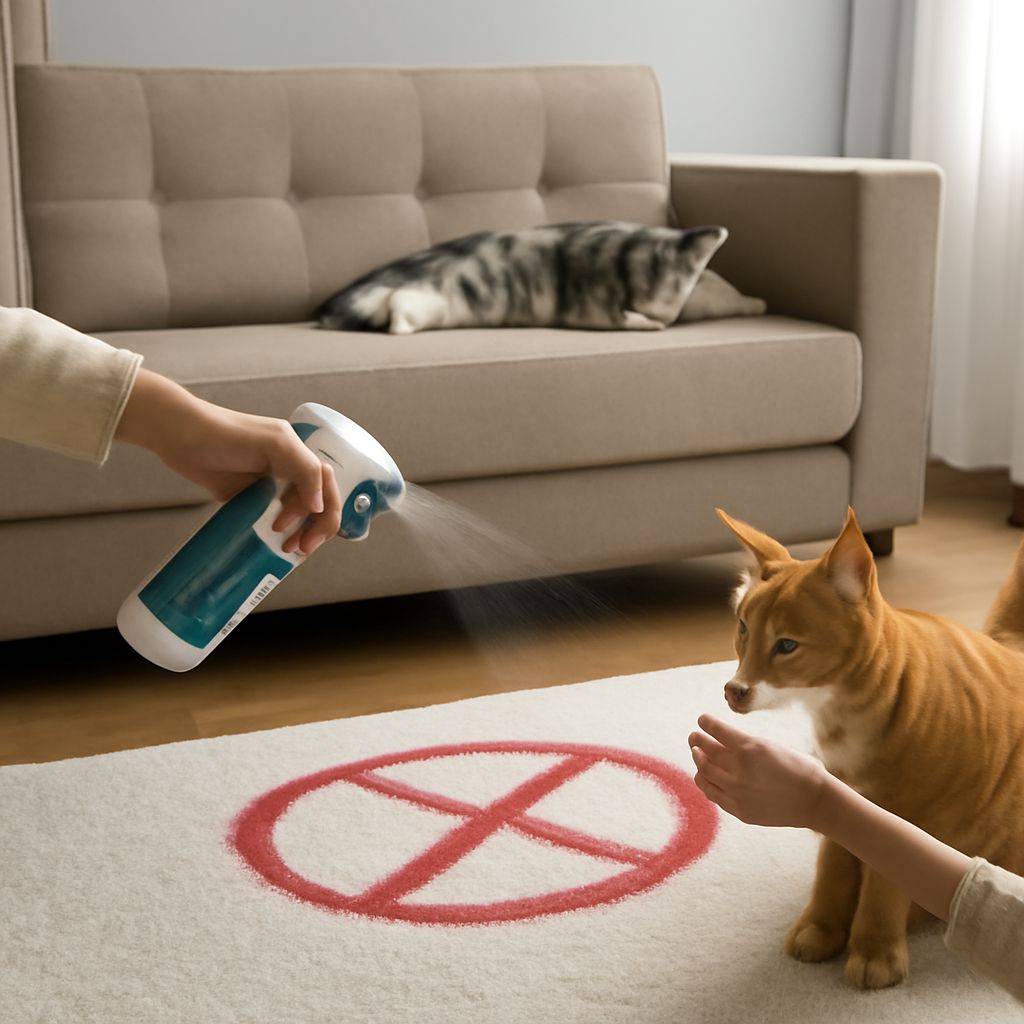
Imagine walking into your living room and noticing a familiar scent in the air—a slightly pungent odor that indicates your feline friend has been marking their territory again. You think to yourself, “How can I get my cat to stop spraying?” Understanding the reasons behind this behavior is key. Cats often spray to communicate or because they feel stressed. Learning how to stop cat spraying involves addressing these underlying causes and ensuring your home environment supports their well-being.
Understanding Why Cats Spray
Common Causes of Spraying
Cats spray for various reasons, often related to behavioral and environmental factors. One common cause is territorial marking, which is instinctive in many cats. They might also spray in response to stress or anxiety, such as changes in their environment or household dynamics. Moreover, unneutered cats, particularly males, are more prone to spraying as a way to attract mates.
Identifying Spraying Behavior
Recognizing spraying behavior is crucial for addressing it effectively. Unlike urinating, which is typically done on horizontal surfaces, spraying involves the cat backing up to a vertical surface and releasing a small amount of urine. If you notice your cat exhibiting this behavior, it’s important to monitor any accompanying signs of stress or changes in routine that may contribute to their actions.
How to Stop Cat Spraying Effectively
Behavioral Solutions to Stop Cat Spraying
To address cat spraying, it’s essential to identify and mitigate stressors in your cat’s life. Providing a stable environment and maintaining a consistent routine can help alleviate anxiety-related spraying. Engaging in regular play sessions can reduce stress and eliminate frustration, reducing the likelihood of marking behaviors.
Environmental Changes to Reduce Spraying
Making adjustments to your cat’s environment can also play a significant role in preventing spraying. Providing multiple litter boxes in different locations around the house ensures your cat has easy access when they need it. Additionally, using pheromone diffusers can create a calming atmosphere, discouraging marking. Regularly cleaning sprayed areas with enzymatic cleaners will remove any lingering scents, which may otherwise encourage repeat behavior.
Long-Term Strategies to Stop Your Cat from Spraying
Consistent Training and Reinforcement
Persistent training and positive reinforcement are essential in curbing your cat’s spraying habit. Reward desirable behaviors with treats or affection, reinforcing the behavior you wish to encourage. Over time, this consistent reinforcement can significantly reduce instances of spraying.
When to Seek Professional Help
If spraying persists despite your efforts, it may be time to consult a veterinarian or animal behaviorist. These professionals can provide insights into potential medical issues or deeper behavioral concerns. They may recommend specific therapies or training programs tailored to your cat’s unique needs.
Key takeaways: Understanding the reasons behind cat spraying is crucial for effectively addressing the behavior. Implementing behavioral solutions and environmental adjustments can significantly reduce spraying incidents. Consistent training, and when necessary, professional guidance, ensures a harmonious home environment for both you and your feline companion.