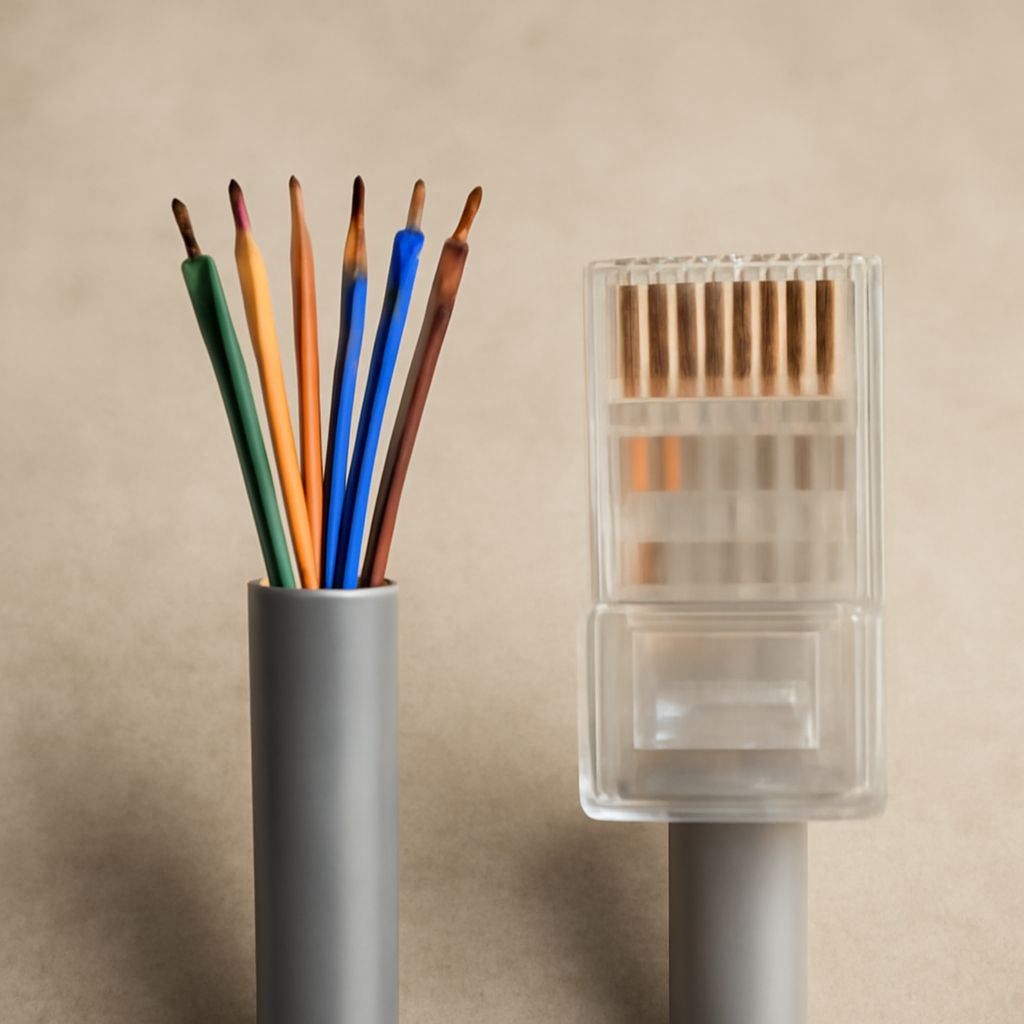
Imagine you’re in the middle of setting up your home network, and things are not going as smoothly as planned. You find yourself staring at a bundle of cables, trying to decipher the Cat 6 color code. The maze of colors looks daunting, but understanding it could be the key to optimizing your network. You start to wonder if choosing the best Cat 6 splitter or debating between Cat 6 vs 7 cables might make things easier. As you dive deeper, the search for the best Cat 6 cables becomes crucial, ensuring that your network functions seamlessly.
Understanding the Cat 6 Color Code
The Basics of Cat 6 Wiring Color Code
At the foundation of any network setup is the Cat 6 wiring color code. This coding system is essential for ensuring that your cables are correctly connected and your network functions optimally. The Cat 6 wiring typically consists of four pairs of wires, each pair with a distinctive color: blue, orange, green, and brown. These colors help distinguish the wires and ensure accurate connections.
Why the Cat 6 Color Code Matters
The significance of the Cat 6 color code extends beyond mere identification. Properly understanding and following the wiring color code can prevent connectivity issues and maintain network efficiency. When the code is misinterpreted, you might face network downtimes or slower data transmission rates, which can be frustrating.
Common Mistakes with Cat 6 Color Code
It’s easy to overlook the intricacies of the Cat 6 color code, especially for beginners. One common mistake is confusing the color pairs and mispairing them during installation. Additionally, overlooking the importance of following the exact sequence can lead to crossed connections, ultimately impacting network performance.
Choosing the Best Cat 6 Splitter
What is a Cat 6 Splitter?
A Cat 6 splitter is a device used to divide and manage data streams across multiple lines. It’s designed to facilitate better data flow and optimize the overall network setup. Splitters are particularly useful when you need to connect multiple devices to a single network source.
How to Install a Cat 6 Splitter
Installing a Cat 6 splitter requires careful attention to detail. Begin by identifying the correct ports for your incoming and outgoing cables. Ensure that the splitter is connected properly to avoid data bottlenecks. Following the manufacturer’s instructions can aid in seamless installation.
Benefits of Using a Cat 6 Splitter
Utilizing a Cat 6 splitter can greatly enhance your network’s performance. It allows for efficient data management across multiple devices, reducing the risk of data overload on a single line. Moreover, it can simplify complex network setups by centralizing connections.
Top Cat 6 Splitters on the Market
When searching for the best Cat 6 splitters, consider factors such as durability, reliability, and ease of installation. Some recommended brands offer advanced features like enhanced data flow and improved signal processing, which can be pivotal in maintaining robust network performance.
Cat 6 vs 7: Which Cable is Right for You?
Comparing Cat 6 and Cat 7 Cables
The debate between Cat 6 and Cat 7 cables often hinges on performance and cost. Cat 7 cables offer higher speeds and greater bandwidth capabilities, but they come at a premium price. In contrast, Cat 6 cables provide satisfactory performance for most home networks at a more affordable rate.
Performance Differences Between Cat 6 and Cat 7
While Cat 7 cables boast superior shielding and reduced interference, Cat 6 cables are often sufficient for standard network requirements. The enhanced data rate capabilities of Cat 7 are ideal for high-demand applications, but for regular home use, Cat 6 meets most needs efficiently.
When to Choose Cat 6 Over Cat 7
Choosing between Cat 6 and Cat 7 largely depends on your specific network requirements. If your needs are moderate and budget-conscious, Cat 6 serves as an excellent choice. However, for environments demanding high-speed data transfer, Cat 7 is the preferred option.
Finding the Best Cat 6 Cables
Top Features of High-Quality Cat 6 Cables
High-quality Cat 6 cables typically feature solid copper conductors, durable insulation, and robust shielding. These elements are crucial for minimizing signal loss and ensuring reliable network performance. Additionally, flexibility and ease of installation are key aspects to consider.
Recommended Brands for Cat 6 Cables
When selecting Cat 6 cables, reputable brands that offer quality assurance and reliable performance should be prioritized. Brands that are known for consistency in cable production often provide better warranties and technical support.
Installation Tips for Cat 6 Cables
Proper installation of Cat 6 cables involves understanding the color code, ensuring correct pairing, and maintaining cable integrity during setup. Avoid bending cables excessively, and use cable ties sparingly to prevent damage. Following these tips can help maximize your network’s performance.
Safety Recap: When dealing with network tools and cable installations, always prioritize safety. Ensure that cables are installed with proper insulation and follow manufacturer guidelines to prevent electrical hazards. Proper care in installation will enhance both performance and safety.