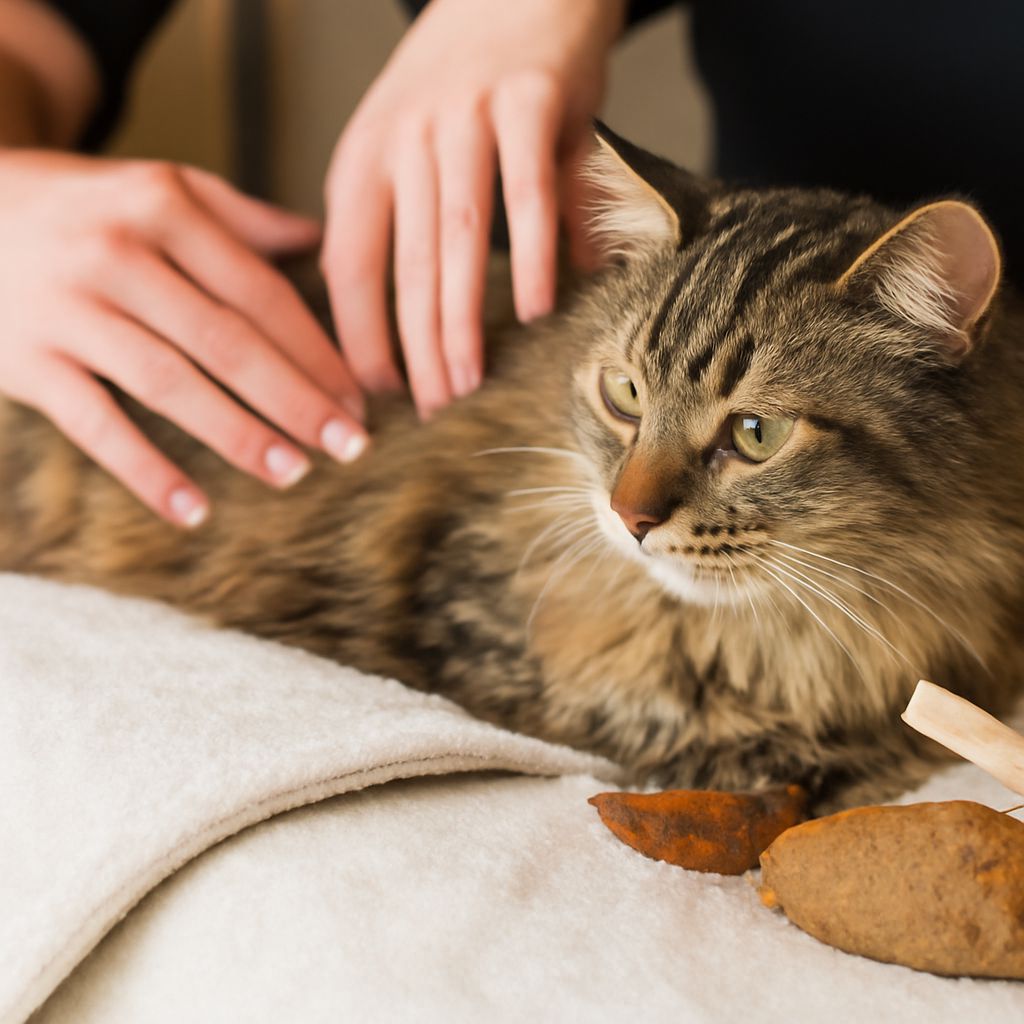
Imagine finding your beloved feline companion not greeting you at the door with its usual enthusiasm. Instead, she’s curled up in a corner, looking uncomfortable and withdrawn. As a caring pet owner, you’re immediately concerned. Your first thought might be, “Can cats have ibuprofen?” You recall it helps with your own aches and wonder if it could offer relief to your pet. However, it’s crucial to understand why giving a cat ibuprofen is not a safe option and explore other remedies. This article will guide you through recognizing the signs of pain in your cat and exploring safe alternatives to manage their discomfort.
Understanding Cat Pain and Its Causes
Common Causes of Pain in Cats
Cats may experience pain due to a variety of reasons, ranging from injuries to chronic conditions. Common sources of pain include arthritis, dental problems, urinary tract infections, and trauma from accidents. Outdoor cats might suffer from fights with other animals, resulting in bruises or wounds. Aging also predisposes them to degenerative diseases, increasing discomfort levels.
Signs Your Cat May Be in Pain
Identifying pain in cats can be challenging as they often hide their discomfort. Look for signs such as limping, reduced appetite, irritability, or changes in grooming habits. Purring is sometimes mistaken for a sign of contentment; however, cats may purr when they are in pain. Observing these behavioral changes is key to recognizing when your cat might need help.
Why Cats Can’t Take Ibuprofen: Risks and Precautions
The Dangers of Ibuprofen for Cats
Giving cats ibuprofen is unsafe and can lead to severe health issues. Unlike dogs and humans, cats lack the necessary enzymes to properly metabolize ibuprofen, resulting in toxic accumulation. This can cause kidney failure, stomach ulcers, or even death. Always avoid using human medications on pets without veterinary guidance.
What Can I Give My Cat for Pain and Swelling Instead
Instead of ibuprofen, there are several safer options to consider for a cat’s pain and swelling. It’s essential to consult with a veterinarian before administering any medication to ensure it is safe and appropriate for your pet’s condition. Veterinarians can prescribe medications specifically formulated for feline physiology.
Safe Alternatives to Ibuprofen for Cat Pain Relief
Veterinarian-Recommended Pain Relief Options
- Prescription Medications: Vets may prescribe medications like buprenorphine or gabapentin, which are formulated for cats and considered safer than over-the-counter human drugs.
- Topical Treatments: Certain creams or gels may be applied to the skin, providing localized relief without systemic effects.
Natural Remedies for Cat Pain
Some natural solutions can help alleviate mild pain in cats. Glucosamine supplements are often used to support joint health, especially in older cats with arthritis. Additionally, omega-3 fatty acids have anti-inflammatory properties that may benefit cats with chronic pain. Always discuss these options with your veterinarian to ensure they’re suitable for your pet.
Over-the-Counter Options and Their Safety
Few over-the-counter options are safe for cats, and these should only be considered under veterinary supervision. Products specifically labeled for feline use should be prioritized. Never give your cat medications meant for humans, such as aspirin or acetaminophen, as they can be toxic.
When to Consult a Veterinarian for Cat Pain
Recognizing When Professional Help Is Needed
If you observe persistent signs of pain or if the condition worsens, it’s time to seek professional veterinary advice. Sudden behavioral changes, significant weight loss, or refusal to eat are red flags that warrant immediate attention.
Preparing for Your Vet Visit
Before visiting the vet, make notes of your cat’s symptoms, dietary changes, and any recent incidents that could have caused pain. This information will assist your veterinarian in diagnosing the issue accurately and quickly.
Safety recap: Always consult a veterinarian before administering any treatment for pain in cats. Human medications, particularly ibuprofen, can be hazardous. Opt for veterinarian-approved solutions or natural remedies deemed safe for feline use.