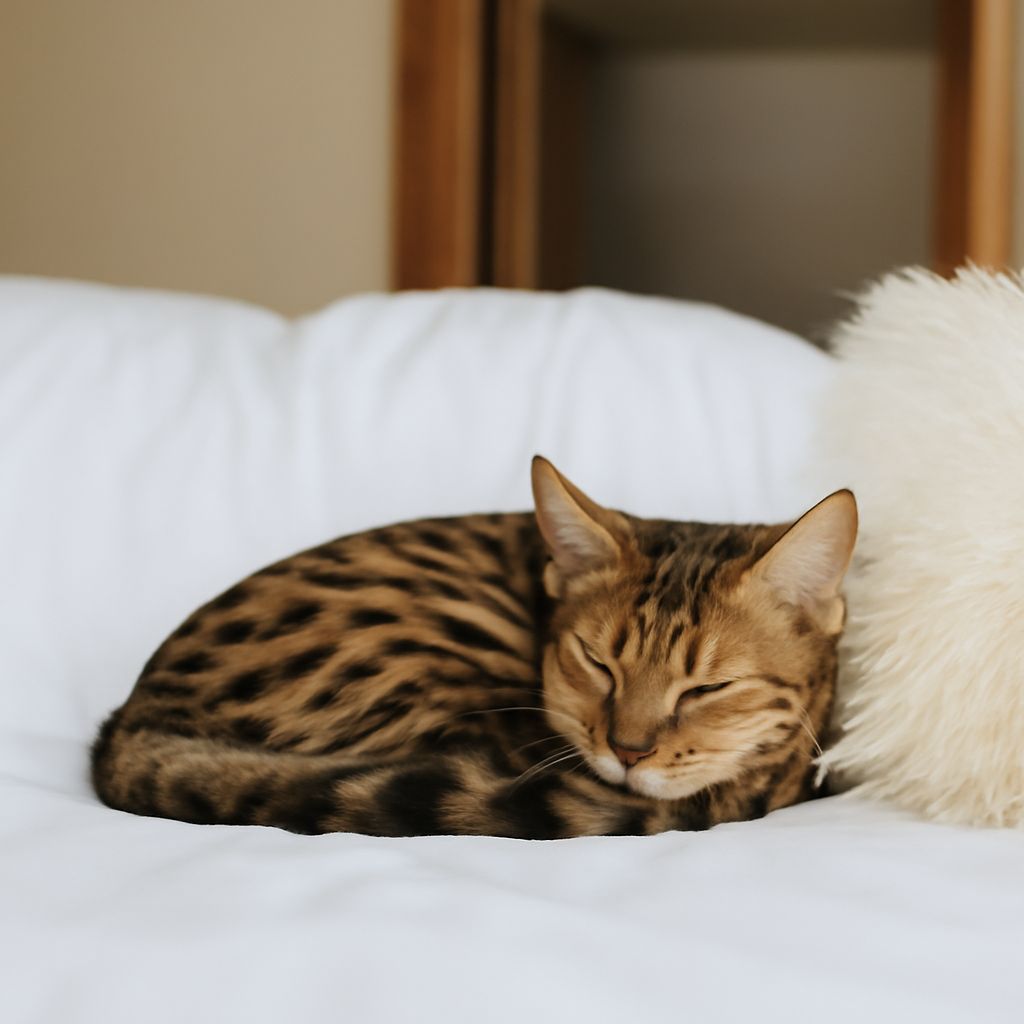
Imagine it’s a calm evening, and you’re cozied up on the couch, a cup of tea in hand, your favorite book open. Your cat, a fluffy bundle of joy, is nestled next to you, softly purring away. But as you lose yourself in the pages, you hear an unexpected sound—a gentle snore emanating from your furry friend. You may wonder, “Is it normal for cats to snore?” and “Why does my cat snore?” These questions lead you into an exploration of the quirky world of cats snoring behaviors. Understanding this feline phenomenon can be both fun and informative!
With curiosity piqued, you decide to delve deeper. Could this snoring be a sign of contentment, or is there something more concerning? By the time you finish reading, you’ll not only know more about why your cat might snore but also whether it’s something to worry about. Let’s embark on this journey to uncover the mysteries behind cats snoring.
Is It Normal for Cats to Snore?
Common Reasons for Cats Snoring
Cats snoring is a surprisingly common occurrence, especially among certain breeds. The structure of a cat’s nasal passages can influence the likelihood of snoring. Breeds like Persians and Himalayans, with their flat faces, are more prone to producing those endearing night-time sounds. Relaxation during deep sleep can cause the tissues in the throat to vibrate, resulting in a snore. Just like humans, when cats are in a deep slumber, their muscles relax, sometimes leading to snoring.
When to Be Concerned About Cat Snoring
While occasional snoring is typically harmless, persistent or loud snoring could indicate underlying issues. Pay attention if your feline friend starts snoring suddenly or if the snoring is accompanied by other symptoms like coughing or sneezing. These could be signs of respiratory infections or other health concerns that may require a vet’s attention.
Vet Insights on Cat Snoring Veterinarians often find that snoring in cats is benign, especially when linked to breed-specific attributes. However, it is essential to monitor any changes in your cat’s snoring patterns. A professional might look for signs of asthma, allergies, or obesity, all of which can contribute to increased snoring. Regular check-ups can help ensure your cat’s snoring is merely a cute trait and not a sign of a more serious condition.
Why Does My Cat Snore?
Anatomical Reasons for Cat Snoring
The anatomy of a cat can heavily dictate whether it snores. Cats with narrower nasal passages or elongated soft palates may snore more often. These features can create a natural resistance in airflow, somewhat similar to the dynamics seen in human snoring.
Environmental Factors Affecting Cats Snoring
Environmental factors play a significant role in cats snoring. Allergens such as dust or pollen can irritate a cat’s nasal passages, leading to snoring. Ensuring a clean, allergen-free environment can minimize this. Additionally, a cozy, comfortable sleeping area encourages better respiratory flow and lessens the likelihood of snoring.
How to Reduce Snoring in Cats
Reducing snoring might be as simple as adjusting your cat’s sleeping arrangement. Elevating their head slightly or choosing a bed that supports their posture can help. Maintaining a healthy weight and diet also contributes to reducing snoring, as excess weight can put pressure on the throat, increasing the chances of snoring.
Fun Facts About Cats Snoring
Cats Snoring vs. Human Snoring
While cats snoring and human snoring share similar mechanics, there are unique aspects to each. Cats tend to have a gentler, rhythmic snore, often accompanied by the soothing sound of purring. In contrast, human snores can vary widely in volume and intensity, sometimes leading to sleepless nights!
Famous Cats Known for Snoring
Believe it or not, snoring has even become a trait associated with some famous feline personalities. Internet sensations have captured audiences with their adorable snoring antics, showcasing that even the most beloved cats can have this charming quirk. These cats have embraced their snoring fame, proving that it’s just another lovable aspect of being a cat.
Next steps: If your cat’s snoring seems excessive or concerning, the best course of action is to consult a veterinarian. For regular care, keep their environment clean, monitor their weight, and ensure they have a comfortable sleeping space. Observing your cat’s snoring behavior can be a fun way to bond, giving you insights into their resting habits and overall health. Enjoy embracing every snore, purr, and whisker twitch as part of your feline’s unique charm!