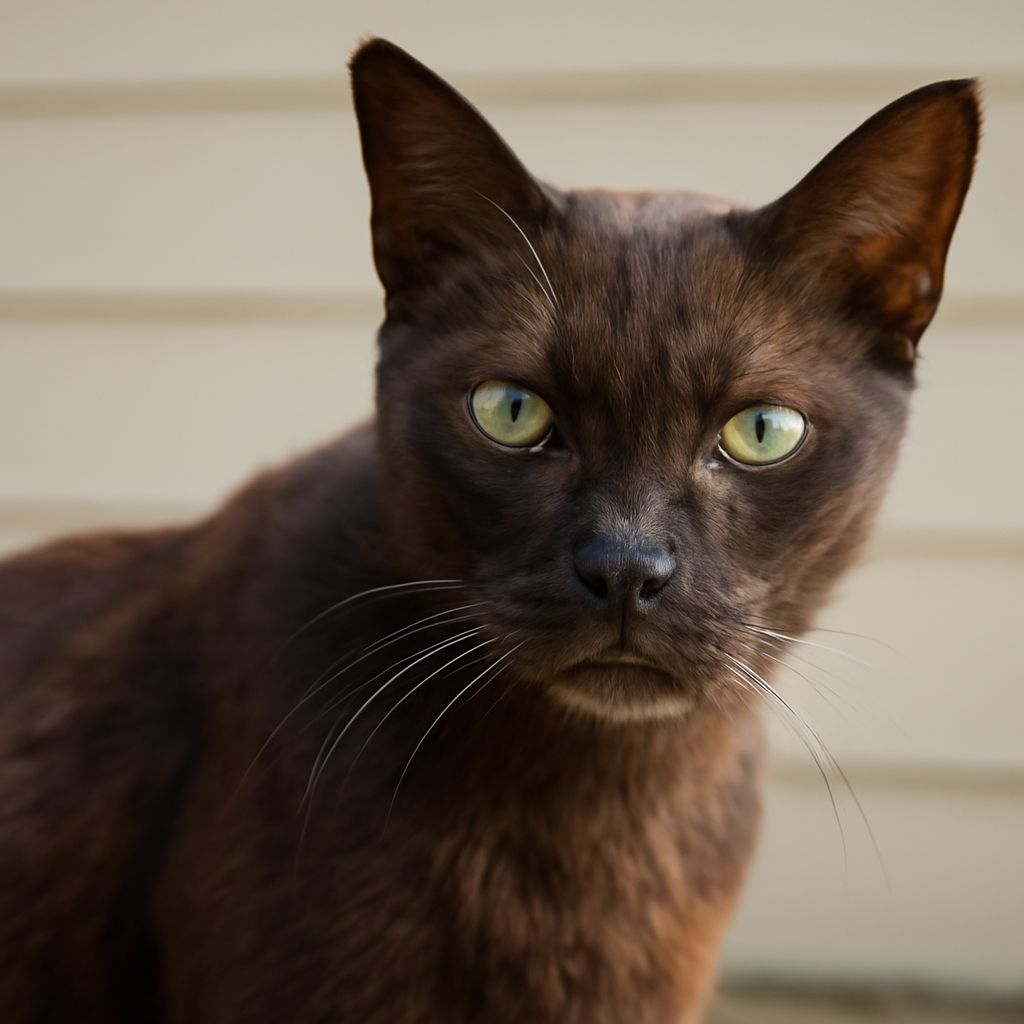
Imagine you’re gently stroking your cat, when you notice a peculiar substance around their eyes. This isn’t just a small matter; it’s cat eye gunk. As a conscientious pet owner, you wonder about the causes of this cat eye drainage and how to manage it. From white cat eye discharge to black cat eye discharge, understanding the symptoms is crucial. You’ll want to know if these signs are merely cosmetic or signal something more serious.
Causes of Cat Eye Gunk
Common Reasons for Cat Eye Mucus
Cat eye mucus can be caused by a variety of factors. Some common reasons include environmental irritants such as dust and pollen. Additionally, certain breeds are more susceptible due to the shape of their eyes, which can lead to increased tear production and subsequent cat eye gunk. Regular grooming and maintaining a clean environment can help minimize the impact of these common irritants.
Infections Leading to Cat Eye Discharge
Infections are a significant cause of cat eye discharge. Viral infections like feline herpesvirus and bacterial infections can result in excessive eye mucus. These infections often lead to symptoms such as redness, swelling, and excessive tearing, necessitating a visit to the veterinarian for a proper diagnosis and treatment plan.
Allergies and Cat Eye Drainage
Just like humans, cats can suffer from allergies that affect their eyes. Allergens such as pollen, smoke, or chemicals may cause your cat’s eyes to become watery and produce abnormal discharge. Identifying the source of the allergy and reducing your cat’s exposure can help alleviate these symptoms.
Foreign Bodies Causing Cat Eye Gunk
Foreign bodies like dust particles or small debris can find their way into a cat’s eye, causing irritation and cat eye gunk. If your cat is pawing at their eye or squinting more than usual, it might be due to something trapped in their eye. Gently flushing the eye with a saline solution can often help remove these irritants.
Symptoms of Cat Eye Discharge
Identifying White Cat Eye Discharge
White cat eye discharge often indicates mild irritation or early stages of infection. While it may not seem alarming at first, it’s important to monitor for any changes. Consistently checking your cat’s eyes can help you catch any developing issues early on.
Recognizing Black Cat Eye Discharge
Black cat eye discharge can seem more concerning and often suggests a more serious condition. It might be due to dried blood or pigment, pointing to potential infections or even injuries. Prompt veterinary attention is recommended if you notice this type of discharge to prevent further complications.
When to Worry About Cat Eye Mucus
While some cat eye mucus is normal, particularly in certain breeds, there are times when it warrants concern. If the discharge is accompanied by symptoms such as persistent squinting, rubbing, or a change in your cat’s behavior, it could indicate a more serious underlying issue. Seeking veterinary advice is crucial in these cases.
Treatment Options for Cat Eye Mucus
At-Home Remedies for Cat Eye Drainage
For minor cases, at-home remedies can be effective in treating cat eye drainage. Gently wiping your cat’s eyes with a clean, damp cloth can help remove excess mucus. Regular grooming and ensuring your cat’s environment is clean and allergen-free can also prevent eye issues.
Veterinary Treatments for Cat Eye Gunk
If the cat eye gunk persists, a visit to the veterinarian is necessary. Treatment may involve medications such as antibiotics or antiviral drops, depending on the underlying cause. The veterinarian will provide a tailored treatment plan to address your cat’s specific needs.
Preventing Future Cat Eye Discharge
Prevention is key when it comes to managing cat eye discharge. Regular check-ups, maintaining a clean living space, and monitoring your cat’s eye health can significantly reduce the occurrence of eye issues. Additionally, feeding your cat a balanced diet to support their immune system can play a crucial role in prevention.
Key takeaways: Understanding the causes and symptoms of cat eye gunk can help you manage and prevent future occurrences. Regular observation and timely veterinary consultation ensure your cat’s eyes remain healthy and bright.