
Imagine you’re lounging on your couch, sipping your favorite tea, while your cat meanders around your living room. You spot a new bouquet of carnations on your coffee table, their vibrant colors adding charm to your space. But suddenly, you wonder, “Are carnations poisonous to cats?” You start to worry as your feline friend sniffs around the bouquet. It’s crucial to ensure your home is safe for your pet. Understanding which plants pose a risk to cats, like marigolds, succulents, and geraniums, can help keep your beloved pet healthy and happy.
Understanding Plant Toxicity in Cats
Why Some Plants Are Toxic
Plants can contain various compounds that are harmful to cats. Some plants have evolved these chemicals as a defense mechanism against herbivores. When ingested by cats, these compounds can lead to a range of symptoms, from mild irritation to severe reactions. Understanding which plants are toxic is essential for preventing accidental ingestion.
Symptoms of Plant Poisoning in Cats
If your cat encounters a toxic plant, it might exhibit symptoms such as vomiting, diarrhea, drooling, or excessive scratching. In severe cases, symptoms can escalate to difficulty breathing or seizures. Recognizing these signs early can ensure prompt care and minimize health risks.
Immediate Actions if Your Cat Ingests Toxic Plants
Should your cat ingest a toxic plant, it’s vital to act quickly. Remove the plant and clean the area to prevent further exposure. Contact your veterinarian immediately and provide details about the plant and symptoms your cat displays. Avoid inducing vomiting unless instructed by a veterinary professional.
Are Carnations and Marigolds Toxic to Cats?
K1: Assessing Carnations
Carnations are known to cause mild toxicity in cats. Although not life-threatening, ingestion can lead to gastrointestinal distress such as vomiting and diarrhea. The extent of the reaction can vary depending on the amount consumed. Keeping these flowers out of reach can help avoid any unwelcome incidents.
K3: Evaluating Marigolds
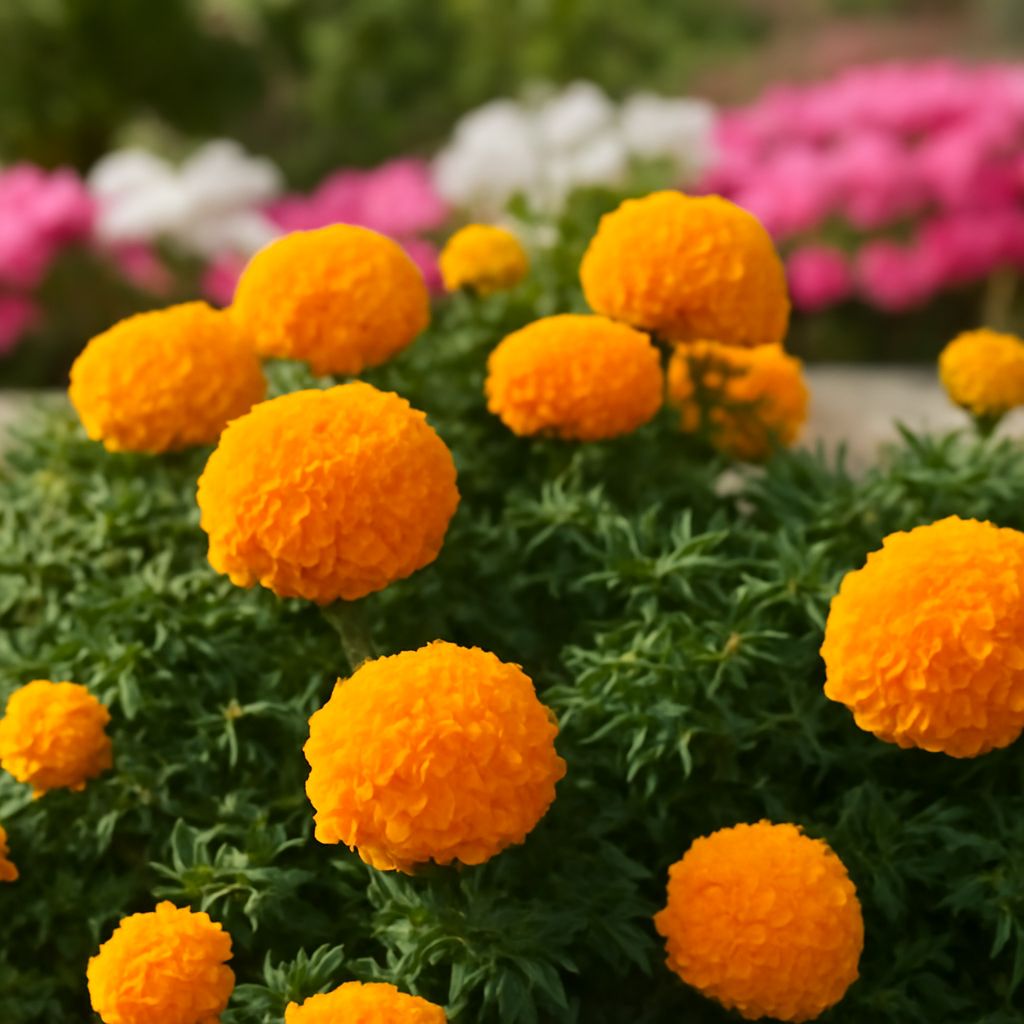
Marigolds are generally considered safe for cats. However, if ingested in large quantities, they can cause mild stomach upset. The potential for irritation is low, making marigolds a comparatively safer option to have in your home.
Alternatives to Carnations and Marigolds
If you’re looking for safer alternatives to carnations and marigolds, consider pet-friendly plants like roses or orchids. These options not only enhance your space but also ensure your cat’s safety. Always verify plant safety before introducing new greenery to your home.
Exploring Succulents and Geraniums
K4: Succulents Toxic to Cats
While many succulents are harmless, some varieties can be toxic to cats. For example, jade plants and aloe vera should be avoided. Their ingestion can lead to symptoms such as lethargy, vomiting, or diarrhea. Carefully selecting succulents can prevent potential health issues.
K5: Are Geraniums Toxic to Cats
Geraniums can cause mild irritation in cats. The plant’s oils may lead to skin rashes or gastrointestinal discomfort if consumed. While not severely toxic, it’s wise to position them in areas your cat cannot reach to avoid any risks.
Safe Succulent and Geranium Options
For succulent enthusiasts, consider safe options like haworthia, echeveria, or burro’s tail. These choices are non-toxic and add visual appeal to your home. Similarly, exploring other harmless plants alongside geraniums can create a cat-friendly environment.
Key takeaways: Ensuring your home is filled with pet-friendly plants is crucial to your cat’s safety. While carnations may cause mild discomfort, marigolds are generally safe. Keep an eye out for potentially harmful succulents and geraniums, and opt for verified pet-safe alternatives for peace of mind.