
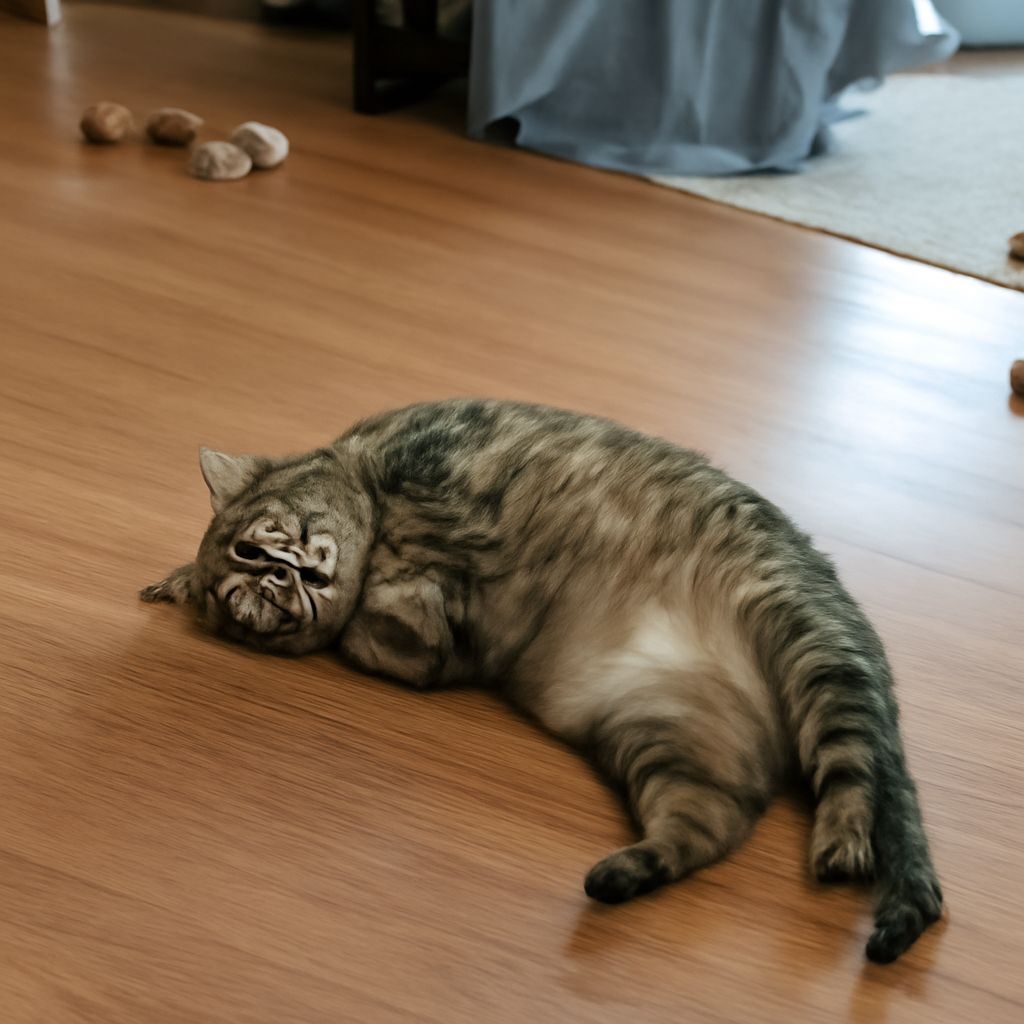
Imagine coming home after a long day to find your beloved feline companion lethargic and uninterested in their usual playful antics. You notice they’ve been drinking more water and urinating frequently, leaving you anxious and concerned. A visit to the veterinarian confirms your worst fear: your cat has kidney disease. Questions swarm your mind. How long do cats live with kidney failure? What can you do to ensure their remaining time is comfortable and fulfilling?
Understanding Kidney Disease in Cats
Kidney disease is a common ailment in cats, particularly affecting those who are middle-aged or older. The kidneys play a vital role in filtering waste from the bloodstream, regulating blood pressure, and maintaining electrolyte balance. When a cat develops kidney disease, these crucial functions begin to decline, leading to a build-up of toxins in the blood. While chronic kidney disease (CKD) can be managed to some extent, it is typically a progressive condition that requires careful monitoring and care.
There are two primary forms of kidney disease in cats: acute and chronic. Acute kidney injury occurs suddenly and can be caused by toxins, infections, or trauma. Chronic kidney disease, on the other hand, develops over time and is usually a result of aging or underlying health issues. Understanding the type of kidney disease your cat has will help you and your veterinarian tailor a care plan to manage the symptoms and slow progression.
How Long Do Cats Live With Kidney Disease?
The lifespan of a cat with kidney disease varies significantly depending on several factors, including the stage of the disease at diagnosis, the cat’s overall health, and how well the disease is managed. Early-stage kidney disease may allow a cat to live comfortably for years with appropriate treatment and lifestyle adjustments. However, once the disease progresses to more advanced stages, the prognosis may be less optimistic.
Regular veterinary check-ups and monitoring of kidney function are essential in extending your cat’s life with kidney disease. Dietary changes, fluid therapy, and medications can help manage symptoms and enhance quality of life. While it’s impossible to predict exactly how long cats live with kidney failure, proactive care can make a significant difference.
End Stage Kidney Failure in Cats: What to Expect
Symptoms of End Stage Kidney Failure
As kidney disease advances to end stage kidney failure, symptoms may become more pronounced and challenging to manage. Common signs include severe weight loss, decreased appetite, vomiting, diarrhea, and bad breath due to toxin build-up. Cats may also exhibit increased thirst and urination, dehydration, and lethargy.
Managing Quality of Life
Ensuring a good quality of life for your cat during this time involves close communication with your veterinarian. Fluid therapy can help alleviate dehydration, while appetite stimulants may encourage eating. Maintaining a calm and comfortable environment is crucial. Pain management should also be discussed to ensure your cat is as comfortable as possible.
Deciding When to Seek Veterinary Help
Deciding when to seek veterinary help during end stage kidney failure is a deeply personal decision. It often involves assessing your cat’s overall comfort, quality of life, and the progression of symptoms. Consulting with your veterinarian can provide guidance and support during this difficult time, helping you make decisions that are in the best interest of your feline friend.
Factors Affecting Life Expectancy in Cats With Kidney Failure
Several factors influence the life expectancy of cats with kidney failure. Early detection and treatment play a critical role in extending a cat’s life. Cats diagnosed at an earlier stage of kidney disease generally have a better prognosis compared to those diagnosed at a more advanced stage.
The cat’s age at diagnosis, overall health, and any concurrent medical conditions can also affect life expectancy. For instance, younger cats or those without additional health issues may respond better to treatment and have a longer survival time.
Adherence to prescribed treatments, including dietary modifications and medication, can significantly impact your cat’s quality of life and longevity. Regular monitoring and adjustments based on your veterinarian’s recommendations are crucial in managing the disease effectively.
Safety Recap: If you’re using tools or administering treatments for your cat’s kidney disease, always do so under the guidance of a veterinarian. Follow prescribed care instructions to ensure your cat’s safety and comfort.