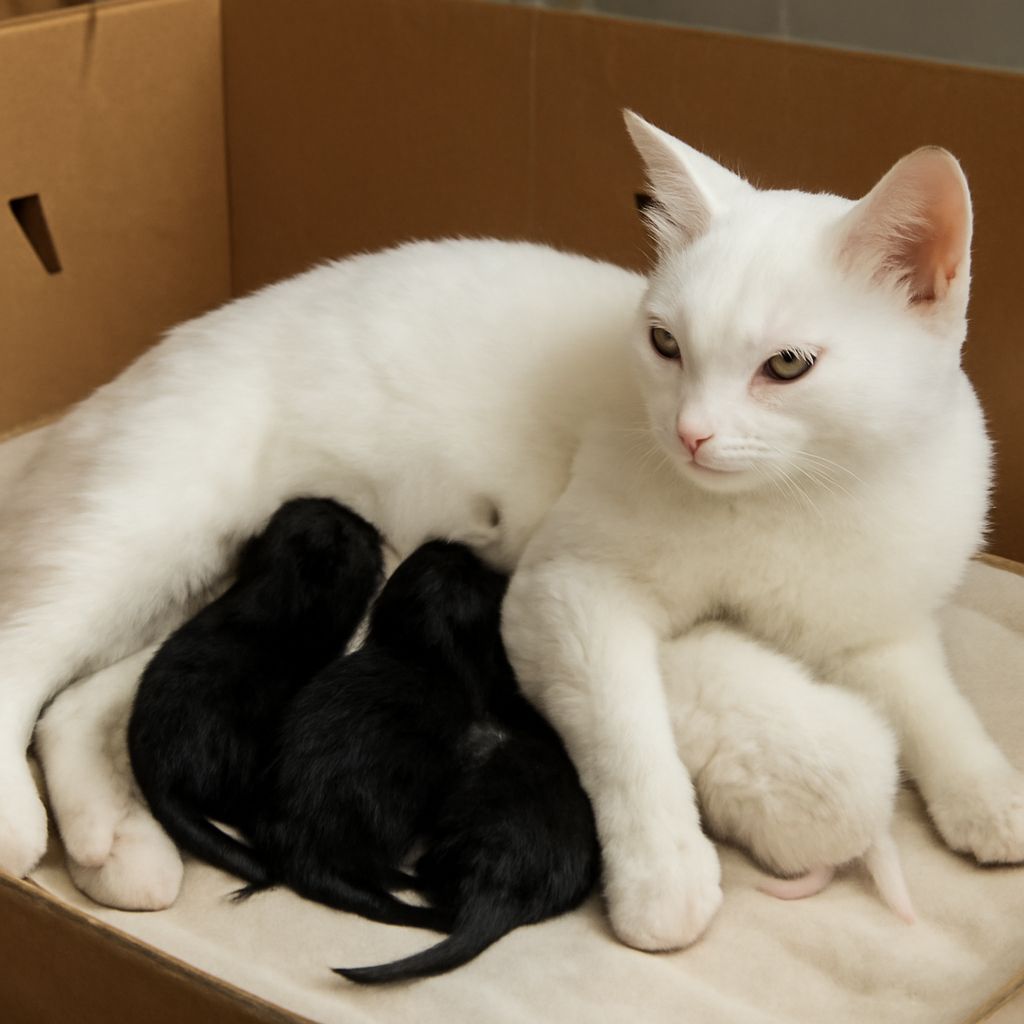
Your unspayed cat has been spending time outdoors, or maybe you’re trying to understand what you’re dealing with before you get to that spay appointment. Either way, understanding how often can cats have kittens gives you a realistic picture of feline reproductive capacity — and why the window for acting is shorter than most owners expect.
Cats are highly efficient breeders. Can cats get pregnant when not in heat is a question worth answering precisely, because the timing of feline reproduction differs from what people often assume. How many kittens can a cat have in a year depends on cycle frequency and litter size, and the numbers are striking. When do cats reach sexual maturity is earlier than most owners realize — cat sexual maturity can arrive before a kitten looks fully grown. This article covers all of it plainly.
When Cats Become Sexually Mature
Cat sexual maturity typically arrives between four and six months of age, though some breeds mature slightly later (Maine Coons and other large breeds may not cycle until six to nine months). Small-framed domestic cats sometimes reach reproductive maturity as early as four months. This is significantly earlier than the point at which a cat looks like an adult, which is why veterinarians generally recommend spaying or neutering before six months.
When do cats reach sexual maturity is influenced by season as well as age. Day length is a trigger. Female cats in temperate regions begin cycling as days lengthen in late winter or early spring. An indoor cat under artificial lighting can cycle year-round without the seasonal suppression that outdoor cats experience in winter months.
How Often Do Cats Go Into Heat?
An intact female that doesn’t become pregnant will cycle into heat (estrus) repeatedly throughout the breeding season, roughly every two to three weeks. Each heat period lasts around four to seven days. If mating occurs and the cat doesn’t become pregnant, she may return to heat within two weeks. Cats are induced ovulators — ovulation is triggered by the act of mating, not by spontaneous release. This is the direct answer to can cats get pregnant when not in heat: technically yes, because mating itself triggers ovulation, and a cat can be bred at the very beginning of a heat cycle before the behavioral signs are obvious to an owner.
How Many Litters and Kittens Per Year?
A single queen can have two to three litters per year, though some cats in warm climates or kept indoors with year-round cycling have up to four. Litter sizes range from one to eight kittens, with four being roughly average for a domestic cat.
Working out how many kittens can a cat have in a year: at two litters averaging four kittens each, that’s eight kittens annually. At three litters, it’s twelve. Over the course of a cat’s reproductive life — which can span a decade or more — an unspayed cat and her offspring are responsible for enormous numbers of cats entering the population. This is the math behind shelter overcrowding, and it’s the reason early spay-neuter programs exist.
Pregnancy Length and Early Signs
Feline gestation lasts approximately 63 to 65 days — just over nine weeks. Early pregnancy in cats can be subtle: slight weight gain, nipple pinkening (called “pinking up”) around three weeks, and a gentle rounding of the abdomen by four to five weeks. Behavioral changes may include increased affection, nesting behavior, or reduced activity. A vet can confirm pregnancy via ultrasound as early as three weeks, or by palpation at around four weeks.
Why Spaying Before the First Heat Matters
Spaying before the first heat cycle eliminates the risk of unwanted pregnancy entirely and offers health benefits: it removes the risk of pyometra (a potentially fatal uterine infection) and reduces the likelihood of mammary tumors. Mammary tumor risk increases after each heat cycle. A cat spayed before her first heat has a near-zero mammary tumor risk; that number rises meaningfully after each subsequent cycle.
Early spay also prevents the behavioral issues associated with heat — the loud vocalization, restlessness, and attempts to escape that an intact female in estrus displays. These behaviors are stressful for the cat and disruptive for the household.
Next steps: If you have an unspayed cat, contact your vet to schedule a spay appointment — the earlier the better. If your cat is already pregnant, your vet can discuss options and help you prepare for the litter. Understanding how often cats can have kittens makes the urgency of early spay-neuter clear.