Imagine coming home after a long day, expecting to relax with your feline friend. As you settle in, you notice that your cat has been unusually lethargic and hasn’t used their litter box recently. Panic sets in as you realize this could be a sign of constipation. You start to wonder how to make a cat poop, what natural home remedies might help, and when it might be necessary to consult a veterinarian for your constipated cat.
Understanding the potential causes and remedies for cat constipation is crucial for any pet owner. By learning what to give a constipated cat and how to stimulate bowel movement in cats, you can provide your feline companion with the relief they need. Let’s explore effective solutions to ensure your cat remains healthy and comfortable.
Understanding Cat Constipation
Constipation in cats occurs when a cat has difficulty passing stool, leading to infrequent or painful bowel movements. This condition can be caused by various factors, including dehydration, lack of dietary fiber, or underlying health issues. Signs that your cat may be suffering from constipation include straining in the litter box, dry or hard stools, and a noticeable decrease in appetite or activity levels.
It’s essential to recognize these symptoms early as prolonged constipation can lead to more severe health problems, such as megacolon, which might require veterinary intervention. Monitoring your cat’s litter box habits and overall behavior can provide valuable insights into their digestive health.
What to Give a Constipated Cat
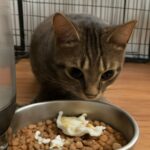
When considering what to give a constipated cat, dietary adjustments are often the first step. Increasing your cat’s fiber intake can help soften stools and promote regular bowel movements. Adding canned pumpkin or a specially formulated high-fiber cat food to their diet can be beneficial. Ensure your cat has access to fresh water at all times, as hydration is key in preventing constipation.
Some pet owners find success using over-the-counter fiber supplements designed for cats. However, it’s crucial to consult with a veterinarian before introducing any new products. A vet can provide specific recommendations based on your cat’s individual health needs.
Home Remedies for a Constipated Cat
In addition to dietary changes, there are several home remedies known to alleviate constipation in cats. Gently massaging your cat’s abdomen can stimulate bowel movement by encouraging the intestines to move. Regular play and exercise can also promote healthy digestion and reduce the risk of constipation.
Another natural remedy involves adding a small amount of olive oil or coconut oil to your cat’s food. These oils can act as a mild laxative, helping to ease the passage of stool. As always, consult with your veterinarian before trying these remedies to ensure they’re safe for your cat.
How to Stimulate Bowel Movement in Cats
Stimulating a cat’s bowel movement can sometimes be achieved through gentle physical activity. Encourage your cat to play with toys or engage in playful activities that require movement, such as chasing a feather wand. This activity can help stimulate their digestive system and encourage regular bowel movements.
If your cat is particularly sedentary, creating an environment that encourages movement can be beneficial. Climbing towers, interactive toys, and puzzle feeders can all contribute to a more active lifestyle, reducing the likelihood of constipation.
When to See a Veterinarian
While many cases of cat constipation can be managed at home, it’s important to recognize when professional veterinary care is necessary. If your cat has not had a bowel movement in more than a day or two, or if they show signs of pain, vomiting, or distress, seek veterinary assistance immediately.
Persistent or severe constipation may indicate underlying health issues that require medical intervention. A veterinarian can perform a thorough examination and may suggest diagnostic tests to identify the root cause, ensuring your cat receives the appropriate treatment.
Safety Recap: If you decide to try any home remedies for your constipated cat, always consult your veterinarian first. They can provide guidance on safe and effective methods to relieve constipation without causing harm to your feline friend.