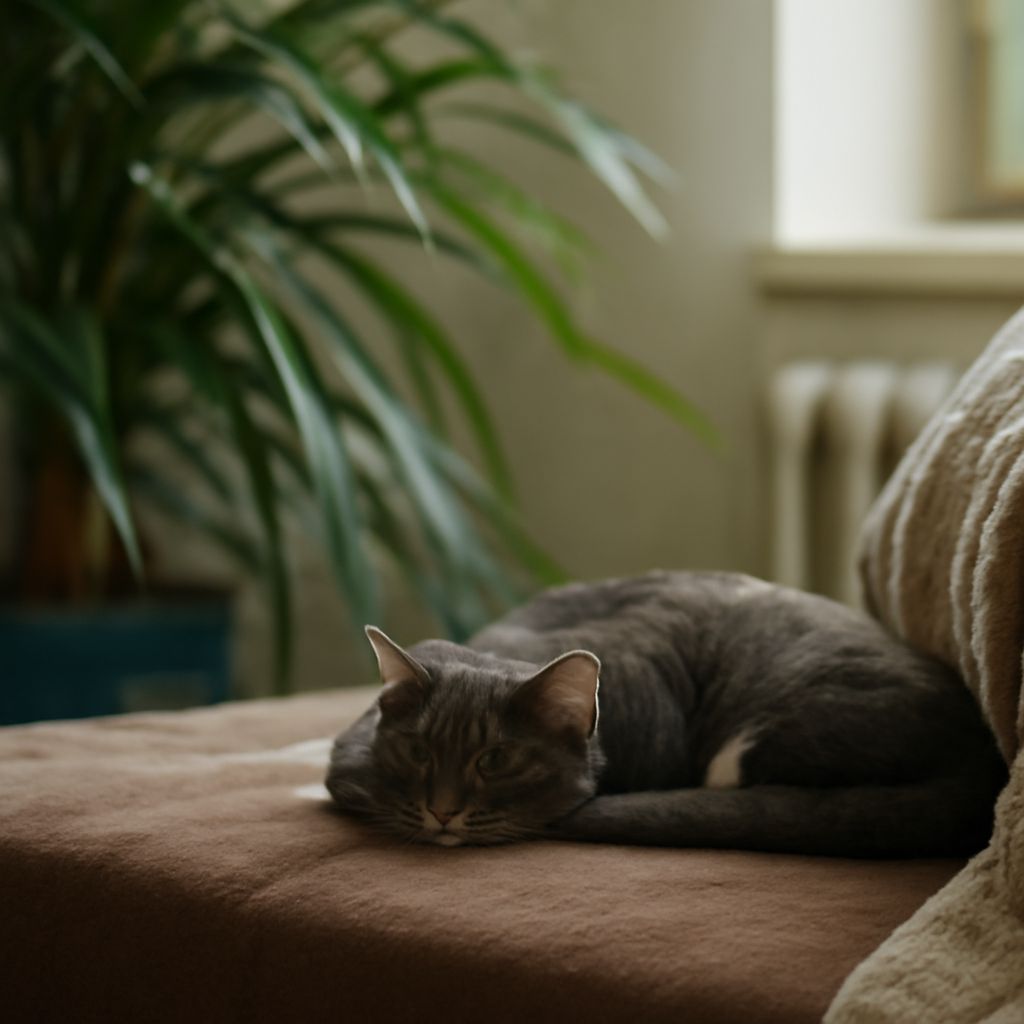
You glance over at your cat for the third time this afternoon and she’s still in the same spot, eyes closed, completely unaware that the world exists. If you’ve been asking why is my cat sleeping so much, you’re in good company — it’s one of the most common questions new cat owners have. The short answer is that cats sleep a lot by design, not by accident.
Understanding why does my cat sleep so much helps you set realistic expectations about what healthy cat behavior looks like. Cat sleeping a lot is completely normal for the species — cats are crepuscular predators that conserve energy between hunting periods. Why cats sleep so much comes down to biology, not laziness. But there’s a difference between a cat that sleeps because it’s a cat and a cat sleeps all the time because something is wrong, and knowing that difference matters.
How Much Sleep Is Normal for a Cat?
Most adult cats sleep between 12 and 16 hours per day. Kittens and senior cats sleep even more — up to 20 hours isn’t unusual at either end of the age range. This is hardwired. Cats evolved as burst hunters: short intense periods of high-energy activity followed by long rest periods to recover and conserve energy for the next hunt. Your house cat carries that same physiology even if the “hunt” is a toy on a string.
The sleep pattern also shifts based on household routine. Cats tend to be most active at dawn and dusk — this is when you’ll see bursts of play, pacing, or talking. Between those windows, sleeping is the default state. If you work regular hours, your cat probably maps its activity schedule to yours to some degree, but the total sleep hours don’t change much.
Factors That Affect How Much a Cat Sleeps
Several things influence where your cat lands in the normal sleep range:
- Age: Kittens sleep heavily because growth and development demand it. Older cats sleep more as energy levels naturally decrease.
- Weather: Cats sleep more on cold, grey, rainy days — a pattern familiar to many owners, and one that mirrors the human tendency to feel sluggish in bad weather.
- Diet: A cat fed a heavy meal may sleep more immediately afterward. Nutritional deficiencies can also cause unusual lethargy.
- Boredom: A cat with insufficient stimulation may default to sleeping more than necessary — this isn’t always restful sleep, just the absence of better options.
- Indoor vs. outdoor: Indoor-only cats often sleep more than cats with outdoor access, partly because there’s less to do.
When Extra Sleep Is a Warning Sign
The question changes when sleep patterns shift suddenly. A cat that has been moderately active for years and then starts sleeping noticeably more — especially if that shift comes with other changes — may be dealing with a health issue.
Watch for these alongside increased sleep:
- Reduced appetite or changes in eating habits
- Less interest in play or interaction
- Hiding in unusual spots
- Changes in litter box use
- Coat looking dull or unkempt
- Any visible signs of discomfort
Conditions like anemia, thyroid disease (hyperthyroidism in older cats paradoxically sometimes causes increased lethargy in later stages), diabetes, infection, and pain can all present as increased sleeping. An older cat sleeping all the time where it previously had reasonable activity levels is worth a veterinary check. The test is whether the change is gradual and explained, or sudden and accompanied by other symptoms.
How to Encourage More Active Periods
If your cat seems to sleep out of boredom rather than need, more interactive enrichment helps. Two focused play sessions per day — ten to fifteen minutes each, with a wand toy that mimics prey movement — give cats the activity burst their biology calls for and often reduce excessive daytime sleeping. Puzzle feeders replace the mental engagement of hunting and make mealtime more stimulating.
Window perches with outdoor views, bird feeders placed outside for viewing, and the addition of a second cat (in a proper slow introduction) can all increase spontaneous activity. Cats that have appropriate outlets for their natural behaviors tend to sleep at more predictable times rather than defaulting to sleep as the only available option.
Next steps: Track your cat’s sleep and activity for a week to establish what’s normal for her specifically. If patterns shift significantly and last more than a few days, especially alongside any appetite or behavior change, that’s when a vet visit is the right call. Most cats sleeping a lot are just being cats — but sudden changes are always worth investigating.