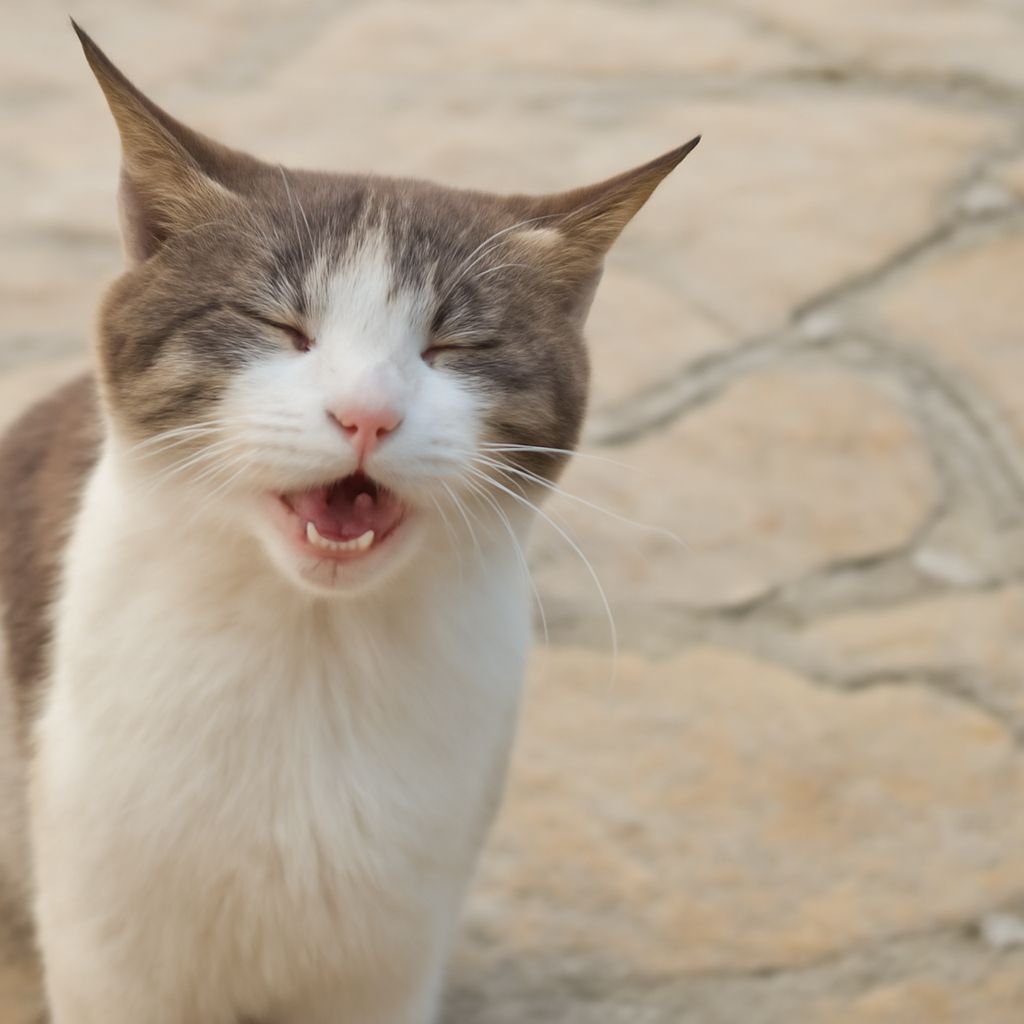
Imagine you’re sitting quietly with your feline friend, enjoying a peaceful afternoon. Suddenly, your cat lets out a series of sneezes, and you’re left wondering, “Why do cats sneeze?” Is it just a simple tickle, or is there something more concerning at play? As a cat owner, unexpected sneezing fits can be a bit unsettling. Knowing what causes a cat to sneeze and how to help if your cat has sneezing fits can be crucial in maintaining their health and well-being.
Introduction to Cat Sneezing
Just like humans, cats sneeze for various reasons. A sneeze is a natural reflex designed to clear irritants from the nasal passages. While an occasional sneeze is usually nothing to worry about, frequent sneezing can be indicative of underlying issues. By understanding the common causes of sneezing in cats, you can better assess whether your feline companion requires attention or intervention.
Common Causes of Sneezing in Cats
Cats may sneeze due to several potential triggers. Allergies are a frequent cause, with dust, pollen, and even pet dander leading to allergic reactions that can result in sneezing. Respiratory infections are another common culprit. Viral infections, such as feline herpesvirus, can cause sneezing fits alongside other symptoms like discharge from the nose or eyes and coughing.
Environmental factors also play a role. A dusty or smoky environment can irritate a cat’s nasal passages, prompting them to sneeze. Additionally, physical irritants, such as a foreign body stuck in the nose or the chemicals from cleaning products, can be responsible for frequent sneezing episodes.
When to Worry About Your Cat’s Sneezing Fits
Occasional sneezing is generally harmless, but persistent sneezing warrants closer attention. If your cat is sneezing a lot and displays additional symptoms like lethargy, loss of appetite, or difficulty breathing, it’s time to consult a veterinarian. These could be signs of a more serious condition requiring professional care.
Moreover, if your cat’s sneezing is accompanied by nasal discharge, particularly if the discharge is colored or bloody, this may indicate an infection or other health issue that needs addressing. Regular monitoring of your cat’s health can help catch potential problems early.
How to Help Your Cat When It Has Sneezing Fits
If your cat has sneezing fits, there are several steps you can take to alleviate their discomfort. Ensuring your home is free from irritants is essential. This includes minimizing dust and using unscented cleaning products. A humidifier can also help keep the air moist, reducing nasal irritation.
In cases where allergies are suspected, consulting with a vet about potential treatments or allergy medications might be beneficial. Furthermore, maintaining regular veterinary check-ups will help identify and manage any underlying health conditions that could be contributing to your cat’s sneezing.
Preventing Sneezing in Cats
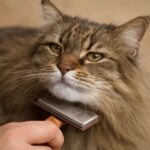
Preventive care is vital in managing your cat’s health. Keeping your environment clean and free of irritants is key. Regularly grooming your cat can reduce loose fur and dander, which are common allergens.
Additionally, bolster your cat’s immune system through a balanced diet and proper hydration. Providing a stress-free environment will also play a significant role in preventing health issues, including those that lead to sneezing. If your cat is prone to respiratory infections, vaccinations may be recommended by your veterinarian to reduce the risk of illness.
Pro Tips Recap: To ensure your cat remains healthy and comfortable, keep their environment clean and free of allergens, monitor sneezing closely, consult a vet when necessary, and prioritize regular health check-ups. Understanding the causes and solutions when your cat sneezes a lot will help you provide the best care possible.