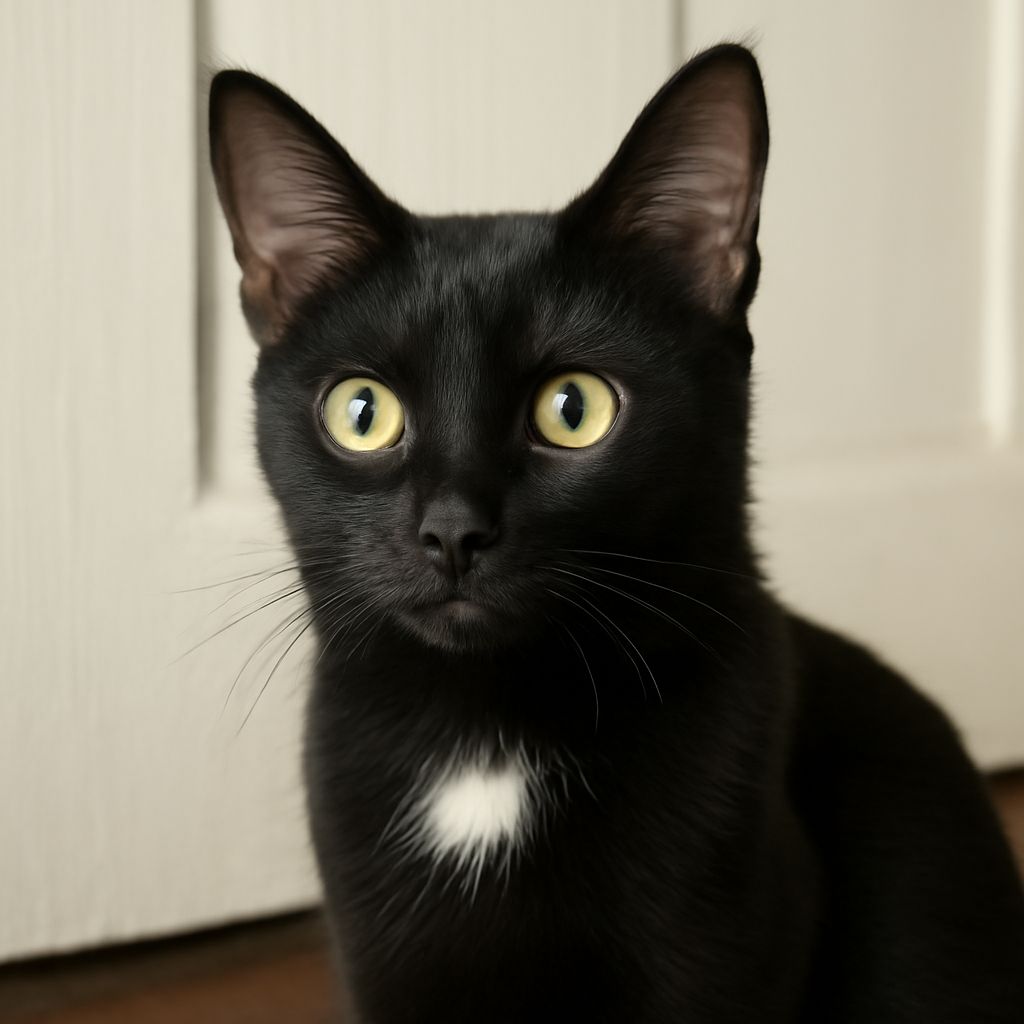
You’ve decided to adopt — and you’re drawn either to the sleek elegance of a black cat or the practical appeal of a working barn cat. Maybe you saw a shelter listing for black cats for adoption and want to know what to expect, or you’ve got a mouse problem in the outbuildings and you’re looking into barn cats for adoption as a practical solution. Either way, the adoption process for these two groups has some important differences worth understanding.
Black cats carry unfair baggage from old superstitions, which is why they tend to stay in shelters longer than cats of other colors. If you want to adopt a black cat, you’re giving a home to an animal that genuinely needs one. Barn cat adoption programs serve a different need — they place cats that aren’t suitable for indoor life into working environments where they can thrive on their terms. And if you have space and a genuine need, barn cats wanted listings from local rescues can connect you with cats that are a perfect fit for outdoor working life.
Adopting Black Cats: What Shelters Don’t Always Tell You
Why Black Cats Wait Longer
Black cats are statistically the least adopted color in most shelters. The reasons are partly cultural — centuries of superstition attached to black cats in parts of Western culture — and partly photographic. Black cats are genuinely harder to photograph well; the features that make them striking in person (bright eyes, glossy coat) don’t always show on a shelter website photo taken under fluorescent light. The result is that when you adopt a black cat, you’re likely getting an animal that has waited far longer than it should have.
Black Cat Personality and Care
Black is a coat color, not a breed or personality type. You’ll find black cats across many recognized breeds — Bombay (bred specifically for that solid black coat), Maine Coon, Domestic Shorthair, Persian, and others. What you can expect from a black cat depends entirely on its individual temperament and history, not its color. Most black cats available for adoption from shelters are domestic shorthairs with personalities ranging from lap cat to independent explorer.
Timing Your Adoption
Some shelters temporarily pause adoptions of black cats around Halloween as a precautionary measure against people adopting them for non-pet purposes. If you’re looking to adopt a black cat in October, contact the shelter in advance to understand their policy and timing. Most shelters that do this lift the pause within a week of the holiday.
Barn Cat Adoption: Working Cats and How to Find Them
What Barn Cat Programs Look For in Adopters
Barn cat adoption programs are run by shelters and rescues to place cats that have lived feral or semi-feral lives and are not comfortable in indoor home environments. These aren’t unadoptable cats — they’re cats with a specific need for outdoor space and minimal human handling. A placement through a barn cats for adoption program typically requires:
- A secure outbuilding (barn, garage, shed, or stable) for initial acclimation (4–6 weeks)
- Commitment to daily feeding and fresh water year-round
- Access to a dry, sheltered sleeping area
- Agreement to provide veterinary care if the cat is injured or visibly unwell
- No plans to move the cat to a fully indoor environment
Finding Barn Cats Wanted Programs Near You
Search for barn cats wanted listings through your local humane society, county animal control, or feral cat rescue organizations. Many areas have dedicated working cat programs that waive or reduce adoption fees because placement demand often falls short of available cats. These programs frequently have healthy, vaccinated, and spayed or neutered cats ready to place.
Setting Up for Success
The acclimation period is the most important part of barn cat adoption. Keeping newly placed cats in a large dog crate or enclosed section of the barn for four to six weeks lets them adjust to the sights and smells of the new space before they have full access. Released too soon, cats often bolt and don’t return. Released after proper acclimation, they typically establish the location as home and stay reliably.
Key takeaways: Black cats for adoption are in shelters in large numbers and make excellent pets — their wait times are longer than their merit warrants. Barn cats for adoption programs serve a real need and place cats that thrive outdoors rather than indoors. Whether you adopt a black cat for companionship or bring on barn cats for rodent management, you’re giving cats with fewer options a place where they can do well.