You’re sipping your morning coffee when you hear that unmistakable gagging sound. Rushing over, you find your cat has vomited, and to your horror, you spot worms in the mess. You’re left wondering how this happened and what you can do to alleviate your pet’s discomfort. Understanding the reasons behind why your cat might be vomiting worms is crucial to finding a solution and ensuring your cat’s health remains in check.
Introduction to Worms in Cat Vomit
Encountering worms in cat vomit can be distressing for any pet owner. Cats are natural explorers, and this can sometimes lead them to ingest parasites that cause such occurrences. Knowing the causes and available treatments for worms in cat vomit is essential for maintaining your cat’s overall health.
Common Causes of Worms in Cats Vomit
There are several reasons why cats might vomit worms. A common cause is the ingestion of worm eggs or larvae from the environment, which can then develop into adult worms inside the cat’s body. Cats that roam outdoors or hunt are more prone to this, as they can easily pick up parasites from contaminated soil or prey.
Another cause could be from consuming food or water that has been contaminated with worm eggs. Poor hygiene and sanitation practices can lead to such contamination. Additionally, kittens can get worms from their mother’s milk if she is infested, further spreading these parasites.
Types of Worms Found in Cat Vomit
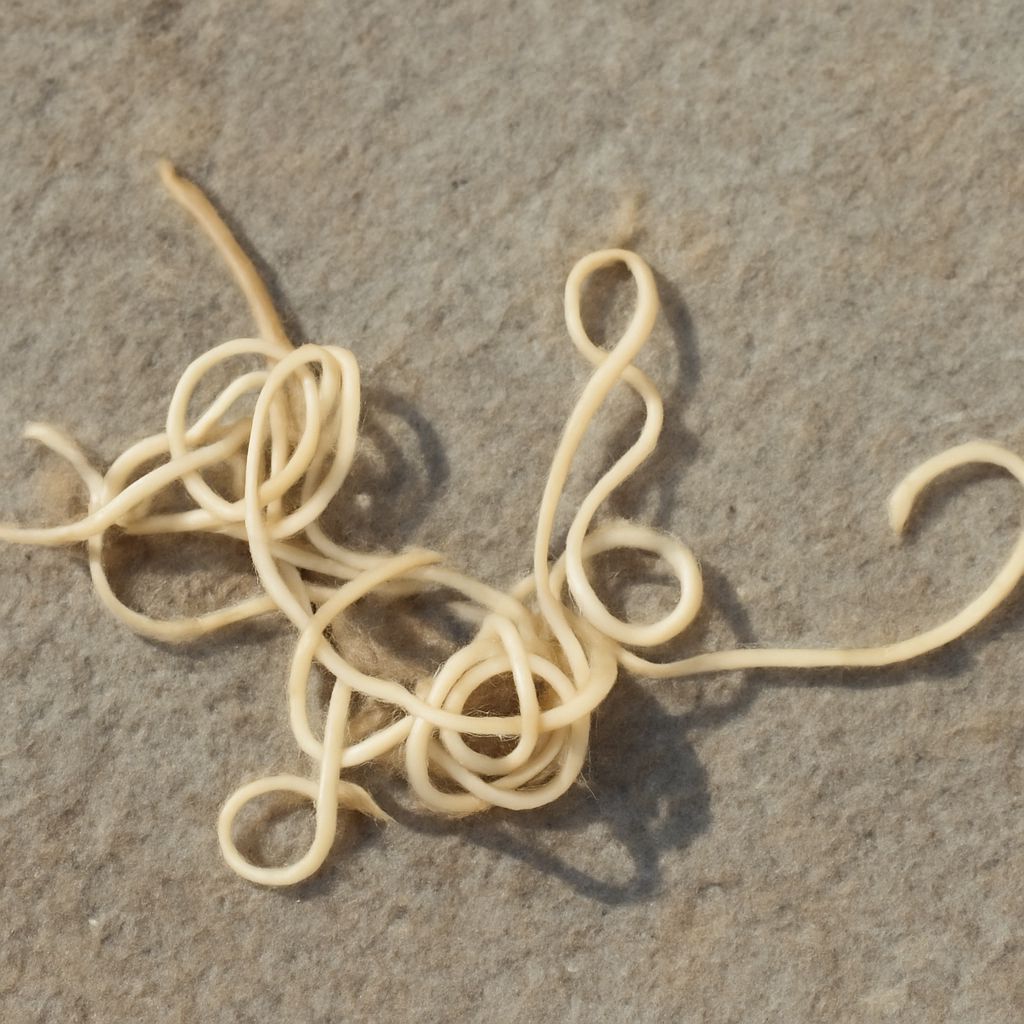
Several types of worms might be found in a cat’s vomit. The most common are roundworms, which are common in kittens and can be identified by their spaghetti-like appearance. Tapeworms might also be present, often appearing as small, rice-like segments. Less commonly, hookworms, which are smaller and feed on blood, might be found. Each type of worm requires a different approach for effective treatment.
Symptoms Accompanying Cat Vomiting Worms
Along with vomiting worms, your cat might exhibit other symptoms indicating a parasitic infection. These include diarrhea, a pot-bellied appearance, weight loss, and lethargy. You might also notice your cat having a dull coat or experiencing increased appetite without corresponding weight gain. If any of these symptoms accompany worms in the vomit, it is vital to consult a veterinarian promptly.
Treatment Options for Worms in Cat Vomit
Treatment for worms in cat vomit generally involves the use of anthelmintic medications prescribed by a veterinarian. These medications effectively eliminate the worms from your cat’s digestive system. Depending on the type of worm, your vet might recommend a specific medication or a combination of treatments to ensure comprehensive deworming.
Regular follow-up is crucial to ensure the worms do not return. In some cases, dietary adjustments might be necessary to support the cat’s recovery and restore its nutritional balance. Always follow your vet’s instructions closely when administering any treatment.
Preventing Future Incidents of Worm in Cat Vomit
Prevention is key to avoiding future occurrences of worms in cat vomit. Regular deworming, especially for outdoor cats, is an effective preventive measure. Ensure your cat’s living environment is clean and free from potential sources of contamination. Additionally, maintaining good hygiene, keeping litter boxes clean, and feeding your cat high-quality food will reduce the risk of worm infestation.
Ensuring your cat has limited contact with wild animals and monitoring their outdoor activities can also help prevent parasitic infections. Regular veterinary check-ups will aid in early detection and management, safeguarding your cat’s health in the long run.
Safety recap: Always use veterinarian-prescribed deworming medications and follow their guidance to ensure your cat’s safety and health. Regular check-ups play a crucial role in preventing and managing parasitic infections effectively.