
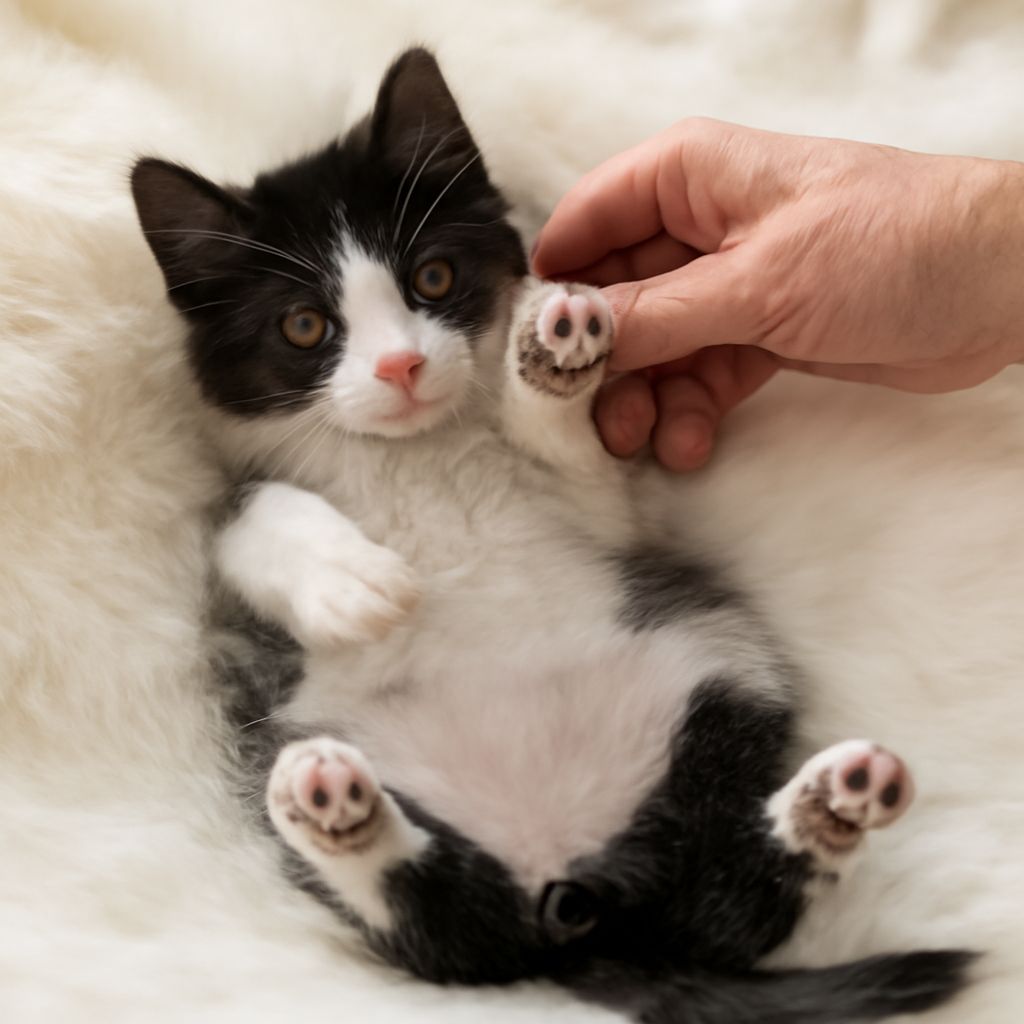
Imagine you are visiting a friend’s home when you notice something peculiar about their feline companion lounging in the sun. As your friend casually mentions their pet’s unique trait, you can’t help but wonder how many fingers do cats have? These polydactyl cats, or six-toed cats, with their distinctively extra toes, quickly capture your curiosity. What lies behind this fascinating feature, and what tales do these intriguing creatures tell?
Introduction to Polydactyl Cats
Polydactyl cats, often known for their extra digits, possess an enchanting charm that sets them apart from the typical feline. These cats, while appearing unique, have a long-standing presence in culture and history. Characterized by having more toes than usual, polydactyls are generally healthy and friendly pets. This trait, officially known as polydactyly, occurs due to genetic variations, leading to a charmingly unusual feline friend.
The Genetic Mystery Behind Cats with Extra Toes
The phenomenon of polydactyl cats is primarily attributed to a genetic mutation. This mutation affects the development of the paw, resulting in extra toes. While genetics might be a complex and often baffling field, in this case, it provides a straightforward explanation for these extra digits. The gene responsible is autosomal dominant, meaning that if one parent carries the gene, their offspring is likely to inherit this multi-toed characteristic.
These cats are not a breed on their own but can be found across various breeds. The genetic trait manifests itself without affecting the cat’s overall health, making them as lively and capable as any other feline.
How Many Fingers Do Cats Have? Understanding the Anatomy
Typically, a cat has eighteen toes — five on each front paw and four on each hind paw. However, polydactyl cats break this mold, often sporting extra toes primarily on their front paws and sometimes on the back. This unique anatomy doesn’t hinder their mobility or dexterity; rather, it enhances them in some cases. These extra digits provide additional support and stability, potentially giving the cat a slight advantage in climbing or grasping objects.
While the term “fingers” might be colloquially used to describe these toes, it’s important to note that a cat’s paws function differently than human hands. Nevertheless, their unique appendages contribute to their distinct physical appearance and capabilities.
Cultural and Historical Significance of Six Toed Cats
The history of polydactyl cats is rich with cultural significance and legends. Sailors in the past believed these cats to be good luck charms, ensuring safe voyages and prosperous journeys. The extra toes were thought to give these cats superior balance on ships, making them excellent mousers. As a result, polydactyl cats became cherished members of seafaring crews.
One of the most famous admirers of these cats was the author Ernest Hemingway, whose fondness for polydactyls led to a population of them residing at his former home in Key West, Florida. Today, Hemingway’s home hosts a thriving colony of polydactyl cats, contributing to their legacy and highlighting their cultural importance.
Caring for Your Polydactyl Cat
Owning a polydactyl cat extends beyond their unique appearance, as their care needs are similar to any other cat. Regular grooming, nutritious food, and routine vet check-ups are essential to maintain their well-being. One specific aspect to keep in mind is the careful observation of their toes, ensuring no extra digits are injured or become problematic.
Trimming their claws is crucial, as polydactyl cats may have additional claws that need attention. Regular monitoring helps prevent any potential issues associated with their unique anatomy, ensuring your feline companion remains comfortable and healthy.
Providing a stimulating environment that encourages exercise and play is vital for their physical health. Polydactyl cats, like other felines, thrive when they have ample opportunities to explore and engage their natural instincts.
Whether you’re fascinated by the genetic mystery or charmed by their historical significance, polydactyl cats offer a captivating addition to any household. Understanding their needs and characteristics will ensure a harmonious relationship with these unique companions.