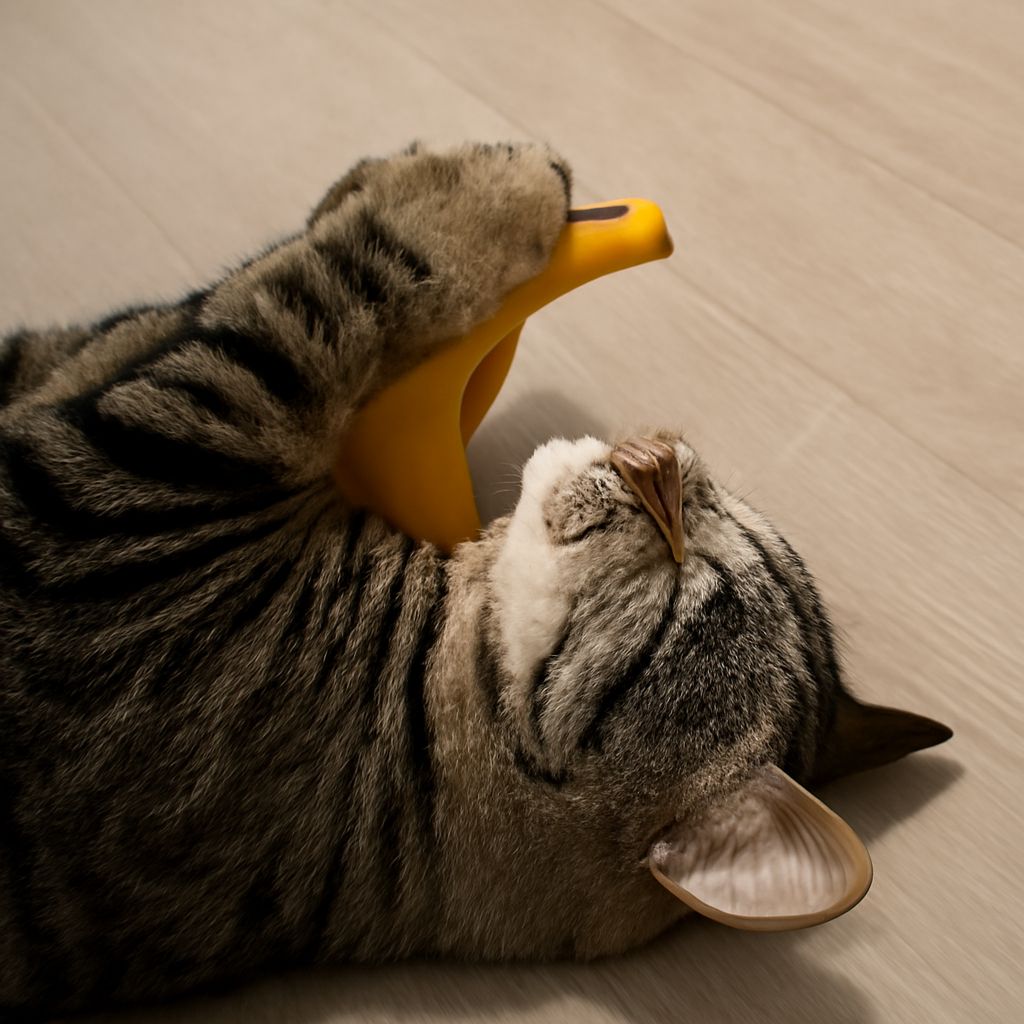
Imagine sitting in your cozy living room, sipping tea, while your feline friend rolls around on the floor with a sprig of catnip. As you observe their playful antics, a question pops into your mind: is catnip bad for cats? Could it be that catnip is like weed for cats, or are you worrying over nothing? It’s only natural to be curious about what effect catnip has on cats, and whether it’s possible for a cat to have too much catnip. Let’s explore these questions together.
Understanding Catnip: What Is It?
Catnip, scientifically known as Nepeta cataria, is a herb that belongs to the mint family. It contains an essential oil called nepetalactone, which is the primary substance responsible for eliciting a response from felines. When cats come into contact with catnip, they may exhibit behaviors such as purring, rolling, or seemingly dancing around the area. These reactions are typically harmless and short-lived, lasting around 10 to 15 minutes.
Beyond its fascinating effects on cats, catnip has been used in herbal remedies for humans, mostly for its calming properties. However, it’s important to focus on how this herb specifically interacts with our feline companions.
Is Catnip Bad for Cats?
In general, catnip is not considered harmful to cats. Most felines experience a mild and temporary change in behavior that poses no health risks. However, it is essential to monitor how your individual cat reacts to ensure there are no adverse effects. While a small percentage of cats may show sensitivity, displaying symptoms such as vomiting or diarrhea, this is relatively uncommon.
Moreover, not all cats are affected by catnip. Sensitivity to catnip is hereditary, and approximately one-third of cats show no reaction at all. This lack of response is perfectly normal and does not indicate any underlying health issues.
Is Catnip Like Weed for Cats?
The notion that catnip is like weed for cats is a popular analogy, yet it is somewhat misleading. Catnip does not affect the brain in the same way that cannabis affects humans. The euphoria or excitement exhibited by cats is due to nepetalactone binding to the olfactory receptors, not any psychoactive compound similar to THC in marijuana. While both substances can alter behavior, the mechanisms and effects are distinctly different.
Furthermore, catnip does not create any form of dependency or long-term effects on cats, unlike the potential risks associated with cannabis use in humans.
What Effect Does Catnip Have on Cats?
The effect of catnip on cats can vary significantly. Some common behaviors include playful rolling, leaping, and rubbing against the plant or toy infused with catnip. Some cats may become more relaxed, while others might exhibit an increase in hyperactive behavior. It’s crucial to note that these reactions are temporary and usually subside within minutes.
The experience is often described as a natural high, but it is not harmful or addictive. The response to catnip is purely instinctual, likely linked to pheromones that mimic mating signals. Therefore, catnip can serve as a delightful way to enrich a cat’s environment and encourage exercise through play.
Can a Cat Have Too Much Catnip?
While catnip is generally safe, moderation is key. Excessive exposure could potentially lead to mild gastrointestinal upset, such as vomiting or diarrhea, especially if a cat ingests large amounts. It is advisable to offer catnip in controlled portions to avoid any potential discomfort for your pet.
Monitor your cat’s behavior and reactions closely. If you notice any adverse symptoms following catnip exposure, it might be wise to limit or eliminate its use. Offering a variety of toys and activities can provide alternative stimulation without the risk of overexposure to any single element.
Next steps: To incorporate catnip into your cat’s routine safely, consider offering it in small, supervised sessions. Observe your cat’s reaction and adjust the frequency accordingly. Providing different forms of stimulation, such as new toys or interactive play sessions, can complement the use of catnip and ensure your feline friend remains happy and healthy.