Imagine you’re preparing your morning coffee when you notice your cat curiously sniffing around the kitchen. As you open your pantry, you spot a can of pumpkin sitting on the shelf. You wonder, “Is pumpkin good for cats?” The thought lingers as you consider the potential benefits that this autumn favorite might hold for your furry companion. Can cats have pumpkin in their diet safely, and what about those seeds? Let’s explore these questions and more.
Why Cats Might Benefit from Pumpkin
Pumpkin can be a surprisingly beneficial addition to your cat’s diet. The primary reason lies in its high fiber content, which can aid digestion and help alleviate constipation, a common issue in cats. Moreover, the natural moisture in pumpkin can add hydration to your cat’s meals, which is especially beneficial for cats that primarily eat dry food.
Beyond digestion, pumpkin is also low in calories, making it an excellent treat for cats needing to manage their weight. This nutrient-dense fruit is packed with vitamins like A, C, and E, which support your cat’s immune system and overall health.
Can Cats Have Pumpkin Safely?
Yes, cats can safely consume pumpkin, but it’s essential to do so in moderation. Introducing too much pumpkin too quickly into your cat’s diet can lead to digestive upset. Start with a small amount, such as a teaspoon, mixed into their regular food. Ensure the pumpkin is plain and free from additives like sugar, spices, or artificial flavors often found in pie fillings.
It’s also important to consult with your veterinarian before adding new items to your cat’s diet, especially if your cat has existing health conditions. They can offer personalized advice based on your cat’s specific needs.
Nutritional Benefits of Pumpkin for Cats
Pumpkin is a powerhouse of nutrition that can complement your cat’s diet. It contains antioxidants that help combat free radicals in the body, supporting long-term health. The vitamins and minerals found in pumpkin can boost your cat’s coat and skin health, leading to a shinier, healthier appearance.
Additionally, the fiber content in pumpkin is not only good for digestion but also plays a role in regulating blood sugar levels. This can be particularly beneficial for cats prone to diabetes. Moreover, pumpkin’s natural anti-inflammatory properties can assist in soothing gastrointestinal distress.
Can Cats Eat Pumpkin Seeds?
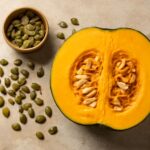
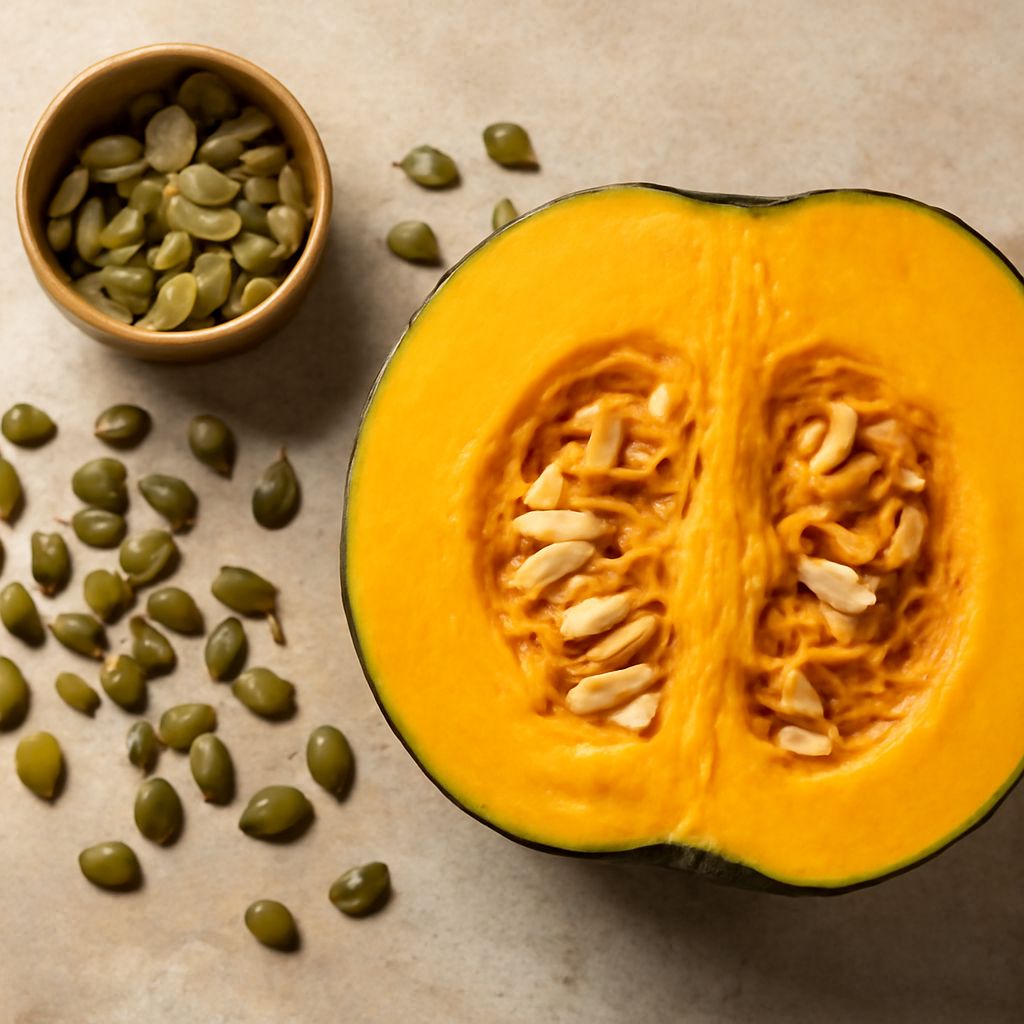
While pumpkin seeds are not toxic to cats, they should be given with caution. Cats can eat pumpkin seeds safely if prepared correctly. This means they should be cleaned, roasted, and offered unsalted. Grinding the seeds before serving can make them easier to digest for your feline friend.
Pumpkin seeds are rich in nutrients like magnesium, phosphorus, and healthy fats, which can be beneficial in small quantities. However, they should be considered an occasional treat rather than a dietary staple.
How to Introduce Pumpkin to Your Cat’s Diet
To introduce pumpkin to your cat’s diet, start with a small portion mixed into their regular food. Observe your cat’s reaction and monitor for any allergic reactions or digestive issues. If your cat enjoys the taste and seems to tolerate it well, you can gradually increase the amount, up to a tablespoon per day for larger cats.
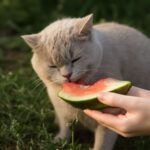
Pumpkin can also be used as a special treat. During warmer months, you can freeze small pumpkin portions for a refreshing snack. Remember, treats should only make up a small percentage of your cat’s daily intake to avoid nutritional imbalances.
Safety recap: When feeding pumpkin or pumpkin seeds to your cat, ensure that they are plain and devoid of any additives. Introduce pumpkin gradually and consult your veterinarian for guidance tailored to your pet’s health needs. With these precautions, pumpkin can be a safe and nutritious addition to your cat’s diet.