Imagine a sunny afternoon with your cat lazily lounging in the garden. Suddenly, you notice a peculiar bump on their skin, and panic sets in. Could this be a harmless insect bite, or something more daunting? Upon closer inspection, a chilling thought crosses your mind: it might be a botfly infestation, commonly referred to as warbles in cats. Understanding the causes and symptoms of these unusual parasitic infections can help you act swiftly and provide the best care possible for your feline friend.
What Are Warbles in Cats?
Warbles are a type of parasitic infection caused by the larvae of botflies, scientifically known as Cuterebra. These parasites are prevalent in warm, rural areas during the summer and early fall. When a cat brushes past a botfly egg, the warmth prompts the larvae to hatch, entering through the cat’s skin or orifices. As the larvae mature, they create a noticeable lump or swelling beneath the skin, which is commonly referred to as a warble.
Causes of Botfly Infestation in Cats
Botfly infestations occur when a cat inadvertently comes into contact with botfly eggs. These eggs are often laid near rodent burrows or in tall grasses, common haunts for adventurous felines. Cats that roam outside, especially in rural areas, are at higher risk. The larvae can penetrate a cat’s skin directly or enter through the nose or mouth, traveling to different parts of the body where they eventually lodge under the skin.
Identifying Symptoms of Warbles in Cats
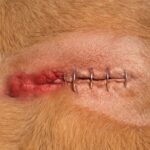
Recognizing the signs of a botfly infestation early is crucial for effective treatment. The most evident symptom is a lump under the skin that grows larger over time. The area may be swollen and painful, with a small, breathing hole visible on the surface. In addition to the physical signs, your cat may exhibit behavioral changes such as increased grooming, scratching the affected area, or general agitation. In some cases, the infestation can lead to secondary bacterial infections or respiratory issues if the larvae migrate to other parts of the body.
Treatment Options for Botfly Infestations
If you suspect your cat has warbles, it is essential to seek veterinary care promptly. Attempting to remove the larvae at home can cause more harm than good, risking rupture and infection. Veterinarians have the expertise to safely extract the larvae, minimizing complications. Post-removal, your vet may prescribe antibiotics to prevent secondary infections and recommend a recovery plan to ensure your cat’s comfort and healing. Regular follow-ups are advised to monitor recovery and check for any lingering issues.
Preventing Future Botfly Infestations
Preventing botfly infestations involves reducing your cat’s exposure to environments where botflies thrive. Limiting outdoor access during peak botfly season and keeping your garden well-maintained can significantly lower the risk. Regular grooming and skin checks can help you catch any issues early. Additionally, consult with your veterinarian about preventative treatments or insect repellents that are safe for cats to further reduce the likelihood of infestation.
Next steps: Stay vigilant by regularly inspecting your cat for unusual lumps or behavioral changes. Maintain a close relationship with your vet, ensuring your cat receives routine check-ups and preventative care. By understanding and addressing botfly infestations proactively, you can protect your feline friend from the discomfort and potential complications associated with these parasites.