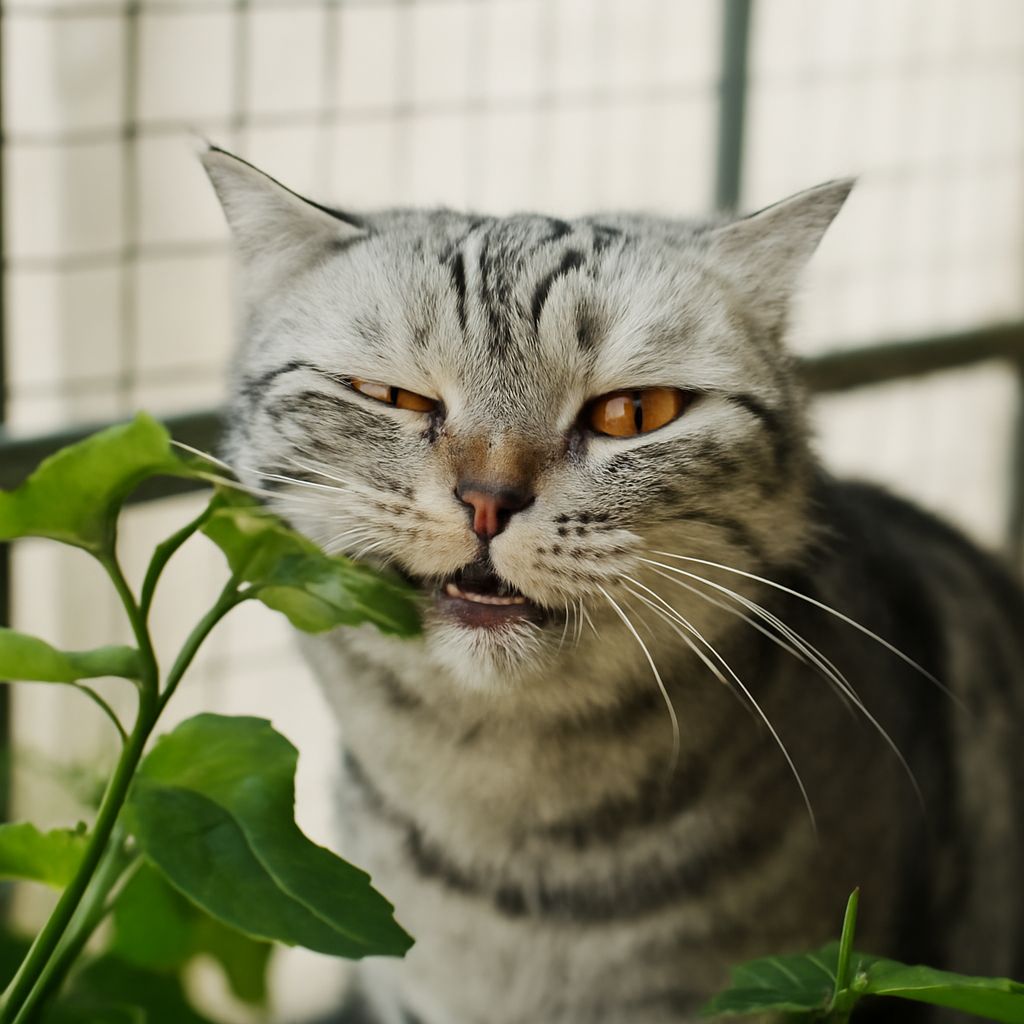
Imagine you’re enjoying a quiet afternoon at home, surrounded by the leafy green beauty of your indoor plants. Your cat, a curious companion, is meandering through the foliage. Suddenly, she begins to nibble at the leaves of your beloved Dracaena, a popular houseplant known for its striking appearance. Panic sets in as you recall reading that Dracaena is toxic to cats, and you worry about the potential health issues this could cause for your feline friend.
Dracaena, poisonous to cats, can lead to serious health challenges. Understanding how this common plant affects your pet is vital to ensuring her safety and well-being. In this article, we’ll explore the implications of Dracaena toxicity and provide guidance on care and prevention for concerned cat owners.
Understanding Dracaena and Its Toxicity
Dracaena, a genus of about 120 species of trees and succulent shrubs, is beloved for its decorative qualities. Unfortunately, these plants contain saponins, chemical compounds that are toxic to cats. When ingested, saponins can cause various symptoms ranging from mild discomfort to severe reactions.
While Dracaena is not necessarily deadly, its impact on cats can be significant. Saponins interfere with digestive processes, leading to irritation and vomiting. The ingestion of Dracaena leaves or stems can also result in more serious issues, such as increased salivation and depression. It’s crucial for cat owners to recognize the dangers these plants pose.
Symptoms of Dracaena Poisoning in Cats
If your cat consumes Dracaena, there are several symptoms to watch for that indicate poisoning. Vomiting is the most common sign, as the cat’s body attempts to expel the toxic compounds. You may also notice increased salivation or drooling, a sign of irritation in the mouth or throat.
Other symptoms can include a lack of appetite, leading to weight loss if left unchecked. In more severe cases, your cat may exhibit signs of lethargy or depression, struggling to engage with her environment. It’s essential to monitor these symptoms closely and seek veterinary advice if necessary.
Immediate Steps to Take if Your Cat Consumes Dracaena
Upon discovering your cat has ingested Dracaena, swift action is required. First, remove any plant debris from her mouth and ensure she cannot access the plant again. Observing her behavior is critical in determining the severity of her reaction.
If symptoms such as vomiting or drooling persist, contact your veterinarian for guidance. They may recommend bringing your cat in for a thorough examination, which could include treatments such as activated charcoal to absorb toxins or IV fluids to prevent dehydration.
While some cases of Dracaena poisoning may resolve without intervention, professional advice is important to ensure your cat’s safety and recovery. Never attempt to treat poisoning without consulting a veterinarian.
Preventing Dracaena Poisoning
Prevention is key to protecting your cat from Dracaena toxicity. Start by placing your Dracaena plants out of reach, using high shelves or hanging planters. Consider creating a designated cat-safe zone in your home, free from toxic plants.
Training your cat to avoid certain areas or plants can be effective. Use positive reinforcement techniques, rewarding her for staying away from potentially harmful foliage. Additionally, monitoring her behavior around your plants will help you identify any risky tendencies early.
Regularly inspect your plants for signs of nibbling or damage. If you notice your cat has developed an interest in your Dracaena, it may be wise to re-home the plant or replace it with a safer alternative.
Alternative Safe Plants for Cat Owners
For cat owners, choosing safe indoor plants can greatly reduce the risk of poisoning. Consider non-toxic options such as spider plants, Boston ferns, or bamboo palms. These plants not only pose no threat but also offer aesthetic benefits similar to Dracaena.
Herbs like catnip, mint, and thyme can also be grown indoors, providing entertainment and enrichment for your feline friend. Experiment with different varieties to find plants that suit both your home and your cat’s curiosity.
Research is essential when selecting new plants, ensuring they do not contain harmful compounds. Consulting with local nurseries or online resources will aid in making informed decisions for a peaceful coexistence between your plants and pets.
Key takeaways: Understanding that Dracaena is toxic to cats is vital for pet owners. Prompt action and veterinary advice are crucial if ingestion occurs. Prevention through safe plant choices and careful monitoring will protect your feline friend from harm.