
Imagine you’re sitting in a cozy chair, sipping tea, with your feline friend curled up on your lap. You might wonder, where did cats come from? This question sparks curiosity in many pet owners who ponder the mysterious history of their beloved companions. While stroking the soft fur, do you ever wonder how long have cats been domesticated and what paths led them to your living room? The journey of cats from wild creatures to cherished household pets is fascinating and filled with twists and turns worth exploring.
As you gaze into those enigmatic eyes, the query emerges: are cats truly domesticated? Despite living with humans for thousands of years, these creatures maintain a sense of independence that leaves us questioning their domestication status. Understanding the relationship between cats and humans offers insights into their behavior, instincts, and senses that shape our interactions today.
The Origins of Cats: Where Did They Come From?
Domestic cats, known scientifically as Felis catus, have a lineage that traces back to wild ancestors. These ancestors, the African wildcats, roamed the deserts and forests of North Africa and Southwest Asia. DNA evidence suggests that felines began to diverge from other carnivores around 10 million years ago, eventually evolving into various species adapted to diverse environments.
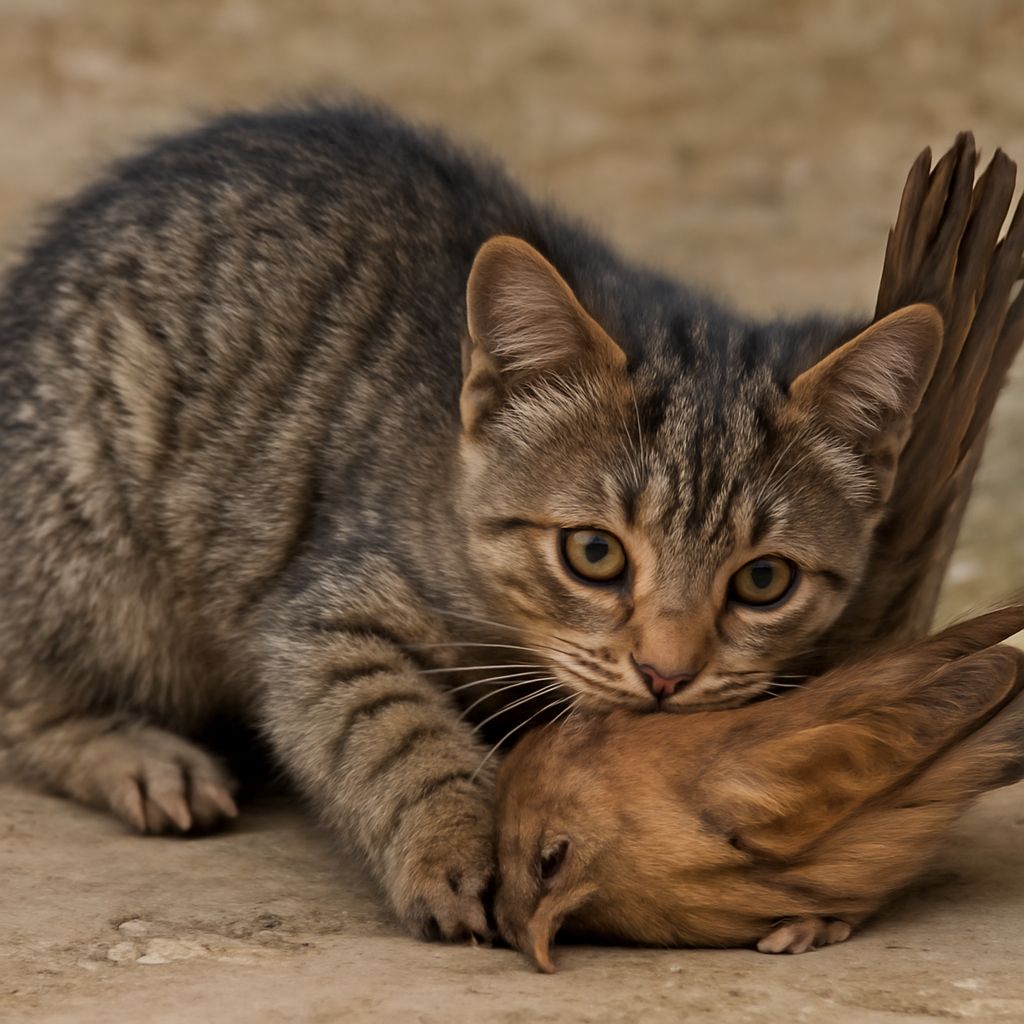
These adaptable creatures became proficient hunters, using their keen senses of sight and sound to thrive in multiple habitats. Their instincts served them well, allowing them to pursue prey with stealth and precision. The evolution of cats led to their current status as small mammals with distinct physical and behavioral traits tailored for survival.
When Were Cats Domesticated?
The domestication of cats is believed to have begun roughly 9,000 years ago. Archaeological findings from ancient villages in the Near East provide evidence of cats living in close proximity to humans. These early settlements presented abundant food sources, attracting rodents and subsequently, the cats who preyed on them.
Over time, humans recognized the advantages of having cats around as natural pest controllers. This symbiotic relationship gradually fostered a closer connection between humans and felines. As cats adapted to living alongside humans, they began to exhibit more docile behaviors conducive to domestication, yet maintaining their wild instincts.
How Long Have Cats Been Domesticated?
The domestication timeline of cats spans millennia. Cats have shared human environments since ancient Egypt, where they reached revered status. Egyptians associated cats with divinity and protection, often depicting them in art and worshipping them as sacred animals.
Through trade and exploration, cats found their way into various cultures and regions. Their ability to control vermin made them indispensable on ships, where they accompanied sailors across seas. As they spread worldwide, cats integrated into diverse societies, adapting to new climates and lifestyles.
Despite this lengthy relationship, cats have retained many wild characteristics, leading to questions about their domestication level. This unique blend of domestication and independence distinguishes cats from other domesticated animals.
Are Cats Truly Domesticated?
Unlike fully domesticated animals such as dogs and cattle, cats possess a remarkable autonomy. Their domestication is often seen as self-domestication, with cats choosing to live with humans rather than being actively domesticated by them.
One could argue that while cats have adapted to human life, they maintain a wild essence. Their behavioral traits, such as grooming and hunting, reflect ancestral practices. Many cats exhibit territorial instincts, often marking their environment and engaging in solitary activities.
Yet, cats display affectionate behaviors, bonding with humans and enjoying companionship. This duality is part of their charm, allowing them to maintain independence while forming meaningful connections with people.
The Relationship Between Cats and Humans
The bond between cats and humans is complex, rooted in mutual benefit and respect. From early settlements to modern households, cats have provided pest control and companionship, while humans offer food and shelter.
This relationship is characterized by non-verbal communication and understanding. Cats use body language and vocalizations to express needs and emotions. In turn, humans respond to these cues, fostering a harmonious coexistence.
As human lifestyles continue to evolve, so do the dynamics of cat companionship. With growing awareness of animal welfare, people prioritize healthy environments and enrichment activities for their feline friends.
The interplay between cats’ instincts and sensory abilities influences their behavior, requiring owners to understand and cater to their natural inclinations. By acknowledging these instincts, humans can nurture a fulfilling relationship, appreciating the unique qualities that cats bring to their lives.
Bottom line: The history of cats’ domestication highlights their journey from wild creatures to household companions. Despite their long association with humans, cats retain their ancestral instincts and senses, enriching their relationship with people. Understanding this evolution helps us appreciate the complexities of feline behavior and the enduring bond we share.