
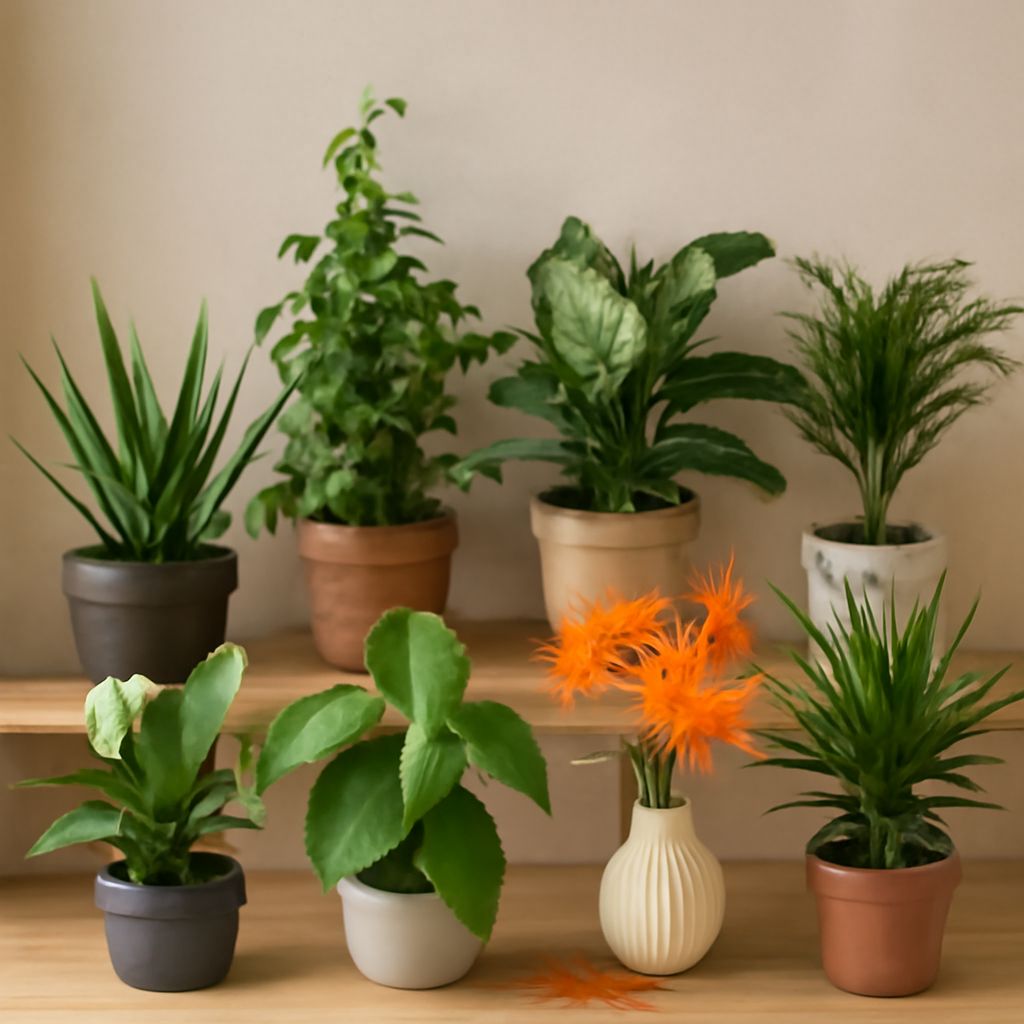
Imagine you’re enjoying a peaceful afternoon in your garden, surrounded by the vibrant colors and fragrant scents of blooming flowers. Your feline companion weaves between the plants, exploring with curiosity. But, as a responsible pet owner, you suddenly recall a critical concern: some of these beautiful flowers can be poisonous to cats. With this awareness, it becomes crucial to know which toxic flowers for cats could pose a threat to your beloved pet’s health.
While you may take pride in your well-tended garden, it’s essential to remember that even certain herbs are toxic to cats. Understanding how to protect your furry friend from potential harm is key to maintaining a safe environment. Let’s delve into the world of flowers and herbs that could be hazardous to your cat’s wellbeing and what you can do to ensure their safety.
Understanding Toxicity in Cats
Cats have a unique metabolism and physiology that makes them particularly sensitive to certain plant compounds. Unlike humans and dogs, their liver lacks certain enzymes to break down these toxins, making them more susceptible to poisoning. It’s important for cat owners to be aware of potentially dangerous flowers and herbs in their homes and gardens.
A variety of common plants, which may seem harmless, can be toxic to cats. The degree of toxicity can vary based on the plant type and the amount ingested. Understanding the risks associated with these plants can help prevent unnecessary health emergencies.
Common Flowers Poisonous to Cats
Several popular garden and household flowers are known to be poisonous to cats. Lilies, for example, are highly toxic and can cause severe kidney damage, even if your cat just licks a few pollen grains. Other dangerous flowers include daffodils, tulips, and azaleas, all of which can cause symptoms ranging from gastrointestinal upset to more severe reactions.
It’s crucial to recognize these flowers and keep them out of reach or avoid planting them altogether if you share your home with a cat. If you suspect your cat has ingested any part of these plants, it’s important to seek veterinary advice immediately.
Herbs Toxic to Cats and Their Effects
While many herbs are used in cooking and have medicinal benefits for humans, some can be harmful to cats. For instance, garlic and onions contain compounds that can damage a cat’s red blood cells, leading to anemia. Similarly, chives and leeks should also be avoided.
Other herbs that are toxic to cats include oregano and thyme, which can cause gastrointestinal distress in your feline friend. Being aware of these herbs and monitoring your cat’s access to them is imperative for their safety.
Symptoms of Poisoning in Cats
Recognizing the symptoms of poisoning can be lifesaving. Common signs include vomiting, diarrhea, drooling, and lethargy. In more severe cases, your cat may experience difficulty breathing, seizures, or loss of coordination.
It’s important to remember that symptoms can vary depending on the type and amount of toxin ingested. Therefore, monitoring your cat closely and being vigilant about changes in behavior or physical condition is vital.
What to Do in Case of Poisoning
If you suspect your cat has ingested a poisonous plant or herb, immediate action is required. Contact your veterinarian or a pet poison control center without delay. Provide them with as much information as possible, including the type of plant and the amount ingested.
While waiting for professional help, try to keep your cat calm and remove them from the source of the toxin. Do not attempt to induce vomiting or administer home remedies without veterinary guidance, as this could exacerbate the situation.
Safety Recap: Always ensure that your home and garden are safe for your feline companion by identifying and removing flowers and herbs that are toxic to cats. When in doubt, consult with a veterinarian to better understand how to protect your pet from potential poisoning hazards.