Imagine you’re relaxing at home, and your feline friend jumps onto your lap. As you gently stroke its fur, you notice it’s been scratching more than usual. Concerned, you start wondering how to get rid of mites on cats. You want to ensure your cat’s health and comfort, so you decide to learn more about these pesky parasites and how they affect your pet.
Understanding Mites on Cats
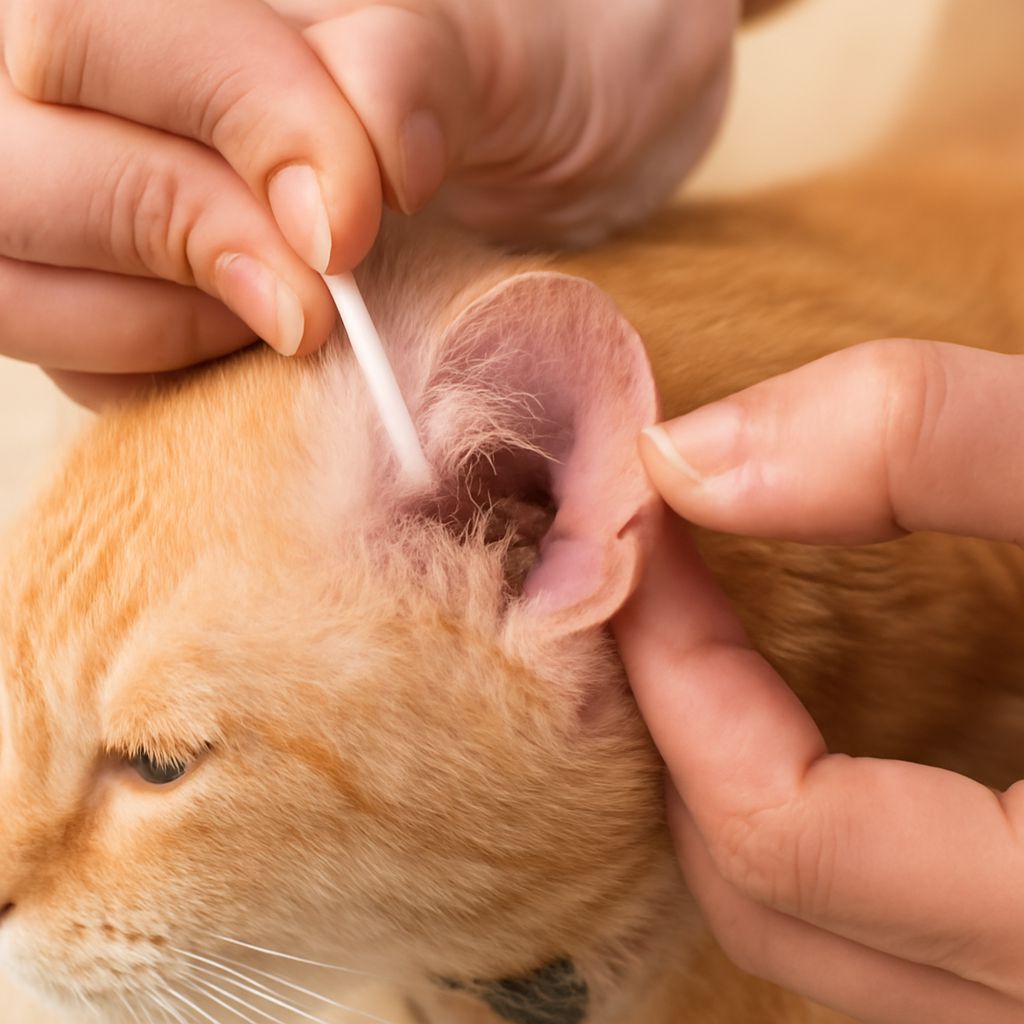
Mites are tiny parasites that can cause significant discomfort to your cat. There are several types of mites that can infest cats, including ear mites, mange mites, and fur mites. Each type of mite affects different areas of a cat’s body, leading to various symptoms. Ear mites are particularly common and can be found in the ear canal, while mange mites tend to burrow into the skin, causing intense itching.
Understanding the life cycle and behavior of these mites is crucial in combating them. Mites reproduce quickly, making it essential to act swiftly once an infestation is suspected. Early detection and treatment can prevent prolonged discomfort and skin issues for your pet.
Common Symptoms of Mites on Cats
Recognizing the signs of a mite infestation is the first step in addressing the problem. Common symptoms include excessive scratching, head shaking, and patchy fur loss. You may also notice redness and inflammation in the affected areas, often accompanied by a foul odor if ear mites are present. Some cats may develop scabs or crusts on their skin due to repeated scratching.
If your cat exhibits any of these symptoms, it’s essential to examine their ears and skin closely. Using a magnifying glass can help you spot the tiny mites or their eggs, although some infestations might still require a professional evaluation.
How to Get Rid of Mites on Cats
Once you’ve identified that mites are the culprit, several treatment options are available. Over-the-counter solutions can be effective for mild cases, including topical treatments, ear drops, and medicated shampoos. These products target mites directly and help soothe irritated skin.
For more severe infestations, your veterinarian may prescribe stronger medications such as oral tablets or injections. These treatments are designed to eliminate mites more effectively and provide relief for your cat. Regular cleaning of your cat’s bedding and environment is also crucial to prevent re-infestation.
Preventing Mite Infestations
Preventing a mite problem before it starts is always preferable. Regular grooming and bathing can help keep your cat’s coat and skin healthy, reducing the risk of mite infestations. Additionally, maintaining a clean living environment and vacuuming regularly can minimize the presence of mites in your home.
It’s also important to monitor your cat’s interactions with other animals, as mites can spread easily through contact. Providing your cat with a balanced diet and regular veterinary check-ups will support their overall health, making them less susceptible to parasite issues.
When to Consult a Veterinarian
While some mite infestations can be managed at home, there are times when professional help is necessary. If you see persistent symptoms despite treatment, or if your cat’s condition worsens, contacting a veterinarian is crucial. They can perform a thorough examination and recommend the most effective course of action.
Veterinarians are equipped to deal with resistant mite strains and can offer advanced treatments that are not available over the counter. Ensuring your pet gets the care they need will lead to a quicker recovery and prevent future infestations.
Safety Recap: Always use treatments as directed and consult your vet before trying new products. Keeping your cat’s environment clean and monitoring their health can prevent mites from becoming a recurring issue.