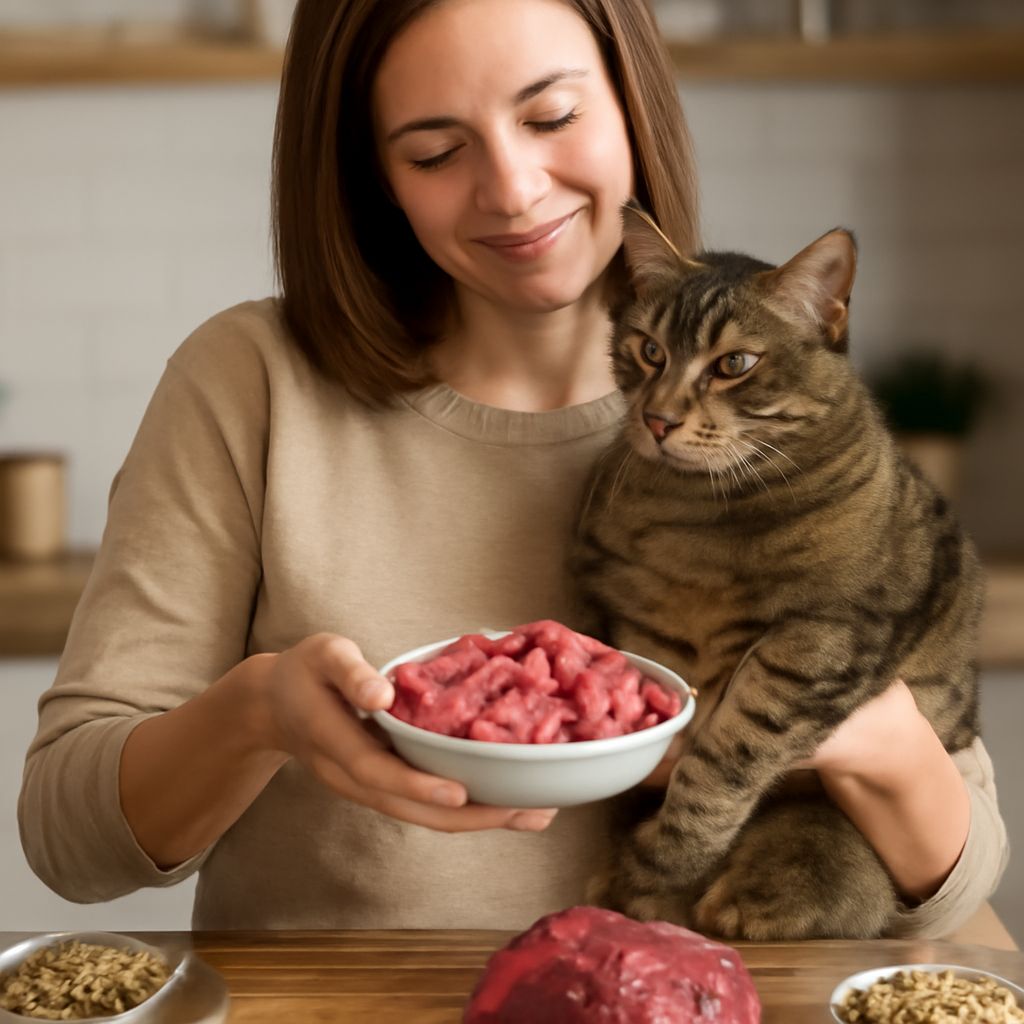
Imagine you’re browsing pet nutrition forums, determined to give your cat the healthiest life possible. You stumble across heated debates about a raw diet for cats, with passionate advocates and cautious skeptics sharing their experiences. As a caring pet owner, you want the best for your feline companion but feel overwhelmed by the conflicting advice. Are raw food cat diet options truly the gold standard in feline nutrition, or do the risks outweigh the rewards?
Whether you’re curious about giving your cat raw meals or simply want to understand the trend, this guide breaks down everything you need to know. We’ll explore the science behind feeding raw, the practicalities of preparing such meals, and balanced guidance to help you make informed choices for your cat’s well-being.
Understanding the Raw Diet for Cats
The concept of a raw diet for cats is rooted in the idea that felines, as obligate carnivores, thrive on food that closely mimics what their wild ancestors consume. Raw feeding typically involves offering uncooked animal proteins such as meat, organs, and sometimes bones, often supplemented with small amounts of vegetables or eggs. Unlike conventional dry kibble or canned foods, a raw food cat diet aims to provide nutrition in its most natural state, free from heavy processing.
Proponents claim that these natural food sources are more aligned with a cat’s digestive system, which has evolved to handle high-protein, low-carbohydrate meals. Some versions of this dietary approach include commercially available raw diets, while others rely on homemade recipes crafted with guidance from pet nutritionists or veterinarians. Regardless of the format, the core principle remains: prioritize whole, minimally processed ingredients that support your cat’s natural dietary needs.
It’s important to recognize that not all raw diets are created equal. The nutritional balance of a raw meal can vary widely depending on the recipe or product. Careful formulation is essential to ensure your pet receives the right blend of amino acids, fatty acids, vitamins, and minerals. Researching reputable sources and consulting with professionals can help you avoid common pitfalls and keep your cat’s meals complete and balanced.
Benefits of a Raw Food Cat Diet
Many advocates of raw feeding point to a range of potential advantages for household felines. Supporters often report that cats consuming raw meals may have sleeker coats, improved muscle tone, and increased energy levels. Some pet owners observe changes in litter box habits, such as smaller, less odorous stools, due to the higher digestibility of raw proteins compared to the byproducts found in some commercial foods.
Feeding raw food cat diet variations can encourage hydration, especially when offering moisture-rich meats. Since cats often have a low thirst drive, this dietary moisture content can be particularly beneficial for kidney and urinary tract health. Additionally, bones included in certain raw feeding protocols, when appropriately selected and prepared, may aid in dental health by helping reduce plaque and tartar buildup.
While research on the long-term outcomes of raw diets is still evolving, anecdotal evidence and some preliminary studies suggest that these approaches may support optimal weight maintenance and improved skin condition. However, it’s crucial to recognize that these results depend on the overall quality and balance of the raw food provided.
Potential Risks and Considerations
Despite the appeal, there are real concerns to weigh before switching your cat to a raw diet. One of the top risks is exposure to harmful bacteria, such as Salmonella or E. coli, which can be present in uncooked animal products. Although cats are generally more resistant to certain pathogens than humans, both pets and owners could face health issues if raw ingredients are not handled safely.
Another important consideration is nutritional balance. Raw diets that are not properly formulated can lead to deficiencies or excesses in nutrients, posing risks to your cat’s health over time. For example, a diet lacking taurine or calcium may result in severe health problems. It’s vital to either choose reputable commercial products that meet established nutrition standards or work with a veterinary nutritionist to craft balanced homemade meals for your pet.
Cross-contamination is another concern, as surfaces, utensils, and hands that come into contact with raw meat must be thoroughly cleaned. Households with young children, elderly individuals, or immunocompromised members should be especially cautious. Finally, some cats may have trouble adjusting to new textures or flavors, requiring patience and gradual dietary changes.
How to Safely Transition Your Cat to a Raw Diet
Introducing a raw food regimen to your feline friend should always be done gradually. Sudden dietary shifts can upset a cat’s digestive system, leading to gastrointestinal distress. Start by mixing small portions of raw food with your cat’s usual meal and slowly increase the raw component over several days or weeks.
When preparing or serving a raw meal, prioritize food safety. Wash hands and all kitchen tools thoroughly after handling raw meats. Store raw ingredients in the refrigerator or freezer and avoid leaving them at room temperature for extended periods. If using bones in your cat’s foods, select only raw, appropriately sized bones to minimize the risk of choking or dental injury.
Monitoring your cat’s health through regular veterinary checkups is vital during and after the transition. Keep an eye out for any signs of digestive upset, allergic reactions, or weight fluctuations. By being attentive and consulting with professionals, you can make the switch to raw feeding smoother and safer for your pet.
Common Myths About Raw Diet for Cats
Raw cat diets are surrounded by myths, making it challenging for pet owners to discern fact from fiction. One common misconception is that all raw food cat diets automatically guarantee superior nutrition. In reality, improper preparation or imbalanced recipes can lead to nutritional gaps, regardless of the diet’s “natural” appeal.
Another myth is that raw feeding is always risky or unsafe. While there are hazards associated with uncooked meats, practicing good hygiene and sourcing high-quality ingredients can significantly reduce these risks. It’s also worth dispelling the notion that cats cannot adapt to a new raw menu; while some felines are finicky, patience and gradual transitions can help most cats adjust.
Lastly, some believe that only homemade raw diets are effective, but several commercial options now provide nutritionally complete, expertly formulated meals. By separating fact from fiction and following evidence-based advice, you can confidently navigate your cat’s raw feeding journey.
Pro tips recap: A thoughtfully planned raw diet for cats offers potential benefits but requires careful attention to balanced nutrition and food safety. Consult your veterinarian, transition gradually, and rely on reputable sources to keep your cat healthy and thriving on a raw food cat diet.