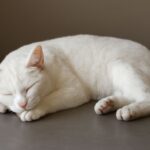
You notice your cat sitting oddly still in the corner, sides heaving faster than usual. Maybe you caught your cat breathing heavily while resting, which stopped you cold because that is not normal after a nap. Fast breathing in cats is one of those symptoms that can mean something minor or something serious, and telling the difference quickly matters. Tachypnea in cats, the clinical term for an elevated respiratory rate, covers anything above roughly 30 breaths per minute at rest.
Cats typically breathe between 15 and 30 times per minute when relaxed. If you count your cat’s breathing and it’s consistently higher, or if cats breathing looks labored at all, that warrants attention. Cat breathing fast and shallow, especially with the belly moving more than the chest, is a red flag worth acting on fast.
What Causes Cat Rapid Breathing
Normal vs. Abnormal Breathing Rates Some fast breathing is situational. A cat that just chased a toy or got startled may breathe quickly for a minute or two, then settle. That is normal. Rapid respiration that continues for more than a few minutes while your cat is sitting still is not. The key distinction is whether the elevated rate resolves on its own within two to three minutes of rest.
Count breaths by watching the chest or flank rise and fall. One rise plus one fall equals one breath. Do this for 30 seconds and double it. Anything above 60 while resting deserves a call to your vet.
Stress and Overheating
A stressed cat in a car or at the vet may pant slightly, which is unusual for cats but not always dangerous in that context. Overheating is more serious. Unlike dogs, cats rarely pant to cool down under normal circumstances. If your cat has been in a hot environment and you see mouth breathing or rapid chest movement, move them somewhere cool and contact your vet.
Respiratory rate can also spike with pain. A cat that hurts somewhere may breathe faster simply due to discomfort or stress hormones, so combining fast breathing with hiding or reluctance to move adds urgency to the picture.
Respiratory Infections and Fluid
Upper respiratory infections are common in cats and can cause nasal congestion that forces them to work harder to breathe. Lower down the airway, pneumonia or feline asthma can restrict airflow significantly. Pleural effusion, a buildup of fluid around the lungs, is one of the more serious causes and can build gradually without obvious external signs until breathing becomes very labored.
Heart disease in cats often presents through respiratory changes before any other sign. Fluid that accumulates because the heart is not pumping efficiently ends up in or around the lungs, making every breath an effort. This is a situation where fast diagnosis and treatment make a measurable difference.
Reading the Signs of Tachypnea in Cats
Open-Mouth Breathing and Labored Effort Cats almost never breathe with their mouths open unless something is wrong. Open-mouth breathing, also called dyspnea when accompanied by visible effort, is an emergency signal. If you see your cat’s mouth open while breathing at rest, do not wait and watch. Go to a vet or emergency animal clinic immediately.
Labored effort shows as exaggerated chest or belly movement, neck extended forward, and elbows pushed out to the sides. These postures help open the airway and are a sign the cat is working hard to get air in. Normal breathing is quiet and barely visible.
Belly-Breathing and Posture Clues
In healthy cats, the chest does most of the work when breathing. When the abdomen moves noticeably with each breath, that shift suggests the diaphragm is being recruited to compensate for reduced lung capacity. Watch where the movement originates. Belly-dominant breathing paired with an elevated rate is more concerning than a slightly fast rate with normal chest mechanics.
Posture matters too. A cat that refuses to lie down and instead stays crouched in a sternal position may be doing so because lying flat makes breathing worse. That posture clue alone, without any other sign, can indicate chest trouble.
Other Symptoms to Watch Alongside Fast Breathing
Fast breathing rarely comes alone when something serious is happening. Pale or bluish gums, called cyanosis, mean oxygen is not reaching the tissues. Blue or white gums alongside rapid chest movement is a critical emergency. Lethargy, loss of appetite, coughing, or nasal discharge alongside a fast respiratory rate all support the case for getting your cat evaluated without delay.
Even subtle changes in gum color from the normal pale pink to a dusky hue warrant an urgent vet call. Check gum color by lifting the lip briefly. Healthy gums should look like the inside of a human lip.
What to Do When Your Cat Is Breathing Fast
Immediate Steps at Home Keep your cat calm and in a cool, quiet space. Avoid handling more than necessary, as stress increases oxygen demand. Do not try to take your cat’s temperature or perform any kind of exam that agitates them further. Your job is to minimize their effort while you prepare to get them seen.
Count the respiratory rate again after five minutes of quiet. If it has come down to below 30 and your cat looks relaxed, monitor closely but the urgency is lower. If it stays elevated or worsens, act.
When to Go to the Vet Right Away
Go immediately if you see open-mouth breathing, blue gums, extreme lethargy, your cat collapsing, or breathing that seems to take visible effort. These are not wait-and-see situations. For a cat breathing fast and shallow with any of these additional signs, an emergency clinic is the right call after hours.
Even without those extreme signs, a persistent elevated rate above 40 at rest for more than 15 minutes is worth a same-day vet call rather than waiting to see how things go. Early assessment allows faster treatment and better outcomes.
Diagnostics Your Vet May Run
Your vet will likely listen to the heart and lungs, check gum color, and assess overall demeanor first. From there, chest X-rays are usually the next step and can reveal fluid, pneumonia, masses, or heart enlargement quickly. Blood work, an ultrasound, or oxygen supplementation may follow depending on findings.
Some causes of fast or labored breathing are very treatable when caught early. Feline asthma responds well to bronchodilators. Pleural effusion can be relieved by draining the fluid. Infections respond to appropriate medication. The sooner a cause is identified, the sooner your cat can breathe comfortably again.
Bottom line: cat rapid breathing at rest is a symptom to take seriously, not dismiss. Understanding whether your cat is simply winded or genuinely struggling takes a few seconds of observation, but acting on what you see can be the difference between a manageable situation and a preventable crisis. When in doubt, call your vet and describe exactly what you are seeing.