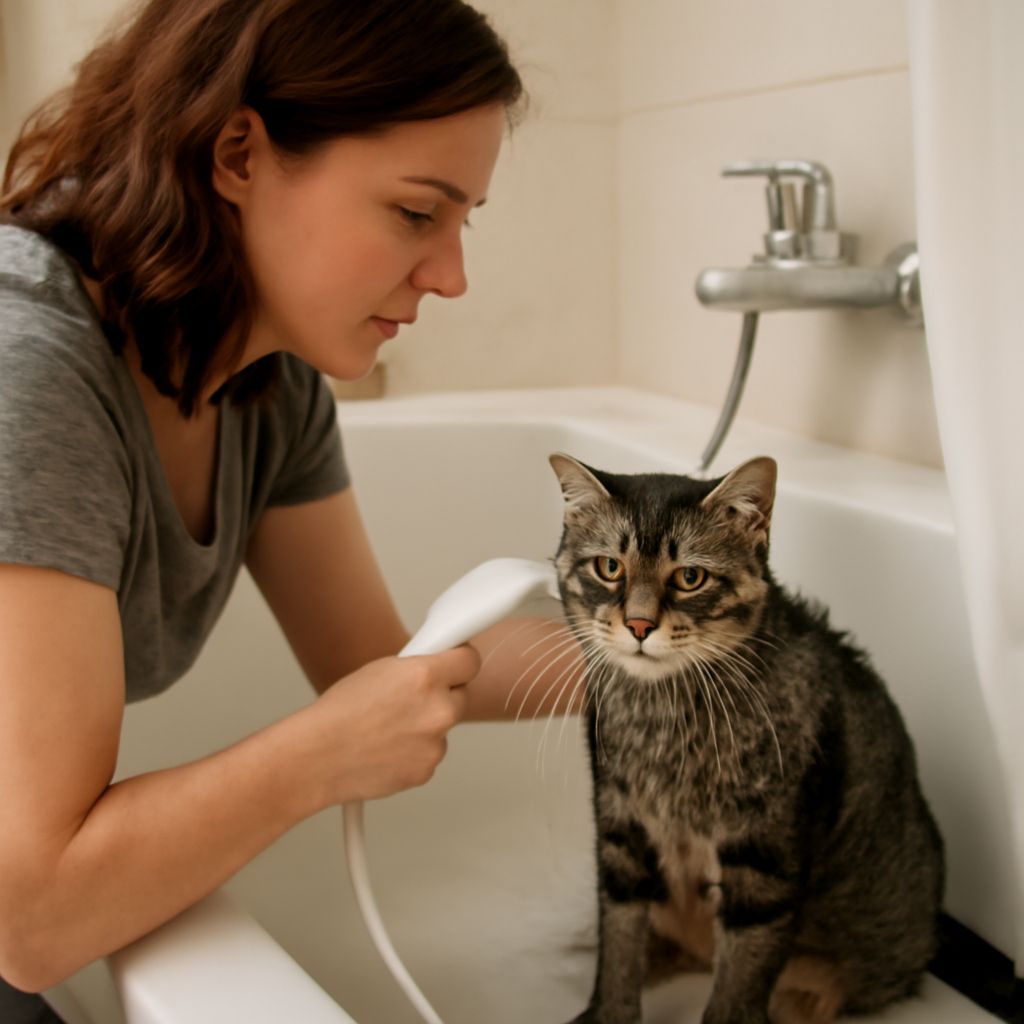
Your cat has gotten into something sticky, or perhaps her coat has developed a dull, slightly greasy look that grooming alone hasn’t resolved. In that moment, you find yourself asking: should I bathe my cat? It’s a question that divides cat owners — some bathe their cats regularly without incident, while others have never attempted it at all. The answer depends on your individual cat’s coat, lifestyle, and health status.
Many cat owners wonder are you supposed to bathe cats as a regular routine, or only in emergencies. Unlike dogs, cats are fastidious self-groomers, but that doesn’t mean bathing is never appropriate or beneficial. Understanding how often to bathe a cat based on coat type and circumstance helps you make the right call. Whether you’re deciding should you wash your cat monthly or just occasionally, and figuring out how often bathe cat sessions should realistically happen, this guide covers all the essentials.
Do Cats Really Need Baths?
For the vast majority of domestic cats, bathing is optional rather than essential. Cats spend an impressive 30–50% of their waking hours grooming themselves, using their barbed tongues to remove dirt, distribute skin oils, and regulate body temperature. That said, there are clear scenarios where a bath becomes genuinely necessary.
How Cats Self-Clean and When It’s Not Enough
Feline saliva contains enzymes that help break down surface dirt and odors, and cats’ flexible spines allow them to reach nearly every part of their bodies. However, self-cleaning has limits. Substances like motor oil, paint, pesticides, or toxic plants need to be removed immediately and thoroughly — your cat’s tongue isn’t sufficient for hazardous materials and licking them could cause poisoning. Obese or arthritic cats may also be unable to groom hard-to-reach areas effectively.
Situations That Call for a Bath Beyond hazardous substances, baths are appropriate when: your cat has a skin condition requiring medicated shampoo as prescribed by a vet; they’ve rolled in something foul-smelling that self-grooming won’t clear; their coat has become heavily matted or excessively oily; or they’re being prepared for a cat show. Some outdoor cats also benefit from periodic washing to remove environmental allergens that could affect sensitive owners.
Understanding Cat Coat Types and Bathing Needs A short-coated domestic shorthair rarely needs more than occasional bathing. A Persian or Maine Coon with a long, dense coat may benefit from more regular washing to prevent matting and oil buildup. Hairless breeds like the Sphynx actually require frequent bathing — typically weekly — because they lack fur to absorb the skin oils that other breeds distribute naturally through their coat.
How Often to Bathe a Cat: A Practical Guide
There’s no universal answer to the question of bathing frequency. The right schedule depends on your cat’s specific coat, lifestyle, and any existing health conditions.
Bathing Frequency for Short-Haired Cats
Most short-haired cats do well with a bath every four to six weeks — or less frequently if their coat stays clean and odor-free between sessions. Many short-haired indoor cats can go several months between baths without any hygiene concerns. A monthly wipe-down with a damp cloth or unscented pet wipe between baths can help maintain coat cleanliness with minimal stress.
Bathing Frequency for Long-Haired Cats
Long-haired breeds benefit from bathing every four to six weeks on average, with some cats needing it as often as every two to three weeks if their coat is prone to oiliness or matting. Regular brushing between baths is essential for preventing tangles that make washing more difficult and stressful for your cat. Sphynx and other hairless cats typically need weekly bathing.
When Medical or Skin Conditions Change the Schedule
Cats with seborrhea, ringworm, or skin allergies may require medicated baths as part of their treatment protocol — sometimes as frequently as twice weekly. Always follow your veterinarian’s specific guidance when bathing a cat for medical purposes, including which shampoos to use and at what dilution.
How to Bathe Your Cat Safely and Stress-Free
Even cats who dislike water can learn to tolerate — or at least endure — baths when the experience is made as calm and predictable as possible. Preparation and technique matter enormously.
Supplies You’ll Need Before You Start
Gather everything before bringing your cat into the bathroom: cat-specific shampoo (never use human shampoo, which has an incompatible pH), a non-slip mat for the sink or tub, a handheld sprayer or large cup, several towels, and a treat or reward for afterward. Trim your cat’s nails a day or two before bathing to protect yourself from reflexive scratching.
Step-by-Step Bathing Process Use lukewarm water — never hot. Wet your cat gradually, working from the shoulders toward the tail, and avoid getting water in the ears or eyes. Apply shampoo in the direction of fur growth, lather gently, and rinse thoroughly. Residual shampoo can irritate skin, so rinse until the water runs completely clear. Work calmly and speak in a soft, reassuring tone throughout.
Drying and Post-Bath Care
Wrap your cat immediately in a warm, dry towel and gently blot — don’t rub — the coat. Keep your cat in a warm, draft-free room until fully dry. Most cats tolerate towel drying better than blow dryers, but if your cat accepts a dryer, use the lowest heat setting and hold it at a safe distance. Brush out the coat once dry to prevent tangles and reward your cat generously for tolerating the process.
Pro tips recap: Most cats don’t need frequent baths — short-haired indoor cats may only need one every month or two, while long-haired and hairless breeds require more regular washing. Always use cat-safe shampoo, keep the water lukewarm, and end every session with a calm reward to build positive associations with bathing over time.