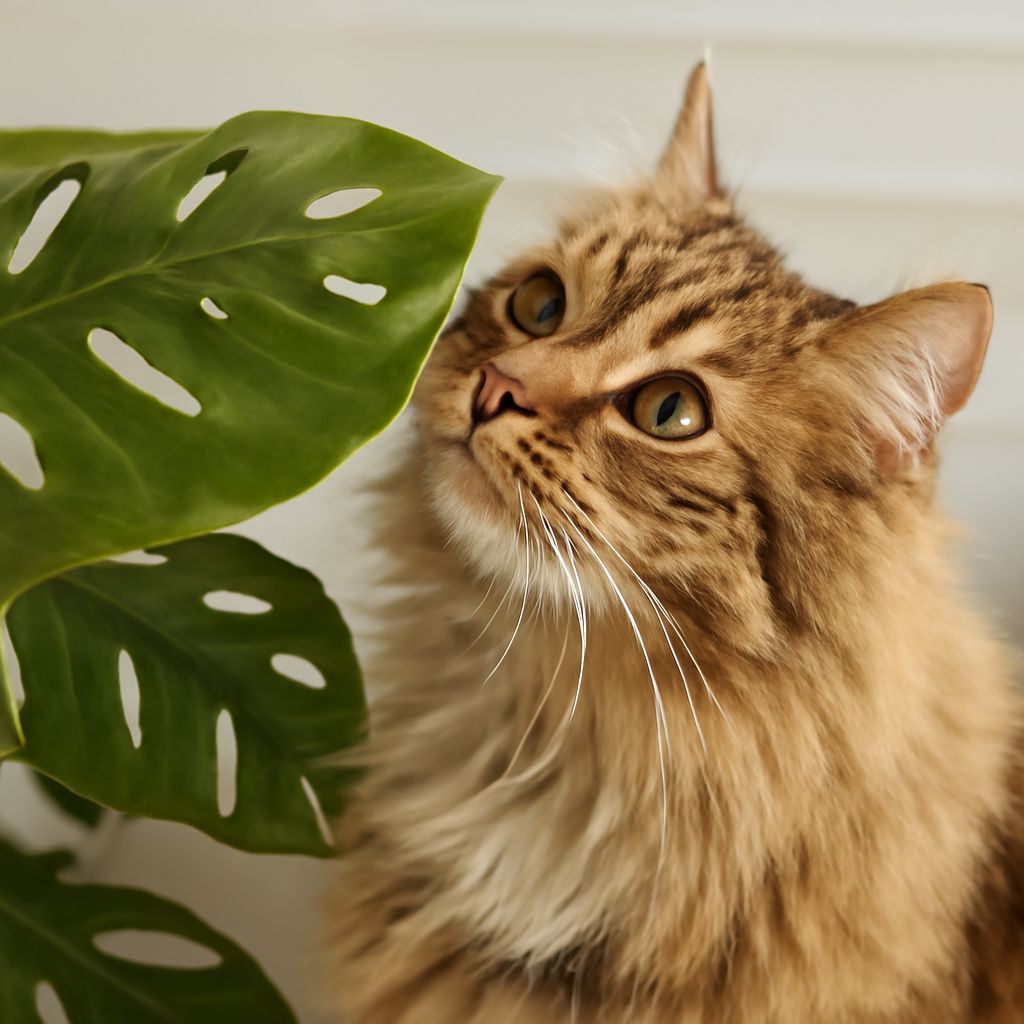
Imagine you are sprucing up your living space with some greenery, and an aloe vera plant catches your eye. You might be wondering, is aloe poisonous to cats? This is a crucial question to consider, especially if you have curious felines roaming around. While aloe vera is renowned for its therapeutic benefits for humans, it raises important concerns for cat owners. If aloe vera is poisonous to cats, understanding potential dangers and taking the right precautions is essential to ensure your pet’s safety.
Understanding Aloe Vera and Its Components
What Makes Aloe Vera Popular
Aloe vera is celebrated for its multitude of benefits, including soothing skin irritations, moisturizing, and aiding in wound healing. Its popularity is largely due to its ease of growth and its application in various home remedies. Many households have aloe plants handy for these reasons.
Chemical Composition of Aloe Vera
The aloe plant contains several components, such as vitamins, enzymes, amino acids, and polysaccharides, which contribute to its healing properties. However, it also contains substances like saponins and anthraquinones, which can be harmful to certain animals, including cats.
Is Aloe Vera Toxic to Cats?
How Aloe Vera Affects Cats
When ingested by cats, the compounds in aloe vera can lead to adverse effects. These can interfere with their digestive system, causing discomfort and other health issues. While aloe’s benefits are widely recognized for humans, they do not translate to safe use for cats.
Symptoms of Aloe Vera Poisoning in Cats
Cats that have consumed aloe vera might exhibit symptoms such as vomiting, diarrhea, lethargy, and in more severe cases, tremors. If you suspect that your cat has ingested any part of an aloe plant, vigilance for these symptoms is vital.
Steps to Take if Your Cat Ingests Aloe Vera
Immediate action should be taken if your cat has consumed aloe vera. Contact your veterinarian without delay for advice tailored to your pet’s situation. While waiting, ensure your cat is comfortable and has access to fresh water. Avoid inducing vomiting unless explicitly instructed by a veterinary professional.
Alternatives to Aloe Vera for Cat Owners
Safe Plants for Cats
For cat-friendly households, consider integrating plants such as spider plants, bamboo palm, or cat grass. These options are non-toxic and can still provide the green aesthetic you desire without compromising your pet’s health.
Tips for Creating a Cat-Friendly Home
In addition to choosing safe plants, ensure that potentially harmful items are out of reach. Use shelves or hanging planters to keep toxic plants away from inquisitive paws. Providing plenty of safe, engaging activities and toys can also discourage your cat from chewing on plants.
Safety recap: If you are a cat owner considering aloe vera for your home, remember that while the plant offers benefits for people, it can pose risks to your pet. Choose cat-safe alternatives and consult your veterinarian if any incidents occur.