You walk into the living room and find a freshly nibbled leaf beside your cat and your new money tree. Before deciding whether the plant is poisonous to cats, check its scientific name. The familiar label “money tree” can belong to more than one plant.
A money tree can be safe around cats when it is Pachira aquatica, a species the ASPCA lists as non-toxic to cats. A jade plant, which sometimes shares the same common name, is toxic. Identification comes first, followed by a look at what your cat actually chewed and whether the plant was recently treated.
Money Tree Safe for Cats: Check the Scientific Name
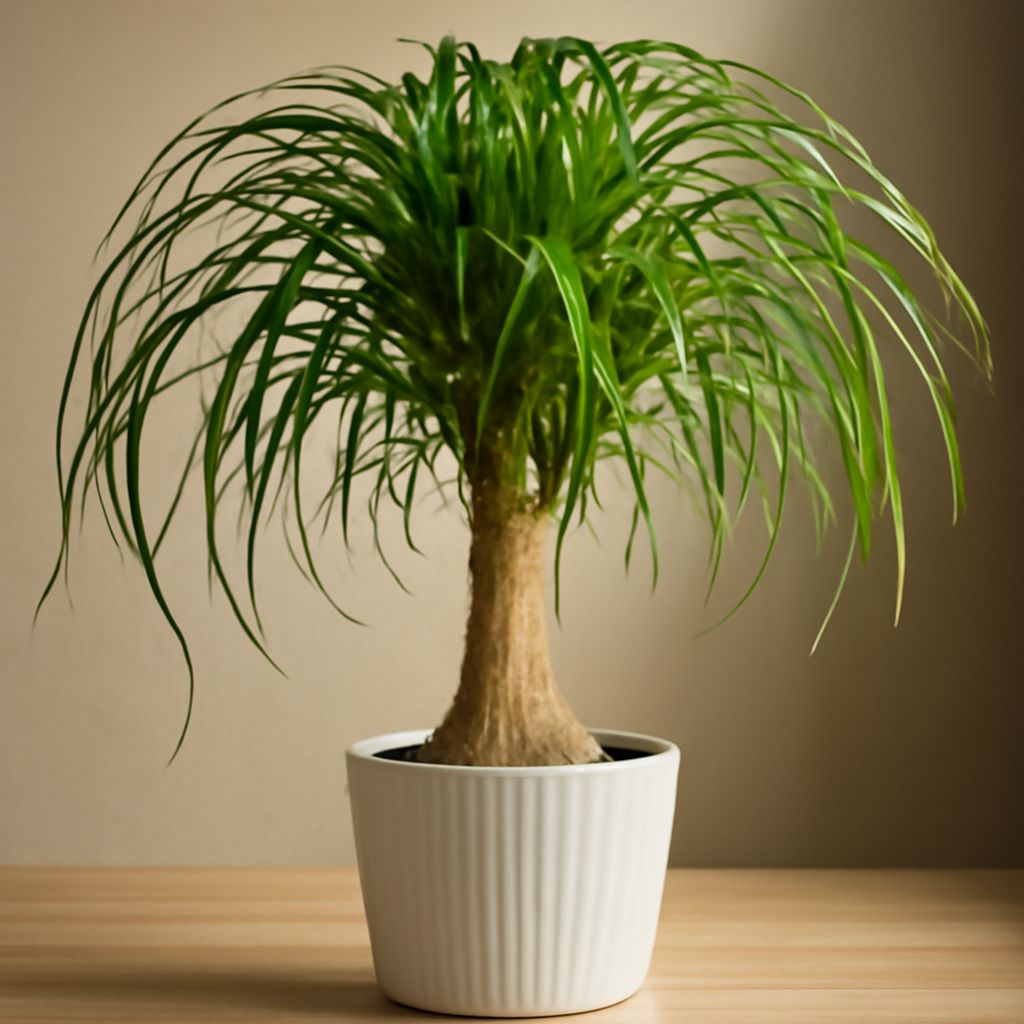
Look for Pachira aquatica on the nursery tag, receipt, or seller’s listing. The ASPCA lists this species as non-toxic to cats. It often has a braided trunk and clusters of long leaflets that spread from a central point, rather like fingers from a palm. Those features are clues, not proof of identity: compare them with a reliable identification and check the scientific name.
Jade plants have thick, fleshy leaves and may also be sold as money plants or money trees. The ASPCA identifies jade as toxic to cats and warns about the shared names. If your plant has no label, ask a nursery or your veterinarian to help identify it; take clear photos of the whole plant, leaves, and stem. Keep it away from your cat while you find out.
The answer to “Is a money tree toxic to cats?” therefore depends on the species. If you think your cat ate jade, an unidentified plant, or a plant you suspect is toxic, contact your veterinarian or an animal poison control service promptly. Do not wait for symptoms to appear.
A Chewed Leaf Is Still Worth Noticing
With Pachira aquatica, cats may brush against the foliage or take an exploratory bite. Non-toxic means the plant is not expected to poison them; it does not make leaves a suitable snack. The ASPCA notes that eating plant material can cause vomiting or digestive upset. Notice how much is missing and whether your cat is behaving normally.
Remove loose pieces from reach and offer fresh water. If your cat has eaten a large amount, is vomiting, or seems uncomfortable, call your vet for advice. Repeated vomiting, marked weakness, or trouble breathing warrants urgent veterinary attention. Do not induce vomiting or give home remedies unless a veterinarian tells you to.
Even if the money tree itself is not toxic to cats, soil, decorative stones, string, and broken pot fragments raise separate concerns. If you see a cat swallow string, leave any visible end alone and call your vet; pulling it can cause injury. Mention any missing pot material when you call.
Consider What You Put on the Plant
Fertilizer, insecticide, leaf shine, and other treatments are separate from the plant’s own toxicity. A product’s ingredients and the amount involved matter. Keep your cat out of the area while applying a treatment, follow the label’s directions, and store the container securely. Prevent access to treated leaves and runoff, following the product’s instructions and your vet’s advice.
If your cat licked a treated leaf or drank from the saucer, contact your vet or a poison control service promptly. Have the product name, ingredients, concentration, and label available, along with the approximate time and amount of exposure. The Pet Poison Helpline recommends seeking advice after fertilizer exposure; different formulations carry different risks.
A money tree safe for cats should still have a stable pot and a spot your cat cannot easily reach. A heavy planter on a secure surface can reduce spills, while a closed room or sturdy barrier can stop repeated chewing. Keep the money tree safely away from your cat by moving it away from shelves she uses as a launchpad.
Watch for Changes and Get Help
If the plant is confirmed to be Pachira aquatica and your cat only brushed against it, simply note any unusual behavior. After chewing, watch for drooling, vomiting, diarrhea, reduced appetite, or a change in energy. If symptoms occur, call your veterinarian and describe what happened. Do not assume a safe money tree for cats rules out irritation from a leaf or exposure to a plant product.
Tell the clinic the plant’s scientific name if known, when the contact happened, how much may have been eaten, and whether anything was applied to the plant or soil. Send a photo or bring the label if asked. For an unknown plant or suspected toxic money tree exposure in cats, make the call promptly; for severe symptoms, go to an emergency veterinarian. Those details help the team decide what care your cat needs.