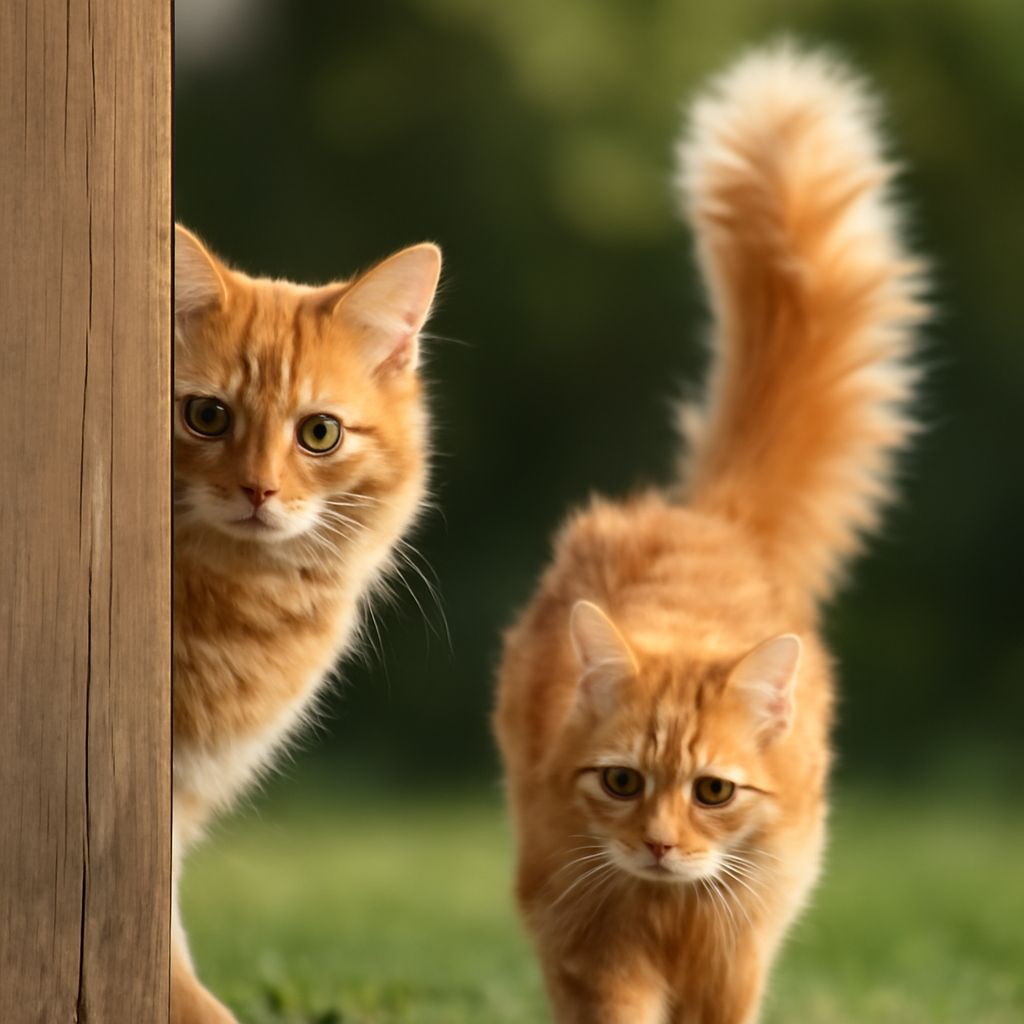
Imagine you’re relaxing in your living room when you notice your cat’s tail twitching. You wonder, why do cats’ tails twitch? Is it a sign of irritation, excitement, or something else entirely? As a cat owner, understanding this behavior is key to enhancing your bond with your feline companion. Exploring the reasons behind a cat tail twitch can help you interpret your cat’s emotions, ensuring a harmonious relationship.
Cats communicate in a variety of ways, and their tail movements are a significant part of this silent dialogue. Whether it’s a subtle flick or a pronounced swish, your cat’s tail is a window into their instincts and senses. By learning more about why a cat’s tail twitches, you can become more attuned to their needs and respond appropriately, creating a more comfortable environment for both you and your pet.
The Basics of Cat Tail Twitching
What Is Cat Tail Twitching?
Cat tail twitching is a behavior that can range from a gentle flick to an intense movement. This twitching is a form of non-verbal communication used by cats to express various states of mind, including excitement, frustration, or focus. The exact motion can vary from slight, rhythmic movements to more vigorous swishes.
Common Reasons for Cat Tail Twitching
There are several reasons why a cat might twitch its tail. Often, this behavior is linked to the cat’s environment or internal emotional state. Cats might twitch their tails when they’re intrigued by a situation, such as spotting a bird through the window, or when they are mildly annoyed, like when they grow weary of petting. Understanding these common reasons helps in interpreting what your cat might be trying to communicate.
Why Do Cats’ Tails Twitch?
Instinctive Behaviors Behind Cat Tail Twitching
Instinct plays a significant role in why cats exhibit tail twitching. It is part of their evolutionary toolkit for survival. For instance, a quick tail twitch might signal readiness to pounce or heightened alertness when hunting. Moreover, such movements can help maintain balance and agility, crucial for a predator like the cat.
Emotional Triggers for Cat Tail Movement
While innate behaviors drive many tail movements, emotional responses are equally important. Cats often twitch their tails when experiencing heightened emotions, such as anticipation, annoyance, or even contentment. By observing the context of these movements, such as during a play session or when being groomed, you can better understand your cat’s emotional state.
Understanding Different Types of Tail Twitches
Subtle vs. Pronounced Tail Twitches
The degree of tail twitching can also signal different meanings. A subtle twitch might indicate that a cat is mildly interested or slightly annoyed, while more pronounced movements can signal strong emotions, such as excitement or anger. Distinguishing between these types of twitches is crucial for interpreting your cat’s behavior accurately.
What Your Cat Is Communicating
Through their tail movements, cats communicate a wide range of messages. A gently swishing tail may indicate relaxation, while a rapidly moving tail can suggest agitation or overstimulation. By paying attention to the nuances of tail movement and the situation at hand, cat owners can better understand the messages their feline friends are sending.
How to Respond to a Twitching Cat Tail
Interpreting Your Cat’s Signals
When you notice your cat’s tail twitching, consider the surrounding context and your cat’s overall body language. Signs like dilated pupils, ear position, and vocalizations can provide additional clues regarding their mood. Understanding these signals is essential for interacting appropriately with your cat.
Tips for Cat Owners
To ensure a positive interaction, respect your cat’s boundaries and watch for signs of stress or discomfort. If your cat exhibits pronounced tail twitching accompanied by signs of irritation, it might be best to give them space. Conversely, engaging in play or offering affection might be appropriate if the tail movements appear related to excitement or happiness.
Key takeaways: Understanding cat tail twitching involves recognizing the nuances of different movements and the contexts in which they occur. By tuning into your cat’s signals, you can foster a deeper connection and ensure their comfort and well-being.