
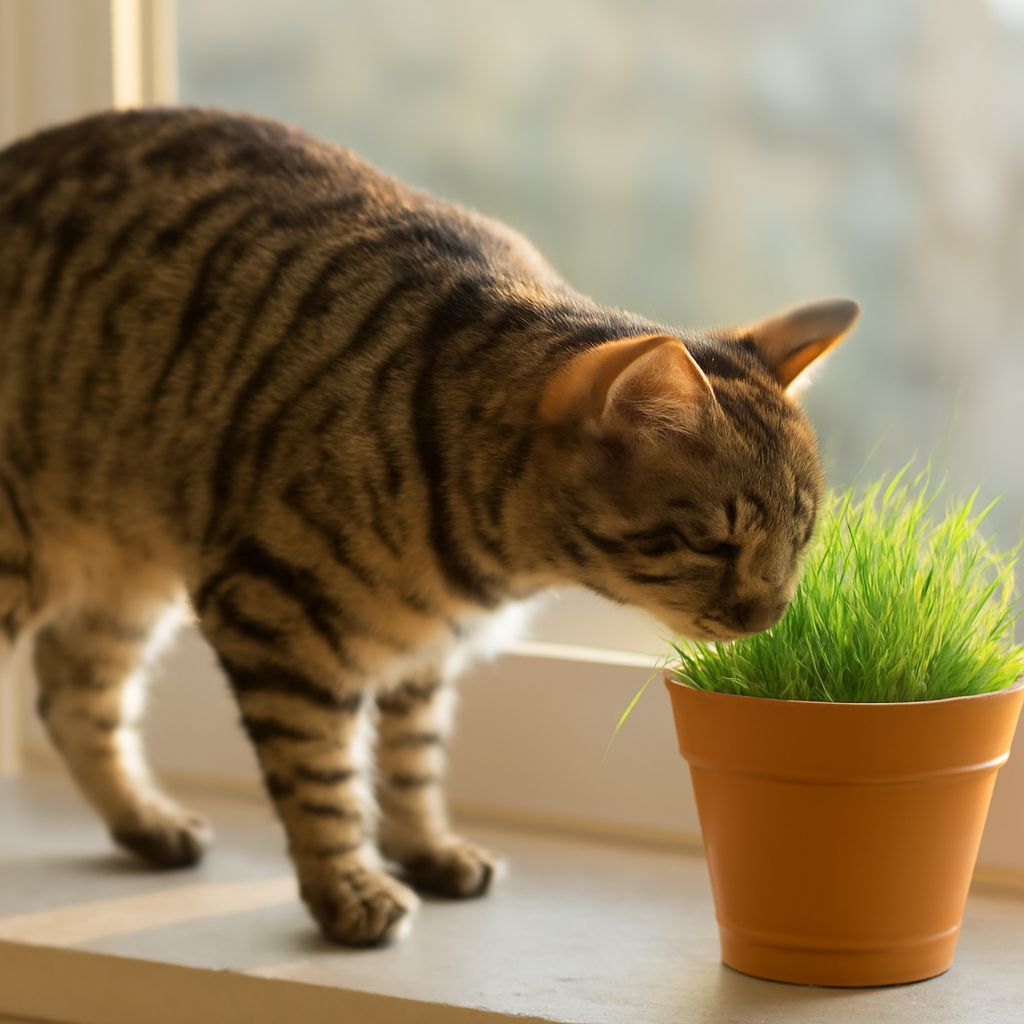
Imagine coming home to find your curious cat nibbling on a leafy green plant. You’re not sure if it’s safe, but you quickly recognize it as an aloe plant. You can’t help but wonder, “Is aloe safe for cats? Is this just a harmless snack, or should you be worried?” As a cat owner, understanding the potential risks and benefits of your houseplants, including aloe vera, is crucial for the well-being of your feline friend. In this article, we’ll explore whether the aloe vera plant poses a threat to your furry companion and what alternatives you can consider for a safer home environment.
Is Aloe Safe for Cats?
Many plant enthusiasts appreciate the aesthetic and health benefits of aloe vera, but when it comes to cats, caution is advised. Aloe contains compounds called saponins, which can be toxic to cats if ingested. While aloe plants are not immediately lethal, they can cause significant discomfort and health issues, such as diarrhea and vomiting in felines. Therefore, keeping aloe out of reach is a prudent choice for pet owners.
Understanding Aloe’s Effects on Cats
The effects of aloe on cats are primarily gastrointestinal. When a cat consumes parts of the aloe plant, the saponins interfere with their digestive processes, resulting in symptoms like nausea and abdominal pain. The degree of reaction can vary depending on the amount ingested and the size of the cat. It’s essential to monitor any unusual behavior or symptoms if you suspect your cat has eaten aloe.
Is Aloe Bad for Cats or Just Aloe Vera?
While there are many species of aloe, the variety most commonly found in homes is aloe vera. It’s important to note that it’s not just aloe vera that can be problematic; many forms of aloe contain similar toxic compounds. Therefore, the same precautions should be applied to any aloe species that you might have in your home or garden.
Why Aloe and Cats May Not Mix
Cats are naturally curious and might find the texture and taste of aloe intriguing. However, the potential for digestive upset makes aloe a poor choice for homes with cats. Even though some holistic health trends suggest aloe for medicinal purposes, these are typically geared toward human use and do not account for the unique physiology of cats. Keeping aloe away from cats is a preventive measure that ensures their safety and health.
Alternatives to Aloe for Cats
For cat owners looking to enjoy greenery without the risks, there are several cat-friendly alternatives to aloe. Consider plants like spider plants, Boston ferns, and bamboo palms, which are generally safe for cats. These plants not only add beauty to your home but also provide a worry-free environment for your pets. Engaging your cat with cat grass or catnip is another fantastic way to satisfy their craving for greens.
What to Do If Your Cat Ingests Aloe
If you discover that your cat has consumed aloe, it’s important to act promptly. Monitor them closely for any symptoms of distress, such as vomiting or lethargy. Providing water can help dilute the toxins, but do not induce vomiting unless instructed by a veterinarian. Contact your vet immediately for professional guidance tailored to your cat’s condition. Early intervention can prevent more severe complications and ensure your cat returns to normal promptly.
Next steps: To maintain a safe environment for your cat, conduct regular checks of your indoor and outdoor plants. Familiarize yourself with the plants that are safe and those that are risky. Consider creating designated areas for pet-friendly vegetation that your cat can enjoy safely, and always keep emergency contact information for your veterinarian handy.