Imagine you’re observing your beloved feline, and you notice an unusual rash or irritation on their skin. You start to wonder if this is due to a food allergy or something else affecting your cat’s well-being. Cat food allergies can lead to a variety of symptoms, including digestive issues and skin irritations, which might be the cause of your cat’s discomfort. Understanding food allergies in cats becomes crucial when your furry friend is facing these challenges.
As you delve deeper into the world of feline health, knowing how to identify and manage food allergies can truly make a difference for your pet. This journey involves recognizing symptoms that might suggest your cat is allergic to food and exploring the ways to manage and prevent these allergies effectively. Join us as we unravel the complexities surrounding food allergies in cats, ensuring your feline companion enjoys a healthier life.
What Are Food Allergies in Cats?
Understanding Cat Food Allergy
Food allergies in cats occur when their immune system mistakenly identifies a food ingredient as harmful, triggering an allergic response. This reaction can lead to various health issues, including skin problems and digestive disturbances. Understanding these allergies is vital for any cat owner who wants to ensure their pet’s wellness.
Causes of Cat Food Allergies
Cat food allergies often stem from proteins such as beef, chicken, or fish commonly found in commercial cat foods. Sometimes, cats may develop sensitivities to grains or additives, which can exacerbate allergic reactions. Identifying the causes of food allergies is the first step towards alleviating your cat’s discomfort.
Identifying Cat Food Allergy Symptoms
Common Symptoms of Food Allergies in Cats
The symptoms of food allergies in cats can be diverse. Common signs include itching, skin irritations, and redness. Digestive issues such as vomiting or diarrhea are also prevalent among allergic cats. Recognizing these symptoms promptly can lead to faster management and relief for your pet.
Signs Your Cat Is Allergic to Food
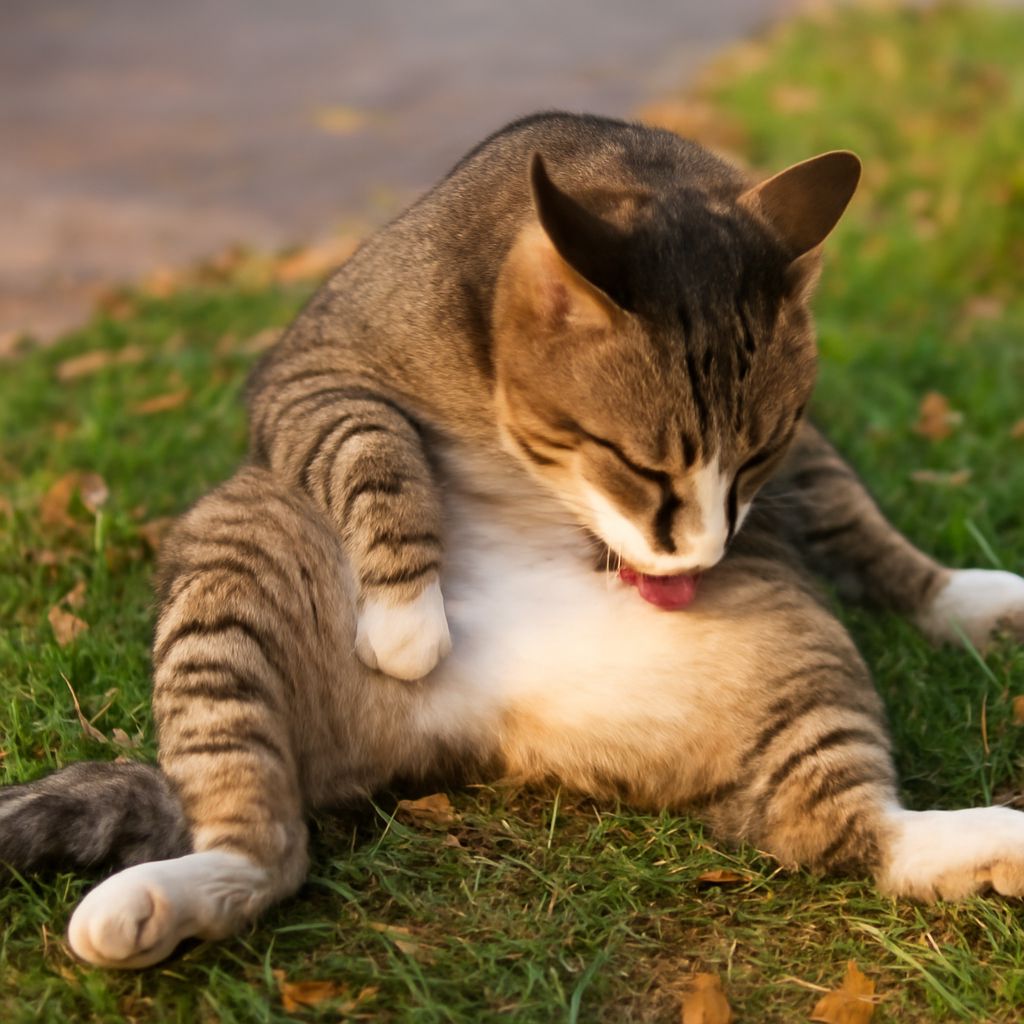
If your cat frequently experiences skin issues or gastrointestinal disturbances, it could indicate a food allergy. Other signs might include excessive scratching or licking, hair loss, or ear infections. Monitoring these signs is essential to determine whether your cat is suffering from an allergy.
Managing Cat Food Allergy
Dietary Changes
One of the most effective ways to manage cat food allergies is by implementing dietary changes. Switching to hypoallergenic cat food or trying a novel protein diet can help minimize allergic reactions. Always introduce new foods gradually to avoid further digestive upset.
Consulting a Veterinarian
Consulting with a veterinarian provides professional insight into managing food allergies in cats. A veterinarian can offer advice on suitable dietary changes, conduct allergy tests, and prescribe medications if necessary. Professional guidance is invaluable in ensuring your cat receives the best care possible.
Preventing Food Allergies in Cats
Choosing the Right Food
Prevention starts with selecting the right food for your cat. Opting for high-quality, limited-ingredient foods can reduce the risk of developing allergies. Regularly reviewing food labels and staying informed about potential allergens is essential for proactive pet care.
Regular Health Check-Ups
Regular health check-ups are crucial for preventing food allergies in cats. These visits allow veterinarians to monitor your cat’s health, catch any early signs of allergies, and make timely recommendations. Consistent health evaluations contribute to long-term wellness and comfort for your feline.
Next Steps: Addressing food allergies in cats requires diligence and commitment. Begin by closely observing your cat’s reactions to different foods and consult with a veterinarian for tailored advice. Implement changes gradually and monitor results. Regularly reviewing your cat’s diet and scheduling health check-ups will aid in maintaining their well-being.