
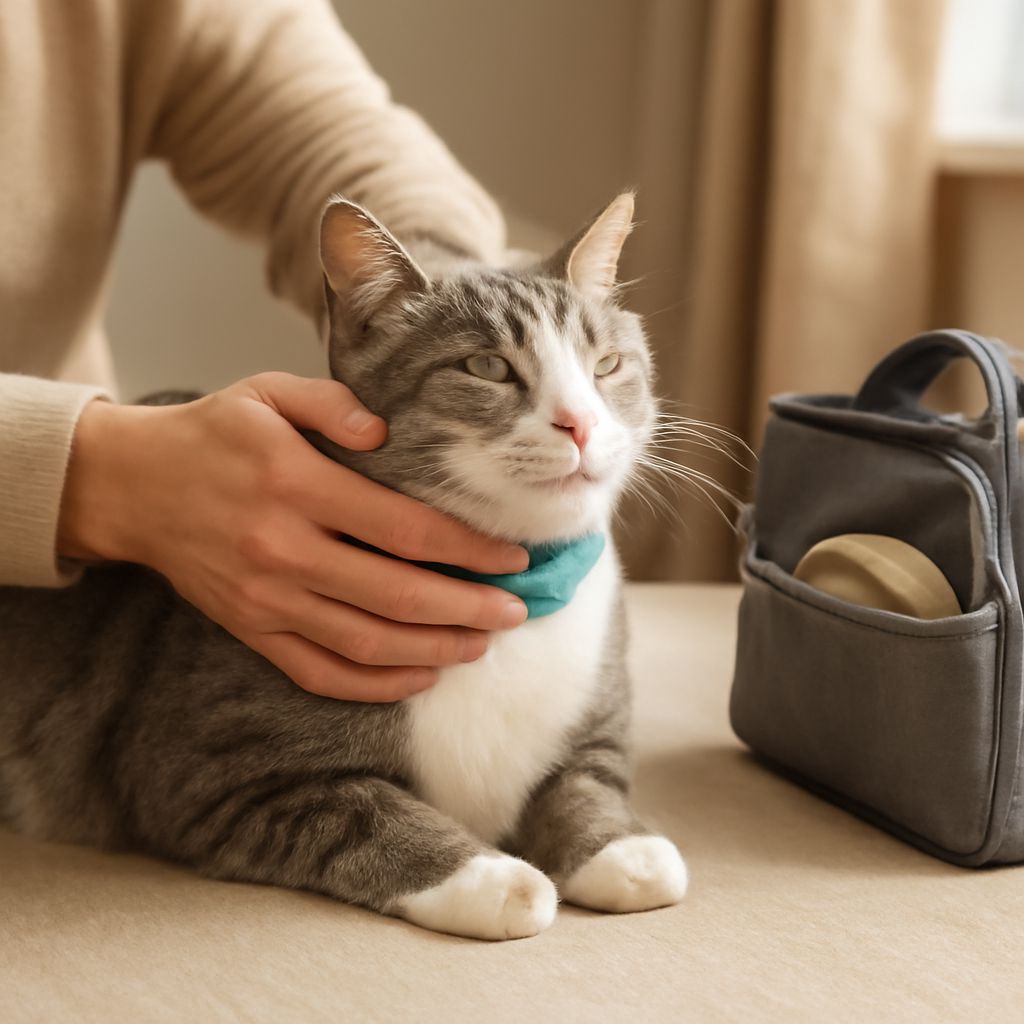
Imagine coming home after a long day only to find your feline companion hiding under the bed. As you call out softly, you realize that your furry friend is not just playing hide and seek. Your cat seems stressed and anxious, and you’re not sure how to help. You wonder if there are specific techniques to calm down for cats that could alleviate their discomfort. Understanding how to help a stressed cat is crucial for their well-being, and you want to learn more about how to sedate a cat for grooming if necessary.
Stress in cats is not uncommon, and while they are masters of disguise, their anxiety can manifest in various ways. In this guide, we’ll explore effective ways to help a stressed cat, whether it’s through immediate actions or long-term solutions. Let’s dive into the world of feline comfort and discover the best approaches to destress your pet.
Understanding Cat Stress and Anxiety
Causes of Stress in Cats
Cats experience stress for numerous reasons, which can include changes in their environment, introduction to new animals, or even minor disruptions in their daily routine. Identifying the root cause is the first step in providing relief. For example, a move to a new home or the addition of another pet can trigger anxiety.
Signs Your Cat is Stressed
Recognizing the signs of stress is vital. Common indicators include hiding, excessive grooming, and changes in eating or litter box habits. Some cats may become unusually aggressive or vocal. Observing these behaviors can guide you in determining how to help your feline friend.
How to Help a Stressed Cat with Immediate Actions
Creating a Safe Environment
Ensuring your cat has a safe, quiet space to retreat is essential. Providing a cozy, secure area filled with familiar items can help reduce their anxiety. Remove any stressors if possible and allow your cat time to adjust.
Engaging Your Cat in Play
Interactive play can be an effective way to alleviate stress. Use toys that stimulate their senses and encourage natural hunting behaviors. Playtime not only distracts your cat from stressors but also strengthens your bond with them.
How to Destress a Cat with Long-Term Solutions
Diet and Supplements
A balanced diet rich in nutrients can positively affect your cat’s mood. Consider supplements that promote relaxation, but always consult your veterinarian before introducing new products.
Routine and Consistency
Cats thrive on routine. Maintaining a consistent schedule for feeding, play, and rest helps minimize anxiety. Predictability in their life can provide a sense of security and stability.
Calm Down for Cats: Techniques and Tools
Aromatherapy and Music
Aromatherapy with cat-safe essential oils can create a calming environment. Additionally, playing soothing music specifically composed for cats can help reduce stress levels.
Using Calming Products
There are various products designed to calm anxious cats, such as pheromone diffusers and calming collars. These tools can be particularly useful during stressful events like travel or vet visits.
How to Sedate a Cat for Grooming Safely
Consulting Your Veterinarian
If your cat requires sedation for grooming, always seek advice from a veterinary professional. They can recommend safe methods and dosages tailored to your cat’s needs.
Natural Sedation Options
For a more holistic approach, consider natural sedatives such as herbal supplements or homeopathic remedies. These alternatives can provide a gentle sedative effect without harsh chemicals.
Safety Recap: When using tools or products to manage cat stress, always prioritize safety. Consult with a veterinarian before introducing new items, and pay attention to your cat’s reactions to ensure their comfort and well-being.