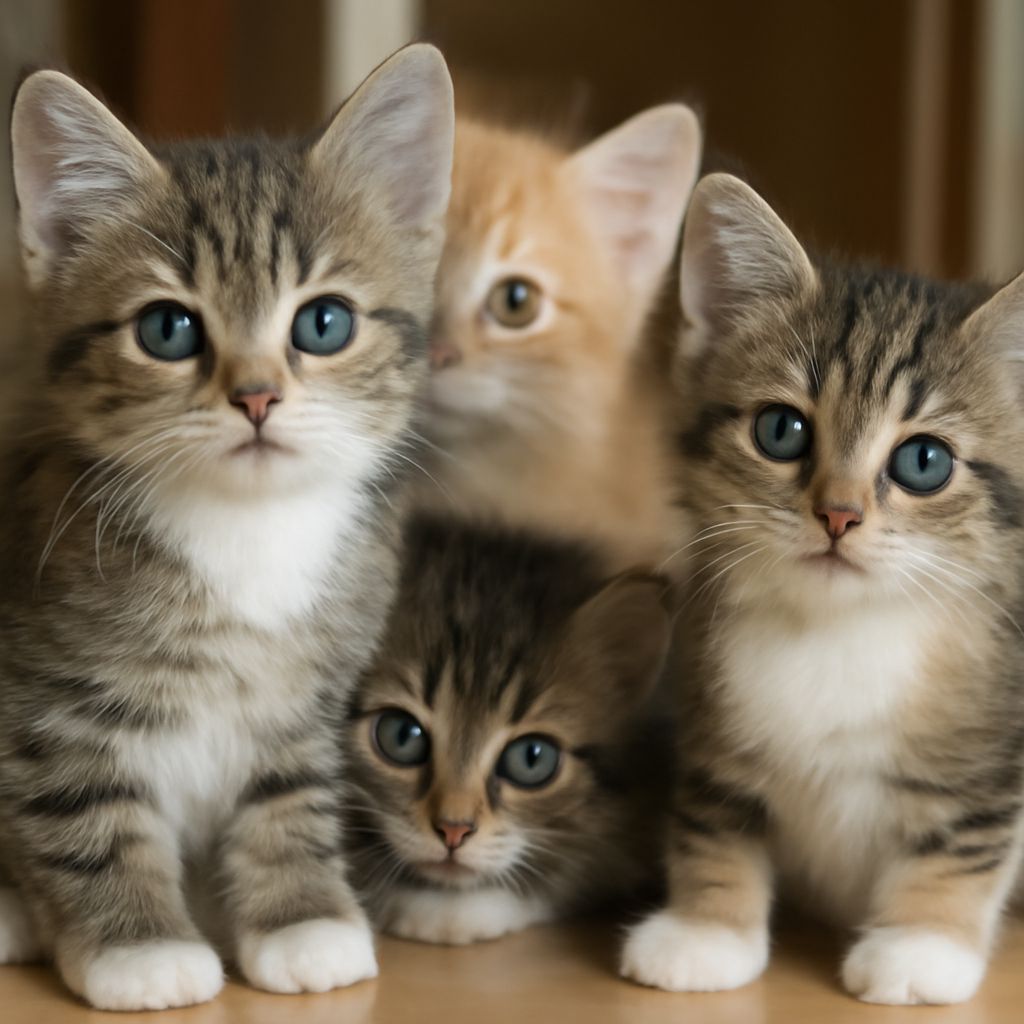
Imagine watching your cute little kitten darting around the living room with boundless energy. You’ve noticed just how quickly they’re growing, and you might wonder, “How long do cats grow before they reach their full size?” You’ve also found yourself asking, “At what age do cats stop growing?” It’s a journey of curiosity as you observe the stages of your feline friend’s life, always wondering when does a cat stop growing. Get ready to explore the fascinating world of feline development and discover the factors that influence your kitty’s growth.
Understanding Cat Growth Stages
Kittenhood: Birth to 6 Months
The initial phase of a cat’s life, known as kittenhood, spans from birth to approximately six months. During this period, kittens experience rapid growth and development. It’s a time filled with adorable antics and immense curiosity. In these early months, the bones and muscles are developing quickly, and you might notice your kitten doubling in size from week to week.
Adolescence: 6 to 12 Months
As kittens transition into adolescence, their growth pace begins to slow down, though they continue to mature. This stage is marked by increased independence and playfulness. Adolescents may appear lanky and awkward as they grow into their limbs, but they retain their kitten-like energy and curiosity.
Adulthood: 1 to 2 Years
Once a cat reaches one year of age, it enters adulthood. By this time, many cats have reached their near full size, although some breeds continue to mature and fill out until they are two years old. This stage is characterized by a more settled demeanor and established physical proportions, signaling the end of their primary growth phase.
Factors Influencing How Long Do Cats Grow
Breed and Genetics
Genetics plays a crucial role in determining how long cats continue to grow. Some breeds are naturally larger and may take longer to reach their full size. For instance, Maine Coons are well-known for their extended growth periods, sometimes taking up to four years to fully mature.
Nutrition and Diet
The type and quality of food consumed can significantly influence a cat’s growth trajectory. Cats on a balanced diet rich in essential nutrients tend to reach their growth milestones more predictably. Providing a diet that fulfills their caloric and nutritional needs is vital for healthy development.
Health and Environment
A cat’s overall health and the environment it grows up in also play crucial roles. Illness or inadequate care can stunt growth or delay development, while a nurturing environment with plenty of stimulation can promote healthy progress.
When Does a Cat Stop Growing?
Typical Growth Timeline
Most cats stop growing between 12 to 18 months. However, this timeline can vary depending on factors such as breed and health. Smaller breeds typically reach their full size sooner compared to larger breeds, which may continue to develop for a bit longer.
Signs Your Cat Has Stopped Growing
Once your cat has ceased gaining weight and height for several months, they have likely stopped growing. Adult cats often settle into a steady weight range and exhibit no further significant increases in size over time.
How Fast Do Cats Grow?
Average Growth Rate in Different Breeds
The rate at which cats grow can differ significantly across breeds. While some cats, like Siamese, may reach full maturity by one year, others, such as the Maine Coon, may not complete their growth until much later. This breed-specific growth variability is a fascinating aspect of feline development.
Tips to Support Healthy Growth
To support your cat’s healthy growth, provide a nutritious diet tailored to their life stage, ensure regular veterinary check-ups, and offer an environment rich in stimulation and safe exploration opportunities. Encouraging physical activity and social interaction can also aid in their development.
Safety recap: When caring for growing cats, always prioritize nutritional needs and monitor their health closely. Providing a safe, enriching environment is essential for their well-being and development.