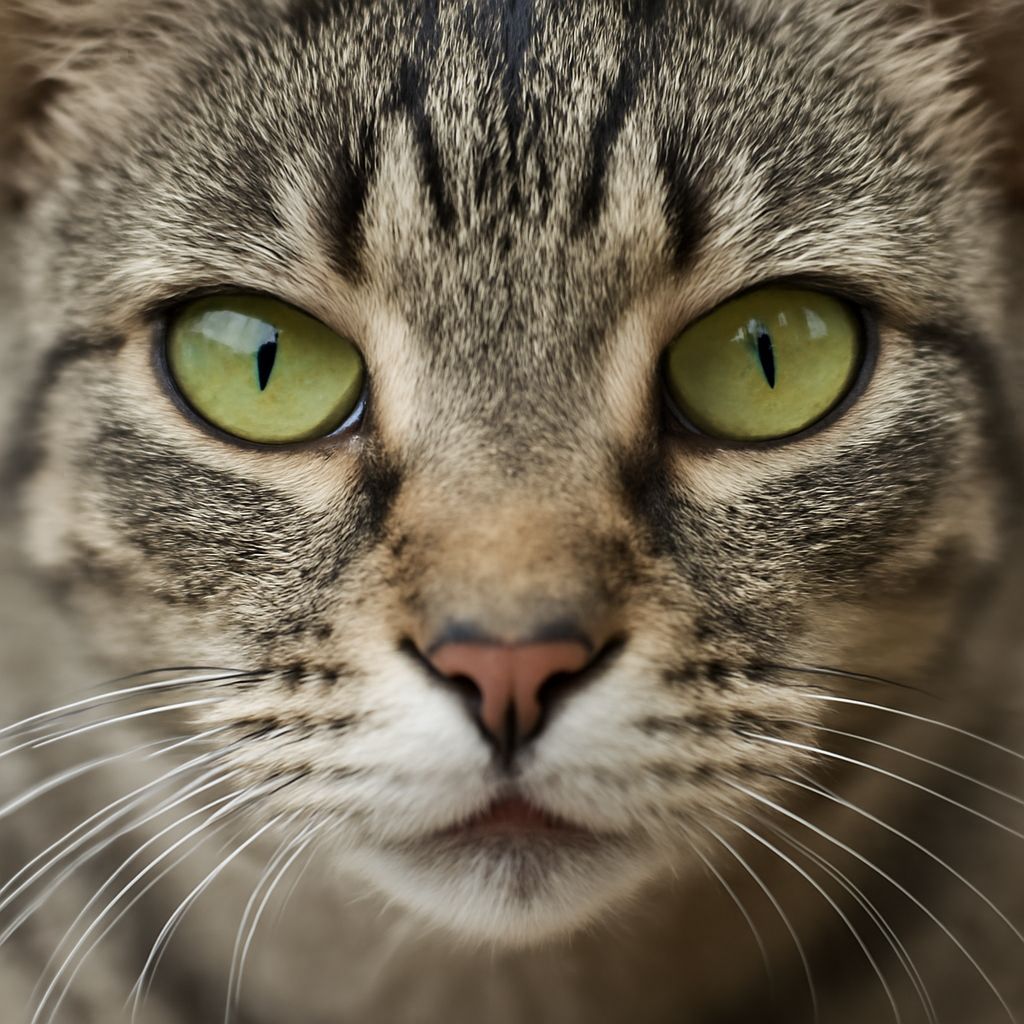
Imagine you’re lounging on the couch, your cat curled up at your feet. Suddenly, she lifts her head and fixes her gaze upon you. Her cat eyes meaning seems enigmatic, yet, as you observe closely, you notice her pupils have expanded. You wonder, why do cats’ eyes get big? In such moments, understanding what wide eyes signify can enhance your connection with your feline friend and provide insights into her behavior and mood.
Cat eyes speak volumes, revealing emotions ranging from curiosity to fear. As you delve deeper into the meaning behind these expressions, you’ll discover how changes in eye structure, often denoting varied moods, can be an indication of your pet’s physical and emotional state. Let’s explore the subtle language hidden in those captivating eyes.
The Basics of Cat Eye Meaning
The Anatomy of a Cat’s Eye
The anatomy of a cat’s eye is truly fascinating. Cats have a unique ocular structure that allows them to see well in various lighting conditions. Their large corneas and elliptical pupils maximize the amount of light entering the eye, enhancing vision in dim environments. This adaptation is crucial for nocturnal hunting. The tapetum lucidum, a reflective layer behind the retina, amplifies incoming light, giving cats their characteristic glow in the dark.
Common Expressions and Their Meanings
Felines communicate through a complex range of eye expressions. A slow blink often signifies trust and affection, essentially a cat’s way of saying ‘I love you.’ Conversely, a direct, unblinking stare can denote tension or aggression, especially if accompanied by other stress signals like ear flattening. Recognizing these subtle cues can foster a more harmonious relationship with your pet.
The Role of Pupil Dilation
Pupil dilation in cats is a powerful indicator of their emotions and intentions. Dilated pupils may occur when a cat is excited or stimulated, possibly when engaging in play or spotting prey. Alternatively, constricted pupils can signify a relaxed state or, inversely, heightened aggression. Understanding these shifts is crucial for interpreting your cat’s feelings accurately.
Why Do Cats Eyes Get Big?
Situations that Cause Pupil Dilation
Several situations can cause a cat’s pupils to dilate. Environmental factors like dim lighting can naturally prompt pupil enlargement to enhance vision. On the other hand, sudden noises or movements might trigger a fight-or-flight response, prompting pupils to expand as part of heightened alertness. Recognizing these factors can help in creating a calming environment for your cat.
Emotional Triggers Behind Wide Eyes
Emotions play a significant role in pupil dilation. Excitement, curiosity, or even fear can lead to enlarged pupils. For instance, when a cat is intrigued by a new toy or wary of an unfamiliar visitor, the eyes often reveal these feelings through dilation. By observing these emotional triggers, you can better cater to your pet’s needs and ensure her comfort.
Health Concerns Related to Cat Eye Changes
Persistent changes in a cat’s eye structure might signal health issues. Conditions such as glaucoma or uveitis can lead to abnormal pupil dilation or constriction. If you notice consistent or asymmetrical changes in your cat’s pupils, it may warrant a veterinary consultation to rule out medical concerns. Staying vigilant about these signs can ensure your feline’s well-being.
Interpreting Cats Eyes Meaning in Daily Life
Signs of Contentment and Relaxation
Contentment is often mirrored in a cat’s eyes. Softly squinting eyes, along with relaxed body posture, usually indicate a satisfied and calm feline. A cat lying with half-closed eyes in a safe environment is typically at ease, enjoying her surroundings without concern.
Indicators of Stress or Aggression
Stress and aggression can also be visible in your cat’s eyes. Wide eyes, coupled with a tense body and twitching tail, often signal anxiety or readiness to defend. It’s important to identify these signs early and remove potential stressors to maintain a peaceful home environment.
When to Consult a Veterinarian
If your cat exhibits unusual eye expressions consistently, it may be time to consult a veterinarian. Signs such as sudden squinting, persistent dilation, or discoloration could indicate underlying health problems. Prompt professional advice can help address issues before they escalate, ensuring your pet’s health and happiness.