
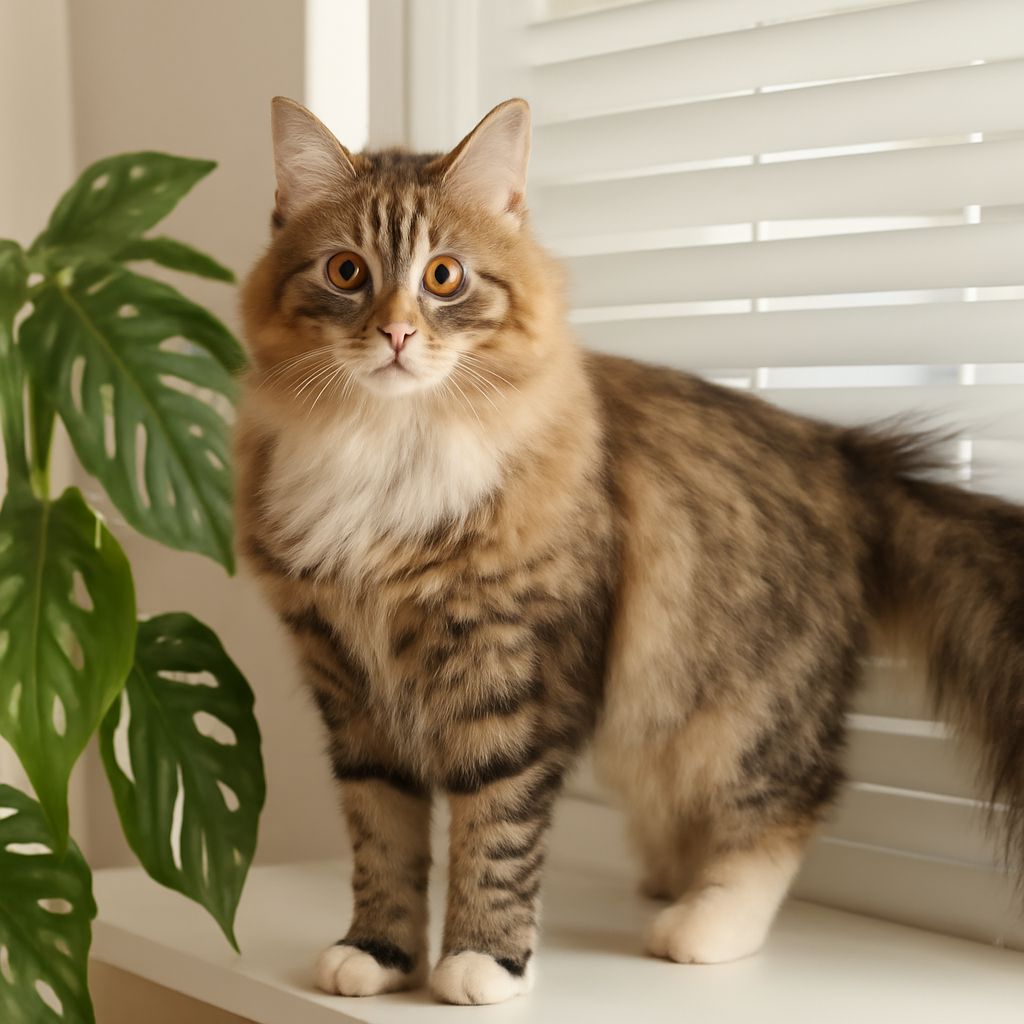
Imagine coming home from a long day at work, eager to relax with your furry feline curled up on your lap, when you notice some chewed aloe leaves scattered around your living room. Panic sets in—are aloe plants poisonous to cats? As a responsible pet owner, you want to ensure your cat’s safety. Understanding the potential risks of aloe cats interactions can help you take the necessary steps to protect your beloved pet from harm.
In this article, you will discover the truth about aloe vera plants and their impact on cats, learn how to identify signs of aloe poisoning, and explore safe plant alternatives that won’t jeopardize your feline friend’s health. By gaining insight into these aloe-related concerns, you can create a safer and more pleasant environment for your pets.
Understanding Aloe Vera and Its Components
What Makes Aloe Vera Popular?
Aloe vera is a well-regarded plant known for its succulent leaves filled with a gel-like substance. This versatile plant has been used for centuries due to its healing and soothing properties. It is commonly found in households, thanks to its reputation for aiding in skin care, improving air quality, and being easy to maintain.
Key Components of Aloe Vera
The aloe plant is composed of various compounds, including vitamins, minerals, amino acids, and enzymes. Among its key components are anthraquinones, a group of chemical compounds known for their laxative effect. While these compounds are beneficial to humans in certain contexts, they can pose risks to cats.
Potential Toxicity of Aloe Vera
Despite its benefits for humans, aloe vera can be toxic to cats. The anthraquinones found in the plant can irritate a cat’s digestive system. When ingested, these substances can cause adverse reactions, making it crucial to keep aloe vera out of reach of your furry companions.
Are Aloe Plants Toxic to Cats?
How Aloe Affects Cats
Aloe vera can have harmful effects on cats when consumed. The plant’s anthraquinones can cause gastrointestinal disturbances in felines, leading to discomfort and health complications. Aloe toxicity may manifest in various ways, from mild irritation to more severe symptoms.
Signs of Aloe Poisoning in Cats
If a cat ingests aloe, you may notice symptoms such as vomiting, diarrhea, lethargy, and changes in urine color. These signs indicate that your cat’s body is reacting to the aloe’s toxic compounds and requires prompt attention to prevent further health issues.
Immediate Actions if Ingested
Should you suspect your cat has ingested aloe, it’s crucial to act quickly. Remove any remaining plant material, and encourage your cat to drink water to help flush out toxins. Avoid attempting any home remedies that could exacerbate the situation.
Consulting a Veterinarian
In cases where a cat shows symptoms of aloe poisoning, contact your veterinarian immediately. Professional advice is essential to determine the best course of action and treatment. Timely intervention can be critical to your cat’s recovery and well-being.
Safe Alternatives to Aloe Vera for Cats
Cat-Friendly Plants
Fortunately, there are numerous plants safe for cats that you can incorporate into your home. Examples include spider plants, Boston ferns, and cat grass. These non-toxic alternatives can provide a cheerful and secure environment for your pets to explore.
Aloe Vera Substitutes for Cats
If you appreciate the benefits of aloe vera but worry about its toxicity, consider substitutes like chamomile, rosemary, or lavender. These plants offer similar soothing properties without the risk of poisoning your feline friend.
Creating a Safe Environment for Cats
To ensure your cat’s safety, develop a plant-friendly strategy in your home. Place houseplants on high shelves or use hanging planters out of your cat’s reach. Regularly inspect areas accessible to your pets and educate household members about the risks certain plants pose to cats.
Next Steps: Now that you understand the risks associated with aloe vera and cats, take proactive steps to protect your feline friend. Replace toxic plants with cat-safe alternatives and seek guidance from your veterinarian if you suspect any adverse reactions. Keeping informed and vigilant will help maintain a safe, healthy environment for your beloved pet.