
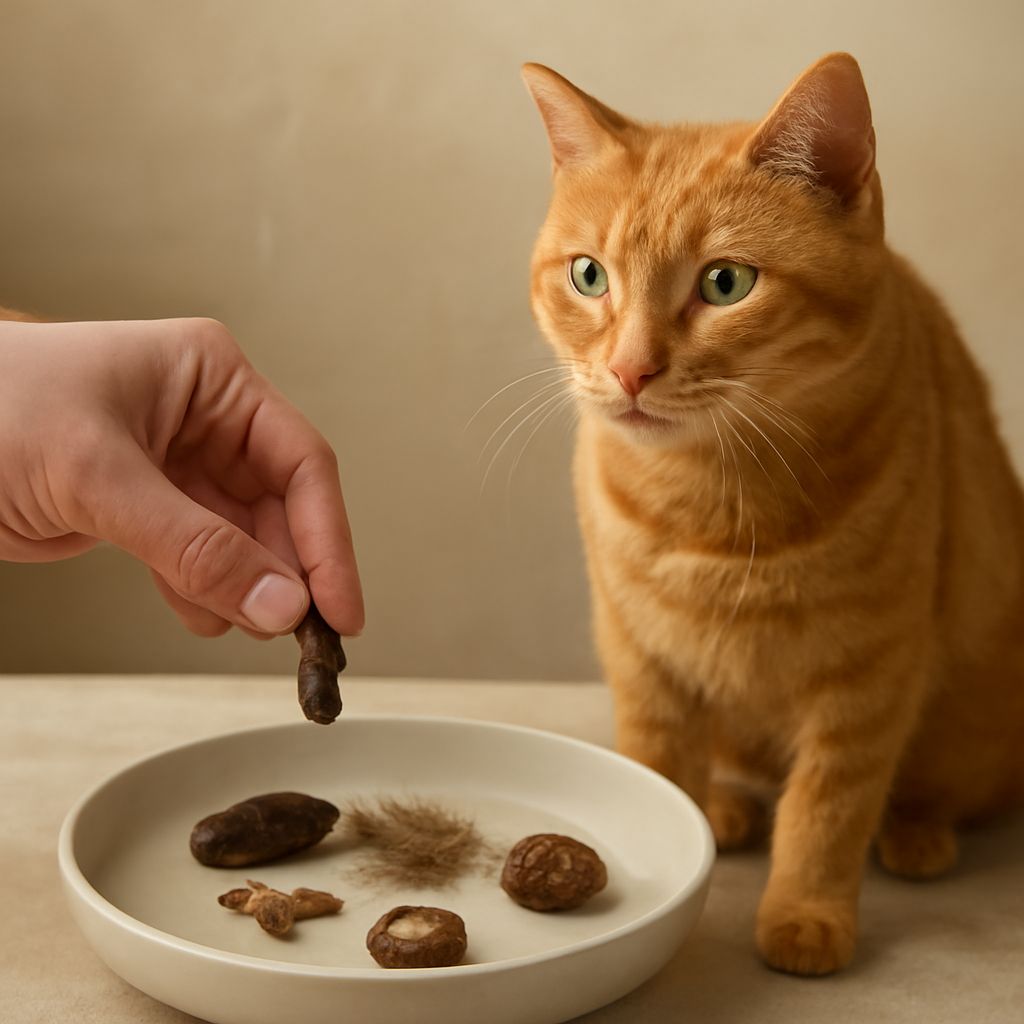
Imagine coming home after a long day only to be greeted by an unpleasant aroma and a messy litter box. Your cat dashes past you, seemingly unaware of the chaos left behind. You can’t help but wonder, why does my cat have diarrhea? As you begin to clean up, you consider the potential causes of cat diarrhea, from something as simple as dietary changes to more complex issues like stress or underlying health conditions. Understanding these factors can help you address your cat’s runny poop effectively and ensure their health and happiness.
Cat Diarrhea Causes
Dietary Changes
Switching your feline’s food too quickly can lead to gastrointestinal upset. Cats have sensitive stomachs, and sudden changes in their diet can cause diarrhea. Even introducing new treats or table scraps might result in loose stools. It’s essential to transition food gradually to avoid disrupting their digestive system.
Infections and Parasites
Infections caused by bacteria or viruses can lead to diarrhea in cats. Additionally, parasites such as Giardia or worms are common culprits, especially in kittens or outdoor cats. Regular veterinary check-ups and timely deworming can prevent such issues.
Stress and Anxiety
Cats are creatures of habit, and disruptions to their environment can cause stress, leading to gastrointestinal disturbances like diarrhea. Stressors may include moving house, the introduction of new pets, or changes in household routine. Ensuring a calm and stable environment can mitigate these effects.
Underlying Health Conditions
Chronic illnesses such as inflammatory bowel disease (IBD) and hyperthyroidism can result in recurrent diarrhea. If diarrhea persists for more than a couple of days, it’s crucial to consult a veterinarian to rule out serious conditions.
What Causes Diarrhea in Cats?
Common Causes
Aside from dietary indiscretion and infections, common causes of feline diarrhea include ingestion of toxins or foreign objects. Curiosity might lead cats to chew on plants or other materials that upset their stomach.
Less Common Causes
Less frequently, diarrhea might be a sign of more severe conditions such as cancer or liver dysfunction. Although these instances are rarer, they underline the importance of monitoring your cat’s health and seeking professional advice when needed.
Causes of Cat Diarrhea
Environmental Factors
Changes in a cat’s environment, such as moving homes or the introduction of new family members, can cause stress-induced diarrhea. Maintaining a predictable routine can help alleviate these triggers.
Food Allergies or Intolerances
Some cats may develop allergies or intolerances to specific ingredients in their food, such as grains or certain proteins. Identifying these allergens through elimination diets can help in managing their symptoms effectively.
Medication Side Effects
Certain medications, like antibiotics, can disrupt the natural balance of bacteria in your cat’s gut, leading to diarrhea. Discussing potential side effects with your veterinarian before starting any medication is advisable.
How to Manage When Your Cat Has Runny Poop
Immediate Actions
Ensure your cat stays hydrated, as diarrhea can quickly lead to dehydration. Provide fresh water and consider offering electrolyte solutions if your vet recommends it.
Dietary Adjustments
Temporarily switching to a bland diet, such as boiled chicken and rice, can help stabilize your cat’s digestion. Gradually reintroduce their regular food once their stool begins to firm up.
Veterinary Care
If diarrhea persists beyond 24-48 hours, a visit to the veterinarian is crucial. They may conduct tests to determine the underlying cause and prescribe medication or dietary changes to manage the condition effectively.
Key takeaways: Understanding the potential causes of diarrhea in cats, from dietary changes to stress, is crucial for effective management. Always consult a veterinarian if symptoms persist, and take gradual steps to ensure your feline’s digestive health.