
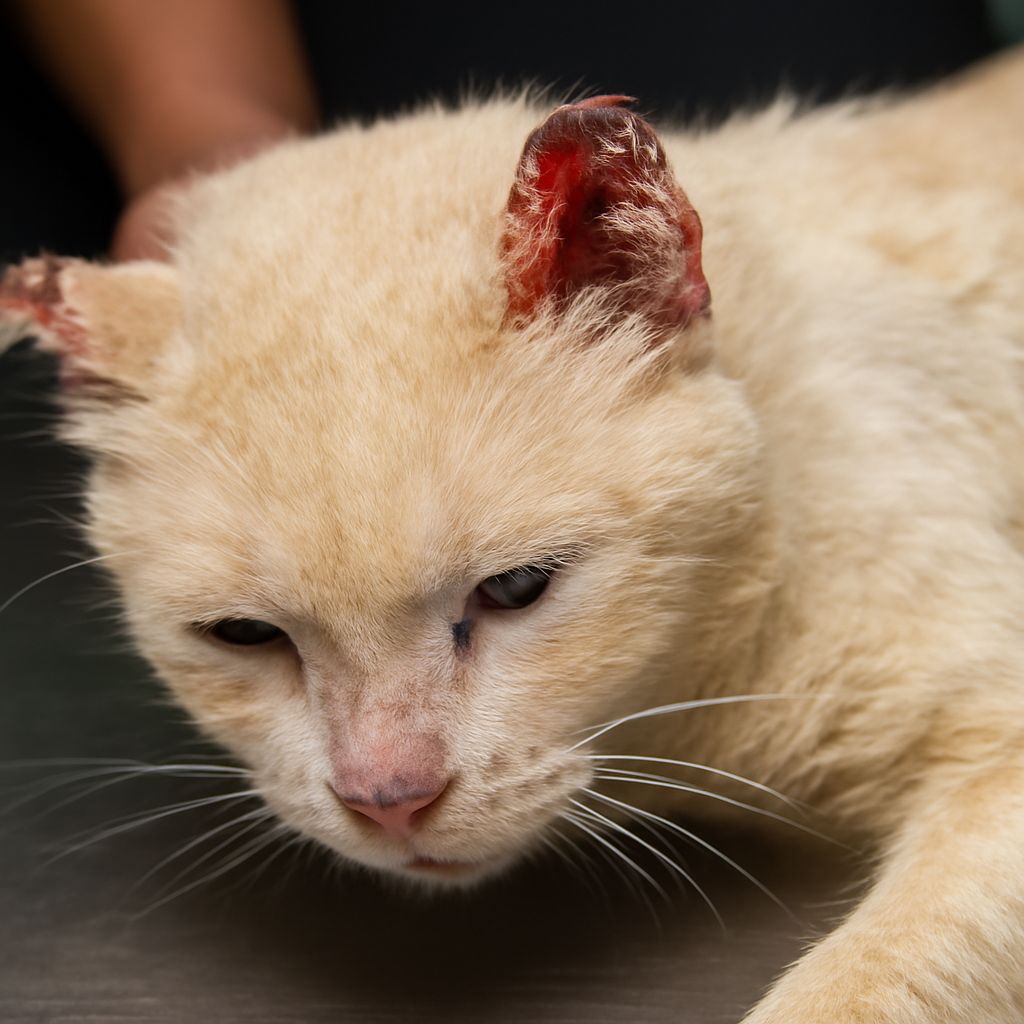
You’re gently petting your cat when you suddenly feel it—a lump on his neck just under the skin. Panic sets in as thoughts race through your mind: “Is this serious? Could it be a lump on his side too? What if it’s something dangerous under his chin?” Before you jump to conclusions, take a deep breath. Lumps on a cat’s neck can be caused by many factors, some benign and others requiring attention. This article will guide you through understanding these lumps and what steps to take next.
Understanding Different Types of Lumps on Cats
Identifying Common Locations for Lumps
The most frequent spots where lumps emerge include the neck, under the chin, and sometimes even the side of the stomach. These lumps can have various textures and sizes. It’s important to note the exact location and any changes over time, as this provides crucial information for a veterinarian.
When to Be Concerned About a Lump
While not all lumps are a cause for alarm, certain characteristics should prompt concern. If a lump is rapidly growing, feels hard, or is accompanied by other symptoms like weight loss or lethargy, it’s time to consult a professional.
Causes of a Lump on a Cat’s Neck
Infections and Abscesses
One common cause of lumps is infections which can lead to abscesses. These are typically filled with pus and can be tender to touch. They often result from bites or scratches that become infected.
Benign and Malignant Tumors
Not all tumors are cancerous. Benign tumors, like lipomas, are generally harmless but can be bothersome if they grow too large. Malignant tumors, however, require immediate veterinary attention as they can be aggressive and potentially life-threatening.
What to Do If You Find a Lump on Your Cat’s Neck
Initial Steps to Take
Begin by gently examining the lump, noting its size, shape, and firmness. Monitor for changes over a few days, as transient swelling could simply be an allergic reaction or minor injury.
When to Consult a Veterinarian
If the lump persists beyond a week, grows in size, or your cat shows signs of discomfort, contact your veterinarian. Early diagnosis can lead to more effective treatment.
Diagnosis and Treatment Options for Cat Lumps
Diagnostic Procedures
Veterinarians may perform a series of diagnostic tests, including fine-needle aspiration or biopsy, to determine the nature of the lump. These tests provide a clear picture of whether the lump is benign or malignant.
Treatment Plans and Prognosis
Treatment varies depending on the diagnosis. Infections might require antibiotics, while benign tumors may only need monitoring. Malignant tumors could necessitate surgery or chemotherapy. Prognosis depends on the type and stage of the tumor.
Preventing Lumps on Cats
Regular Health Check-Ups
Routine veterinary check-ups can catch potential issues early, before they escalate. Regular visits ensure your cat’s overall health is monitored, reducing the risk of unnoticed lumps.
Maintaining a Healthy Diet
A balanced diet is crucial for your cat’s health. Adequate nutrition supports the immune system and can prevent various health issues, including some types of tumors.
Frequently Asked Questions About Cat Lumps
Common Concerns Among Cat Owners
Many cat owners worry about lumps due to the potential for cancer. While this is a possibility, it’s important to remember that many lumps are benign and treatable.
Addressing Myths and Misconceptions
It’s a myth that all lumps are cancerous. Many owners fear the worst, but numerous lumps are benign or caused by minor issues like infections or injuries.
Key takeaways: If your cat has a lump on his neck, monitor it diligently. Early veterinary consultation is crucial for persistent or concerning lumps. Regular health checks and a nutritious diet can help prevent many issues.