
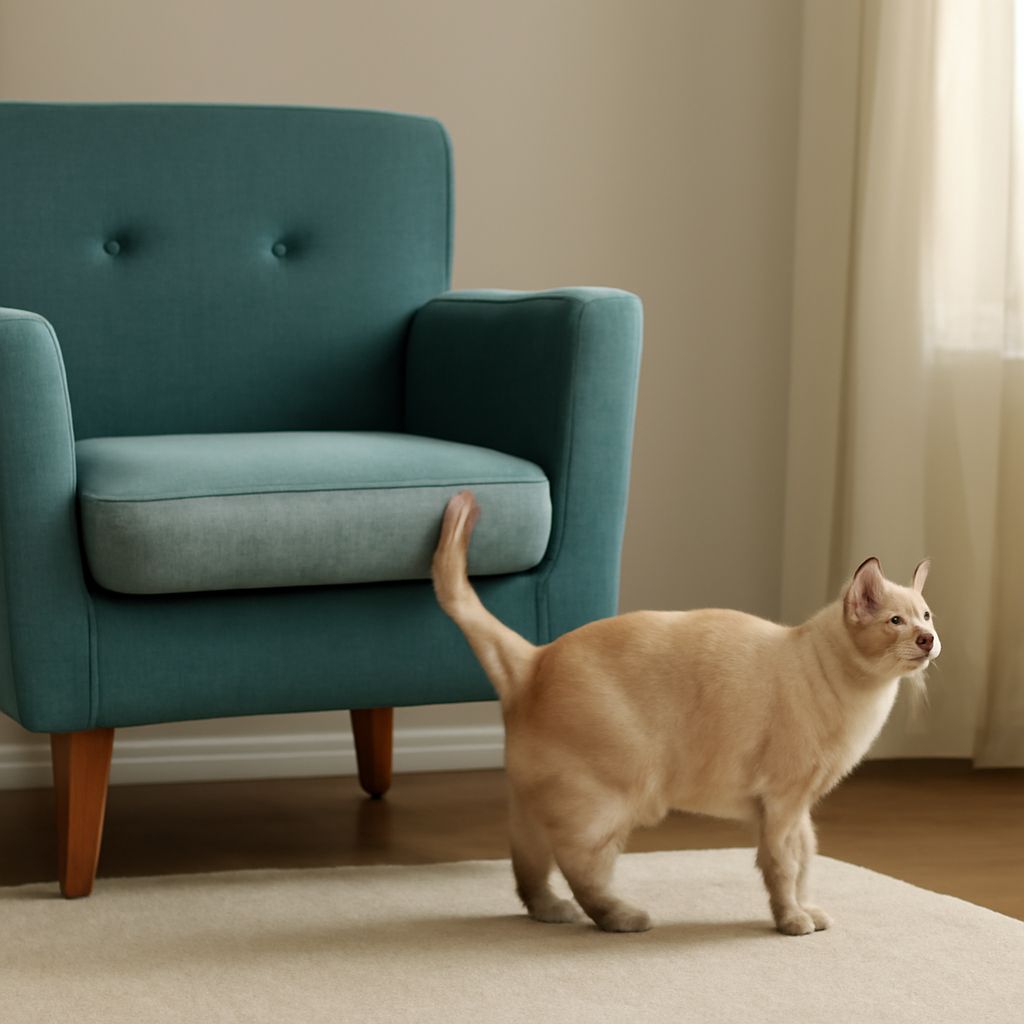
Imagine coming home after a long day, hoping to relax, but instead, you’re greeted with the unmistakable scent of cat spray. It’s a scenario that many cat owners dread, causing stress and frustration. Understanding how to keep a cat from spraying is essential for maintaining a peaceful home environment. Whether you’re dealing with a new cat who hasn’t fully adjusted or a longtime feline friend suddenly exhibiting spraying behavior, knowing how to keep cats from spraying can save you from a lot of hassle.
Spraying is a natural behavior for cats, but when it happens indoors, it can become a major issue. To stop cat spraying, you need to approach the problem with effective techniques, which often start with understanding its root cause. With the right strategies, you can address these issues and enjoy a more harmonious relationship with your cat.
Understanding Why Cats Spray
What is Cat Spraying?
Cat spraying refers to the act of a cat marking its territory by releasing a small amount of urine in various locations. It is distinct from regular urination as it is typically directed onto vertical surfaces and does not involve squatting. Cats spray to communicate with others, marking their territory and conveying messages through scent.
Common Reasons for Spraying
There are several common reasons why cats might start spraying. A primary cause can be stress or changes in their environment, such as moving to a new home or the introduction of another pet. Cats may also spray due to conflicts with other animals or if they feel threatened. Additionally, intact cats, particularly males, are more prone to spraying as a way to attract mates.
Difference Between Spraying and Urinating
It is crucial to distinguish between spraying and urinating. While spraying is a territorial behavior, urinating is a basic bodily function. Spraying involves the cat standing with a quivering tail and depositing urine on vertical surfaces, whereas urinating typically involves squatting and releasing urine on horizontal surfaces. Identifying the behavior correctly is the first step in addressing it.
How Environment Affects Spraying
The environment plays a significant role in a cat’s spraying behavior. Cats are territorial creatures, and any disruption or perceived threat in their territory can trigger spraying. Ensuring that your cat feels secure in its environment, with access to resources such as food, water, and private spaces, can help reduce the likelihood of spraying.
How to Stop Cats from Spraying
Behavioral Modifications
Behavioral modifications can be an effective way to address spraying. Spend quality time with your cat to help reduce stress and build a positive relationship. Use interactive play to expend excess energy and provide mental stimulation. Encourage positive behavior with rewards like treats and affection.
Using Deterrents and Repellents
Deterrents and repellents can be helpful in keeping cats from spraying in unwanted areas. Products that emit a scent or noise can discourage cats from marking specific spots. Ensure these are safe for pets and use them consistently in problem areas to reinforce boundaries.
Cleaning Techniques to Prevent Spraying
Thoroughly cleaning areas where your cat has sprayed is essential to prevent future incidents. Use enzymatic cleaners specifically designed to eliminate urine odor, as these break down the proteins in the urine that attract cats to respray. Avoid using ammonia-based cleaners, as they can mimic the smell of urine.
Creating a Stress-Free Environment
Creating a stress-free environment can greatly reduce spraying behavior. Ensure your cat has access to quiet, safe spaces and introduce changes gradually. Maintain a consistent routine for feeding and playtime to provide stability. Consider using pheromone diffusers, which can have a calming effect on cats.
Consulting a Veterinarian
If spraying continues despite your efforts, consulting a veterinarian is advisable. They can rule out medical conditions that may contribute to spraying, such as urinary tract infections. A vet can also provide advice on behavioral interventions or medication if needed.
How to Keep a Cat from Spraying in the Future
Maintaining a Routine
Maintaining a consistent routine is key to preventing future spraying incidents. Cats thrive on predictability, so regular feeding and play schedules can help minimize stress. Routine can also make it easier to detect changes in behavior that may indicate stress or health issues.
Importance of Neutering
Neutering is one of the most effective ways to prevent spraying, especially in male cats. This procedure reduces the drive to mark territory and can significantly decrease or eliminate spraying behavior. Consult your veterinarian to determine the appropriate time for neutering your cat.
Providing Proper Litter Box Options
Ensure your cat has access to clean, appropriate litter boxes. The number of litter boxes should equal the number of cats you have, plus one. Place them in quiet, accessible areas to encourage use. Regularly clean and maintain the litter boxes to promote good habits.
Monitoring Health and Behavior
Regularly monitoring your cat’s health and behavior is crucial to preventing spraying. Look for signs of stress, illness, or discomfort, and seek veterinary advice if you notice any changes. Keeping your cat healthy and happy is the best prevention against unwanted behaviors like spraying.
Safety Recap: When using deterrents or cleaning products, ensure they are safe for pets. Create a calm environment and seek veterinary advice if spraying persists.