
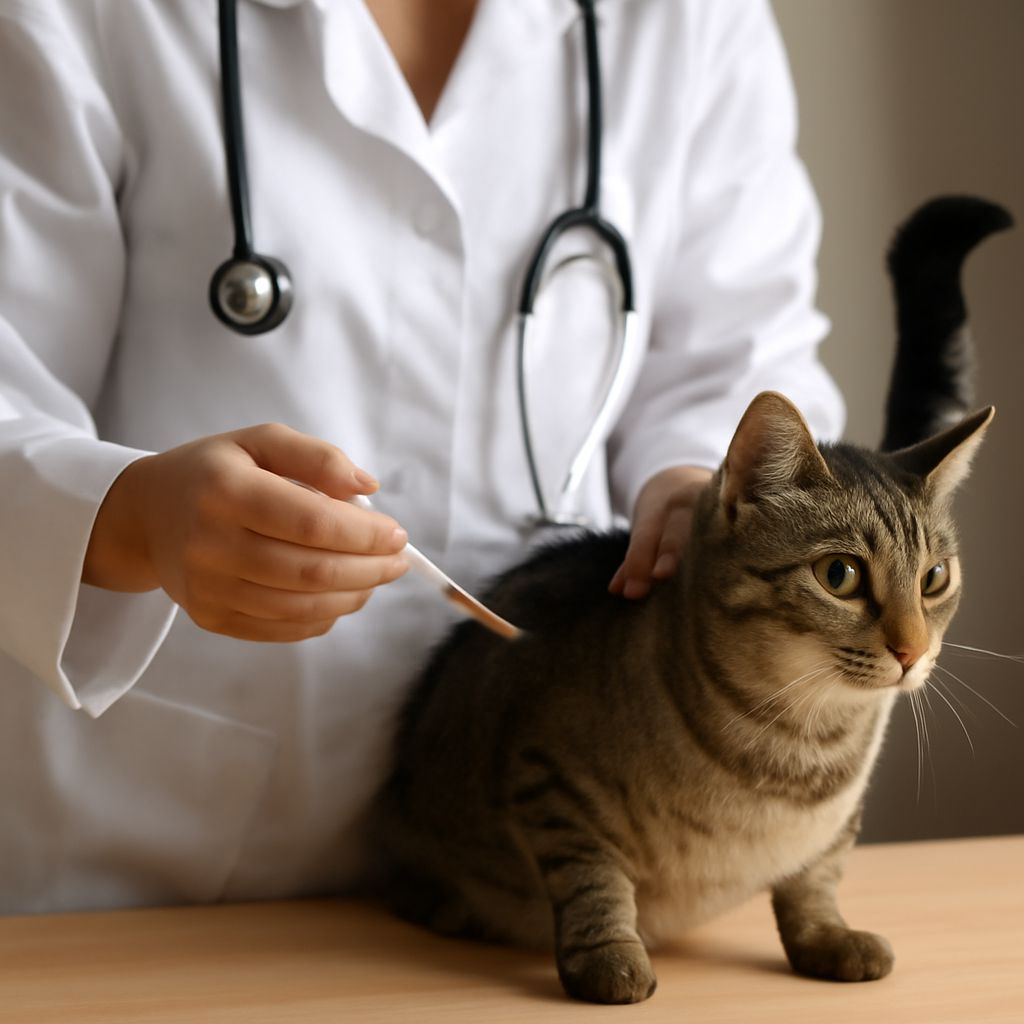
Imagine it’s a sunny afternoon and your playful feline friend is basking in the garden. Suddenly, a stray animal approaches, sparking curiosity in your pet. As a responsible pet owner, you understand the importance of ensuring your cat is protected against potential threats. The rabies shot for cats is not merely a legal requirement; it’s a crucial step in safeguarding their health. But why are these rabies shots for cats so vital, and how often do cats need rabies shots to ensure they’re adequately protected?
Understanding the Cat Rabies Vaccine
What Is the Cat Rabies Vaccine?
The cat rabies vaccine is a preventive measure designed to protect felines from the rabies virus, a potentially fatal disease affecting the nervous system. This vaccine is typically administered through injection and is essential for both indoor and outdoor cats.
How Does the Rabies Shot for Cats Work?
The rabies shot for cats introduces a small, inactivated portion of the virus into your cat’s body. This exposure stimulates the cat’s immune system to produce antibodies, offering protection against future encounters with the virus. Consequently, vaccinated cats develop immunity, significantly reducing the risk of contracting rabies.
Benefits of Rabies Shots for Cats
Rabies shots for cats provide numerous benefits. Primarily, they ensure your pet’s immunity against a disease that is nearly always fatal once symptoms appear. Moreover, vaccinated cats contribute to public health by reducing the risk of rabies transmission to humans and other animals. Additionally, keeping your pet’s vaccinations up to date can be a requirement for travel, boarding, or participating in events.
Do Cats Need Rabies Shots?
Legal Requirements for Rabies Vaccine in Cats
In many regions, vaccinating your cat against rabies is a legal obligation. Laws mandating rabies vaccination are in place to protect public safety and prevent outbreaks. Compliance with these regulations is critical, and failure to vaccinate can result in fines or other penalties.
Health Benefits of Rabies Vaccination for Cats
Beyond legal compliance, the health benefits of rabies vaccination for cats are substantial. Vaccination not only protects your pet from a deadly virus but also contributes to a longer, healthier life. The immunity provided by a rabies shot is an essential part of comprehensive feline healthcare.
Potential Risks of Skipping Rabies Vaccine
Skipping the rabies vaccine can have serious consequences. Unvaccinated cats are at a higher risk of contracting rabies, which is nearly always fatal. Additionally, there are legal risks involved; should an unvaccinated cat bite someone, it could lead to legal action and potential euthanasia of the animal for testing purposes.
Rabies Vaccine Schedule for Cats
First Rabies Shot for Kittens
Kittens typically receive their first rabies shot at around 12 to 16 weeks of age. This timing ensures that their immune systems are sufficiently developed to respond to the vaccine effectively. Early vaccination provides a critical foundation for lifelong rabies prevention.
Booster Shots and Their Importance
Booster shots for rabies are essential to maintain immunity in cats. After the initial vaccination, booster shots are generally administered every one to three years, depending on the vaccine used and local regulations. These boosters ensure that your cat’s immunity remains strong, providing ongoing protection against rabies.
How Often Do Cats Need Rabies Shots?
The frequency of rabies shots for cats varies based on factors such as age, health status, and local laws. Generally, adult cats require a booster shot every one to three years. It’s crucial to consult with your veterinarian to determine the best vaccination schedule for your pet, as they can provide personalized advice based on your cat’s individual needs.
Potential Side Effects of Rabies Shots in Cats
Common Side Effects
While the rabies vaccine is generally safe, some cats may experience mild side effects. These can include lethargy, a slight fever, or swelling at the injection site. Such reactions are typically short-lived and resolve on their own within a day or two.
When to Consult a Veterinarian
If your cat exhibits symptoms such as persistent vomiting, diarrhea, difficulty breathing, or swelling that worsens, it’s important to contact a veterinarian promptly. Severe reactions are rare, but professional evaluation ensures your pet’s safety and comfort.