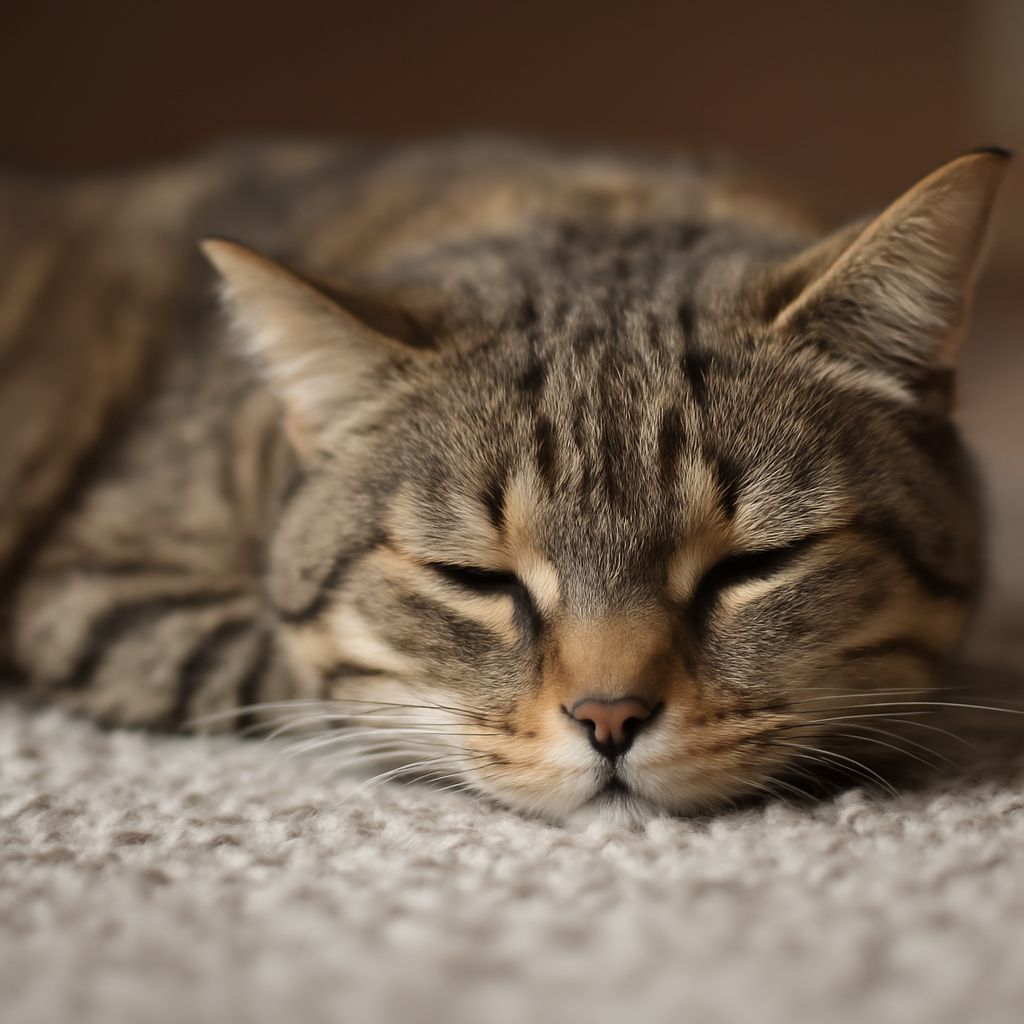
Imagine coming home after a long day, ready to unwind. As you settle into the evening routine, you notice your beloved feline friend is not their usual self. They’re lethargic, perhaps slightly uncomfortable, and you begin to worry if they’re experiencing constipation. You ask yourself, “What can I give my cat for constipation?” Home remedy for cat constipation could be a solution, but it’s essential to understand what options are safe and effective for improving your cat’s digestive health.
Understanding Cat Constipation
Signs and Symptoms
Recognizing the signs of cat constipation is crucial for timely intervention. Cats may show symptoms such as infrequent defecation, hard or small stools, and visible discomfort during bowel movements. If your cat is straining in the litter box or avoiding it altogether, these could be indicators of constipation.
Common Causes
Constipation in cats can stem from various causes, including dehydration, dietary issues, and lack of exercise. Hairballs, ingesting foreign objects, or certain medical conditions can also contribute to digestive difficulties. Understanding these factors is the first step in addressing and preventing constipation.
Home Remedies for Cat Constipation
Dietary Adjustments
A significant factor in managing constipation is diet. Increasing fiber intake through wet food or adding pumpkin puree to meals can help. Fiber helps in softening the stools and promotes regular bowel movements, making it a simple yet effective home remedy for cat constipation.
Hydration Tips
Ensuring your cat is adequately hydrated is vital. Encourage water intake by placing multiple water bowls around the home or investing in a pet water fountain. Wet cat food also contributes to their overall hydration and aids in preventing constipation.
Natural Supplements
There are natural supplements available that can assist in relieving constipation. Options such as fish oil or coconut oil can be mixed with food to promote a healthier digestive system. Always consult with a veterinarian before introducing new supplements to your cat’s diet to ensure they’re safe and suitable.
What Can You Give a Cat for Constipation?
Safe Over-the-Counter Solutions
There are over-the-counter solutions designed specifically for feline constipation. These may include gentle laxatives or stool softeners formulated for cats. However, it’s essential to use these products under veterinary guidance to avoid potential side effects or complications.
Veterinarian-Recommended Treatments
In some cases, consulting a veterinarian for expert advice and recommended treatments is necessary. A vet may suggest specific dietary changes, prescribe medication, or provide other professional treatments tailored to your cat’s needs.
Preventing Future Constipation in Cats
Regular Exercise
Regular exercise is crucial for maintaining a healthy digestive system. Engage your cat in play sessions to stimulate their body and prevent constipation. Activity helps in keeping their muscles toned and supports regular bowel movements.
Consistent Diet
Maintaining a consistent diet with the right balance of nutrients is key to preventing constipation. Avoid sudden changes in diet and ensure a mix of wet and dry food that meets your cat’s dietary needs. Consistency can help in regulating their digestive system.
Monitoring Health
Regular health check-ups are essential to monitor your cat’s overall well-being. Keeping an eye on their bathroom habits and consulting a vet if you notice any changes can prevent constipation from becoming a chronic issue.
Pro tips recap: For managing and preventing cat constipation, focus on a balanced diet with appropriate fiber, ensure hydration, and provide regular exercise. Always consult with a veterinarian before trying new treatments or supplements to ensure they’re safe for your feline friend.