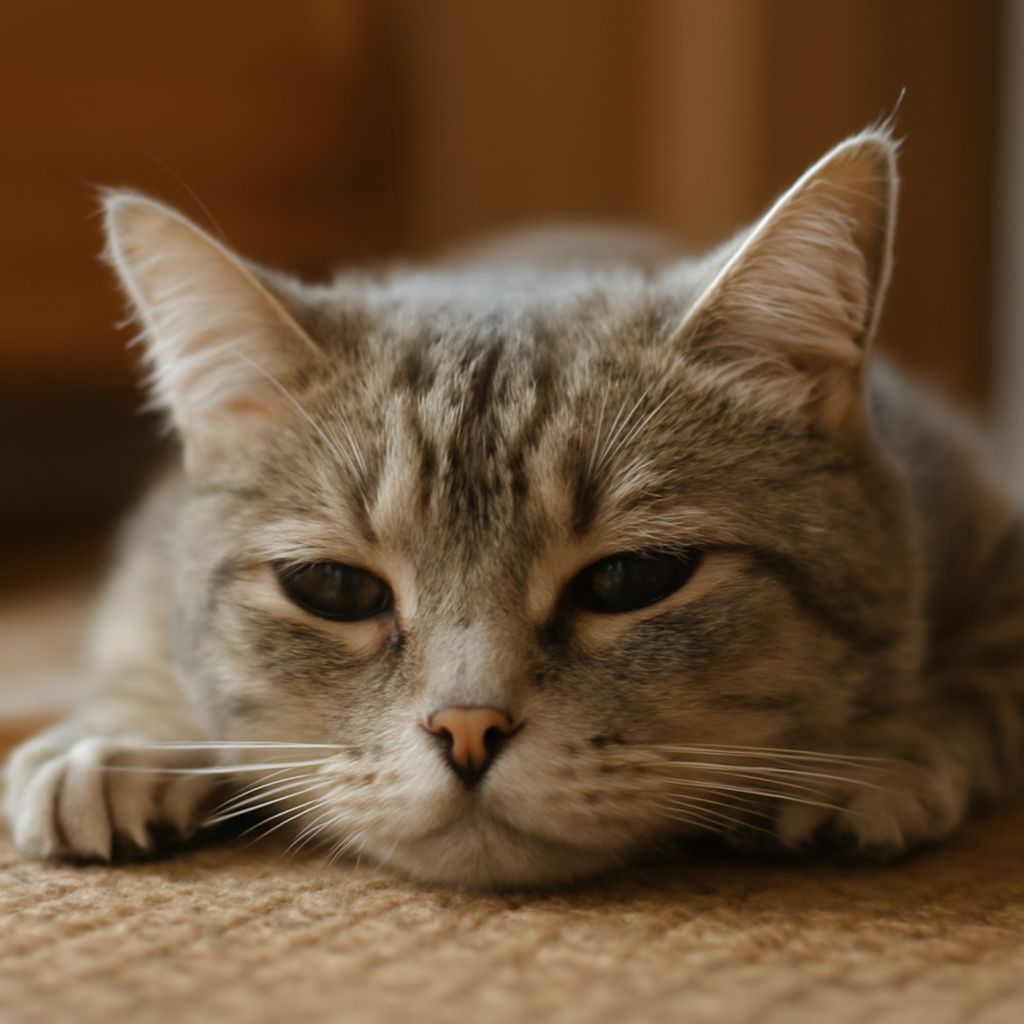
Imagine you’re lounging on your couch, enjoying a quiet evening with your feline companion purring softly beside you. Suddenly, you notice your cat’s breathing sounds a bit irregular, and there’s a slight wheeze. Your mind starts to race—can cats get pneumonia? You remember reading about the causes and symptoms of pneumonia in cats, but now that it’s a potential reality, it’s time to understand what this means for your furry friend.
Can Cats Get Pneumonia?
Yes, cats can indeed suffer from pneumonia. This condition, which involves inflammation of the lungs, can affect cats of any age or breed. In felines, pneumonia can be caused by various infectious agents like bacteria, viruses, or fungi. It’s crucial for cat owners to recognize early signs and understand that pneumonia is a serious condition that requires prompt attention and proper treatment to prevent severe health consequences.
Causes of Cat Pneumonia
Pneumonia in cats can be triggered by several factors, each involving different pathogens or circumstances. Bacterial infections are one of the most common causes, often resulting from organisms like Bordetella bronchiseptica or Pasteurella multocida. Viral infections, such as those caused by feline herpesvirus or feline calicivirus, can also lead to pneumonia.
Fungal infections, though less common, can cause pneumonia, especially in areas where specific fungi are endemic. Additionally, inhalation pneumonia can occur if a cat accidentally inhales food, vomit, or a foreign object, leading to lung inflammation. It’s important for cat owners to be aware of these potential causes to better safeguard their pets’ respiratory health.
Symptoms to Watch For
Recognizing the signs of pneumonia in cats is critical for early intervention. Key symptoms include persistent coughing, difficulty breathing, and nasal discharge. Affected cats may also exhibit lethargy, loss of appetite, and fever. Observing your cat’s behavior and noting any changes in their respiratory patterns can provide vital clues.
More subtle signs, such as an increased respiratory rate or a reluctance to play, can also indicate respiratory distress. If you notice your feline companion displaying these symptoms, consult your veterinarian promptly to ensure a thorough examination and accurate diagnosis.
Diagnosing Pneumonia in Cats
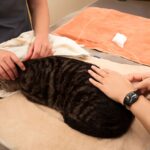
Diagnosing pneumonia in cats involves a combination of clinical evaluation and diagnostic testing. A veterinarian will perform a physical examination, listening to the cat’s lungs for abnormal sounds. They may recommend a chest X-ray to visualize the lungs and identify any areas of concern.
Additional tests, such as blood work or cultures from respiratory secretions, may be conducted to pinpoint the specific pathogen causing the pneumonia. Accurate diagnosis is essential to determine the most effective treatment plan for the affected feline.
Treatment Options for Cat Pneumonia
Treating pneumonia in cats typically involves addressing the underlying cause while providing supportive care. Antibiotics are commonly prescribed to combat bacterial infections, while antifungal medications are used for fungal-related pneumonia. If a virus is the culprit, supportive care is crucial to help the cat’s immune system fight off the infection.
Supportive treatments may include fluid therapy to prevent dehydration, oxygen therapy for severe cases, and nutritional support to ensure the cat maintains its strength. It’s important for cat owners to follow the veterinarian’s instructions carefully and continue the treatment regimen until the cat has fully recovered.
Preventing Pneumonia in Cats
Preventive measures can significantly reduce the risk of pneumonia in cats. Ensuring your cat is up to date with vaccinations can protect against certain viral infections that may lead to pneumonia. Regular veterinary check-ups are vital to monitor your cat’s overall health and catch any potential issues early.
Maintaining a clean and stress-free environment, along with a nutritious diet, can boost your cat’s immune system, helping it fend off infections. Additionally, being vigilant about choking hazards and promptly addressing any respiratory issues can prevent inhalation pneumonia. By taking these preventive steps, you can help protect your cat from the risks associated with pneumonia.
Key takeaways: Cats can indeed get pneumonia, with symptoms like coughing and difficulty breathing signaling the need for veterinary attention. Understanding the causes, symptoms, and treatments can ensure your cat receives the care it needs. By following preventive measures, you can help safeguard your feline friend’s respiratory health.