Imagine this: your beloved feline companion has been strutting around the house as usual, chasing after imaginary prey and curling up in sunbeams, all the while showing no signs of discomfort. But then you notice your cat not pooping but acting normal. How long can they go without pooping before you should be concerned? Understanding your cat’s bowel habits and knowing when to take action is crucial to their health and well-being.
If your cat hasn’t pooped in 3 or 4 days, it’s normal to worry. While it might be easy to dismiss this as a minor issue if your pet seems fine otherwise, feline constipation can be an underlying sign of a health problem. This article will guide you through recognizing issues and maintaining your cat’s digestive health.
Understanding Cat Constipation
Normal Feline Bowel Movements
Most cats have a regular bowel movement every day, although some may go every other day. The frequency can depend on various factors, including age, diet, and lifestyle. Younger cats might have more frequent bowel movements compared to older felines. If your cat hasn’t pooped for three days, it could indicate constipation, especially if there’s a sudden change in their usual routine.
Factors Affecting Cat Pooping Frequency
Several elements can influence how often your cat poops. Dietary changes, hydration levels, and even stress can lead to decreased bowel movements. Cats that consume low fiber diets or don’t drink enough water are more prone to constipation. Additionally, cats that are less active might also experience less frequent bowel activity.
How Long Can Cats Go Without Pooping?
Signs of Constipation in Cats
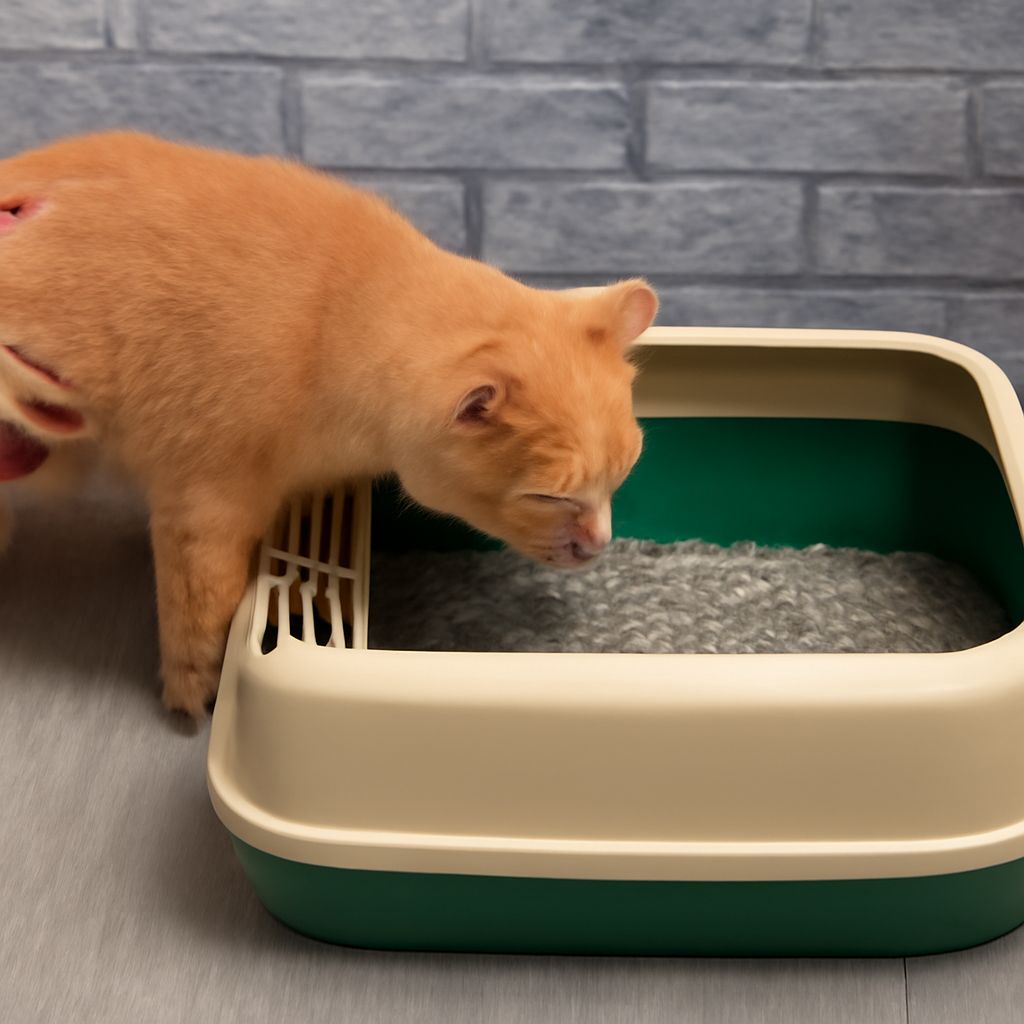
When considering how long your cat can go without pooping, it’s important to recognize the signs of constipation. Common symptoms include straining in the litter box, producing small, hard stools, or not pooping for several days. Behavioral changes such as lethargy or loss of appetite can also indicate constipation.
When to Worry About Your Cat Not Pooping
If your cat has not had a bowel movement in three or four days, it might be time to take action. Continuously straining without producing stool or vocalizing while attempting to poop can be signs of distress. While some variation in bowel habits is normal, prolonged absence of pooping can lead to serious health issues.
What to Do If Your Cat Hasn’t Pooped in 3 or 4 Days
Dietary Changes to Promote Regularity
To help your cat poop more regularly, consider adjusting their diet. Increase fiber intake by adding a small amount of canned pumpkin to their meals. Fiber supplements or a switch to high-fiber cat food can also be beneficial. Ensure your cat’s diet is balanced and rich in nutrients to maintain healthy digestion.
Home Remedies for Cat Constipation
There are several home remedies you might try before heading to the vet. Encourage your cat to drink more water by providing fresh water sources and using a pet water fountain. Gentle exercise, like interactive playtime, can stimulate bowel movements. Herbal remedies such as slippery elm bark might also aid in soothing the digestive tract.
When to Consult a Veterinarian
If home remedies do not resolve the issue, or if your cat shows signs of severe discomfort, consult a veterinarian. Persistent constipation might require medical intervention or tests to rule out underlying health problems. A vet can offer professional advice and treatment options, including laxatives or enemas if needed.
Preventing Constipation in Cats
Importance of Hydration
Keeping your cat well-hydrated is vital for preventing constipation. Cats often prefer running water, so a circulating water fountain can encourage them to drink more. Wet cat food is another way to increase their water intake, promoting healthier digestion and preventing stool from becoming too dry and hard to pass.
Tips for Maintaining Regular Bowel Movements
Regular exercise is key for maintaining a healthy digestive system. Engage your cat in daily play to help them stay active. Monitor their diet to ensure it includes enough fiber and that they are not consuming too many treats or table scraps. Regular vet check-ups can also help catch any potential issues early, keeping your feline friend healthy and happy.
Safety recap: If your cat hasn’t pooped in several days despite dietary and hydration adjustments, seek veterinary advice. Tools like fiber supplements should only be used under professional guidance to ensure your pet’s safety.