
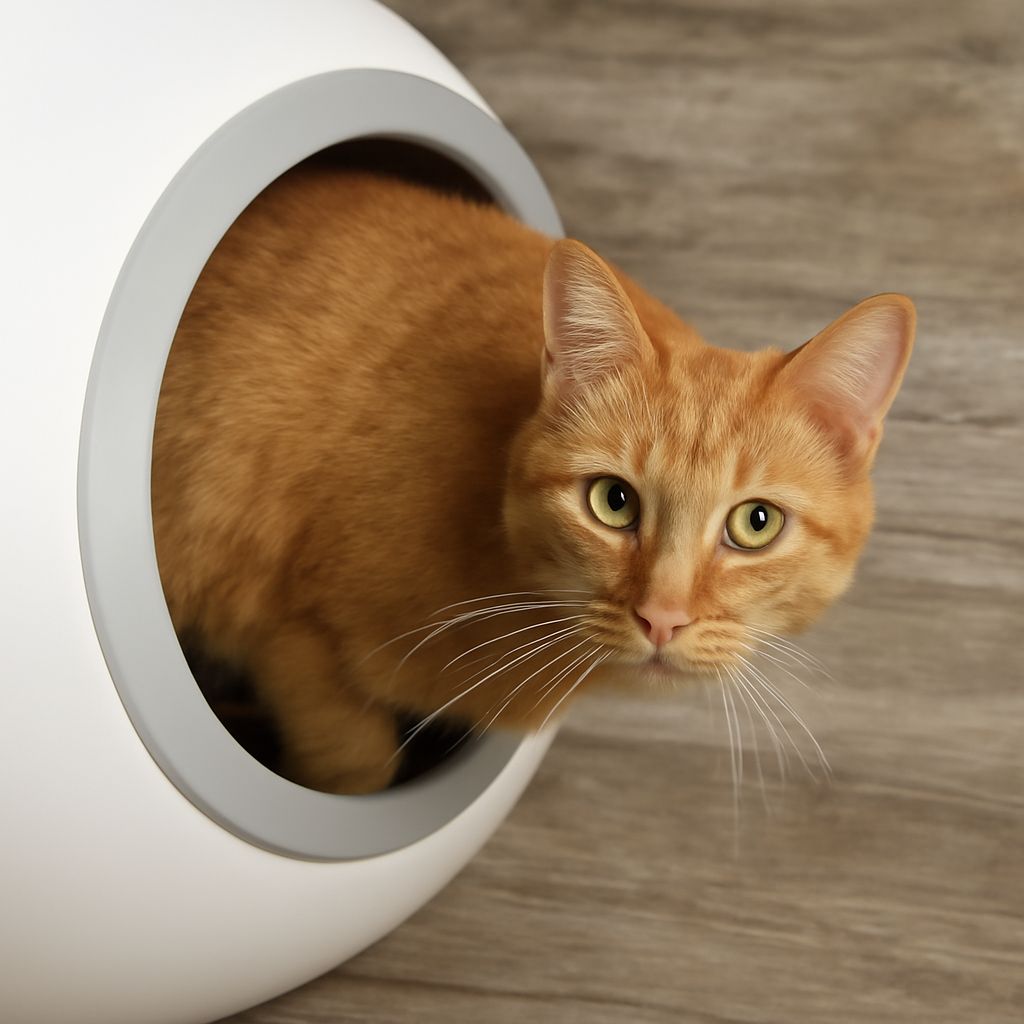
You notice your beloved feline companion, usually so lively and sprightly, is behaving oddly. He seems to be constantly straining in his litter box, yet nothing is happening. You recall hearing about urinary blockage in male cats and wonder if this could be the issue. Understanding the symptoms of cat urinary blockage could be crucial in ensuring your pet receives timely care. Often, these signs are subtle at first, but knowing what to look out for can make all the difference.
Introduction to Urinary Blockage in Cats
Urinary blockage in cats, particularly in males, is a critical condition that requires immediate attention. It occurs when there is an obstruction preventing urine from passing through the urethra. This issue is most common in male cats due to their narrower urethras, but female cats can also be affected. Recognizing the symptoms of urinary blockage early can prevent severe health complications and ensure your cat receives the necessary treatment.
Common Cat Urinary Blockage Symptoms
The symptoms of urinary blockage in cats can vary, but some are common across most cases. Your feline friend might exhibit signs of discomfort while attempting to urinate, such as frequent visits to the litter box without producing much or any urine. You might notice your cat licking its genital area excessively or vocalizing in pain due to the obstruction. In severe cases, a complete inability to urinate, lethargy, vomiting, and appetite loss may occur. These symptoms should be taken seriously and prompt a visit to the veterinarian.
Causes of Male Cat Urinary Blockage
There are several potential causes of urinary blockage in male cats. One of the most common is the formation of urinary crystals or stones, which can obstruct the urethra. Additionally, urethral plugs, which consist of a mix of crystals, cells, and mucus, can cause blockage. Inflammatory conditions, like feline idiopathic cystitis, can lead to swelling and contribute to blockage. Finally, anatomical issues or tumors, though less common, can also be culprits.
Treatment Options for Cat Blockage
Treating urinary blockage in cats usually requires immediate veterinary intervention. The primary goal is to relieve the obstruction and stabilize the cat. This often involves catheterization to unblock the urethra and allow urine to flow. In some cases, surgery may be necessary to remove obstructions or correct anatomical issues. Post-treatment care could include dietary changes to prevent crystal formation, medications to manage pain and inflammation, and increased water intake to support urinary health.
Preventing Urinary Blockage in Male Cats
Preventing urinary blockage in male cats involves several strategies. Diet plays a significant role; feeding your cat a high-quality, balanced diet that promotes urinary tract health can reduce the risk of crystal formation. Encouraging your cat to drink more water is also essential, as it helps dilute urine and prevent blockages. Providing plenty of opportunities for exercise can help maintain a healthy weight, reducing the risk of developing bladder issues. Regular veterinary check-ups can catch any early signs of urinary problems, allowing for prompt intervention.
Bottom line: Being aware of the symptoms and causes of urinary blockage in cats, especially in males, can be life-saving. Early intervention and preventative care are key to maintaining your cat’s urinary health. Always consult with a veterinarian for the best course of action if you suspect a blockage.